
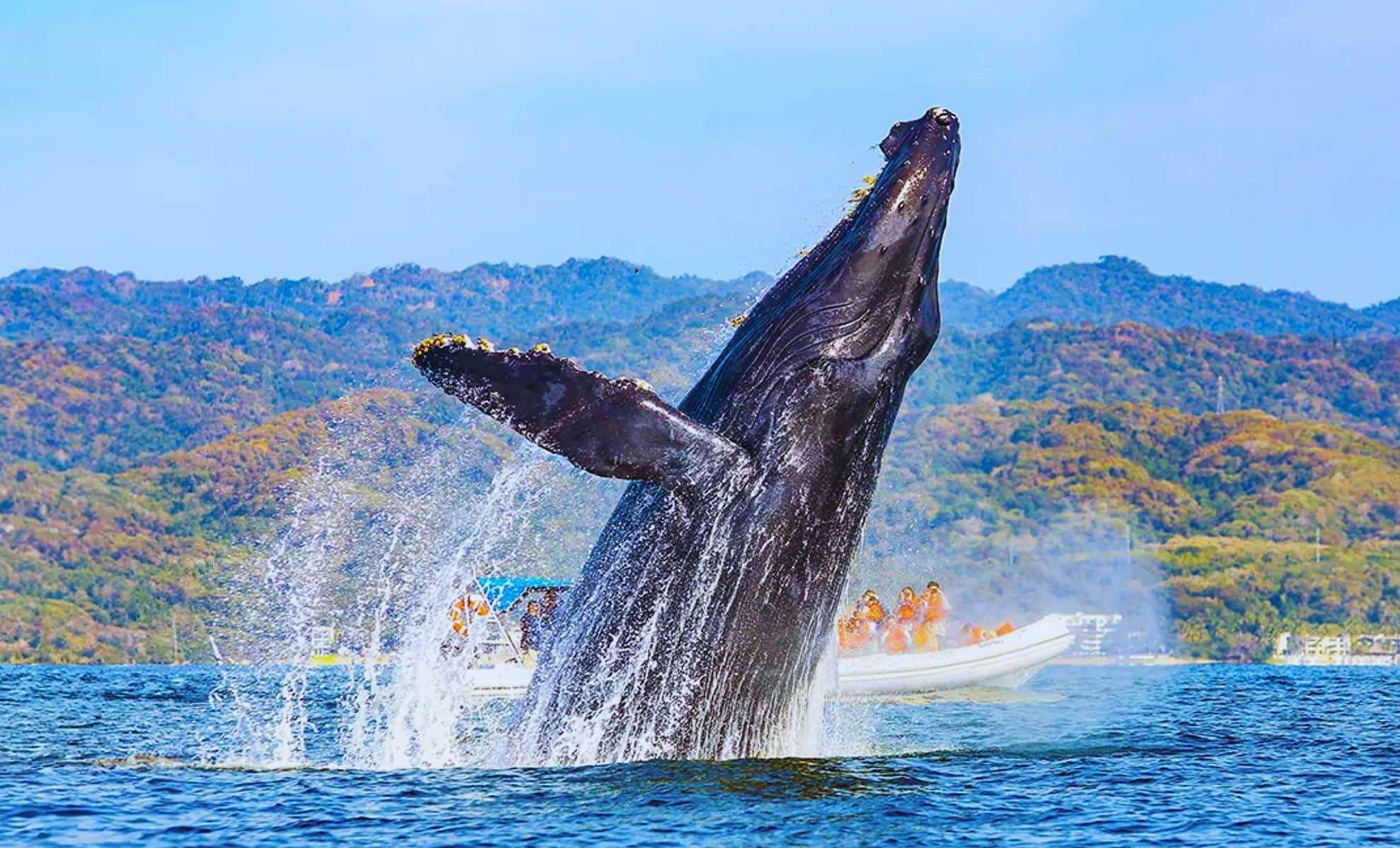
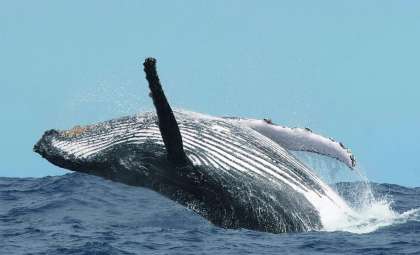
A male humpback whale has recently completed an astounding migration exceeding 8,000 miles (about 13,000 km), one of the longest journeys ever documented for its species. This remarkable expedition, tracked by marine researchers, draws attention to how climate shifts may be influencing whale behavior.
A Remarkable Ocean Trek
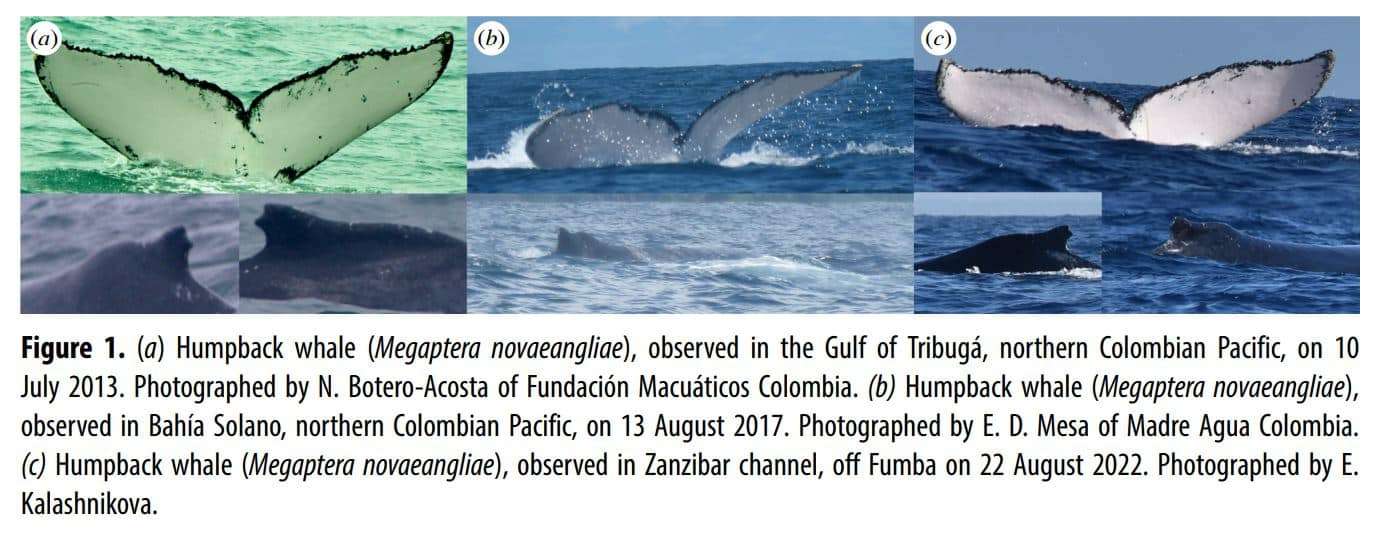
The whale’s extensive voyage started in 2017 when it was initially observed near the Colombian coastline in the Pacific Ocean. Repeated sightings of the whale in these waters over several years set the stage for an unexpected migration in 2022. It was later seen near Zanzibar, situated off Tanzania’s coast in the Indian Ocean, around 13,000 kilometers from its first location—a feat that marks a new distance record for humpbacks.
Unraveling the Motivation Behind the Migration
Researchers such as Ekaterina Kalashnikova from the Tanzanian Cetacean Program are intrigued by this uncommon movement. Kalashnikova describes the migration as "extraordinarily impressive and rare, even for this migratory species." Environmental changes, especially fluctuations in food availability, seem to have prompted this epic trek.

Humpback whales depend mainly on krill—tiny, shrimp-like organisms—for nourishment. Rising ocean temperatures have disrupted krill populations, forcing whales to travel farther in search of sustenance. This extended journey might be a direct response to such ecological pressures.
Possible Reasons for the Migration Include:
- Seeking new feeding areas following krill depletion.
- Exploring alternative breeding sites due to shifts in population recovery.
- Adjusting migratory routes as competition among males increases with a growing whale population.
Impacts of a Warming Ocean
The altered migration paths of humpback whales reflect urgent responses to swiftly changing climatic influences. Typically known for their seasonal movements between temperate feeding zones and tropical breeding grounds, these whales now modify their routes amid dwindling krill supplies tied to climate trends.
Such shifts may reveal broader disruption within marine ecosystems. Rising sea temperatures render some feeding habitats less bountiful, compelling whales to extend their search for vital resources.
Climate-Driven Factors Affecting Migration:
- Habitat transformations caused by increased ocean temperatures.
- Migration pattern changes aimed at tracking available food like krill.
- Influences of extreme weather and climate events on established routes.
Adapting to an Evolving Marine Environment
Adjustments in behavior aren’t limited to humpback whales; other cetaceans, including dolphins and various whale species, also explore new areas as environments evolve. These adaptations, however, may heighten the strain on populations faced with rapidly changing and often hostile conditions.
Dr. Kalashnikova adds, "the precise causes remain uncertain, but global climatic shifts, increased frequency of extreme environmental episodes, and species-specific evolutionary traits all likely contribute." Consequently, this humpback’s prolonged migration likely results from a complex mix of factors with climate change at the forefront.










0 comments
Sign in to Comment