
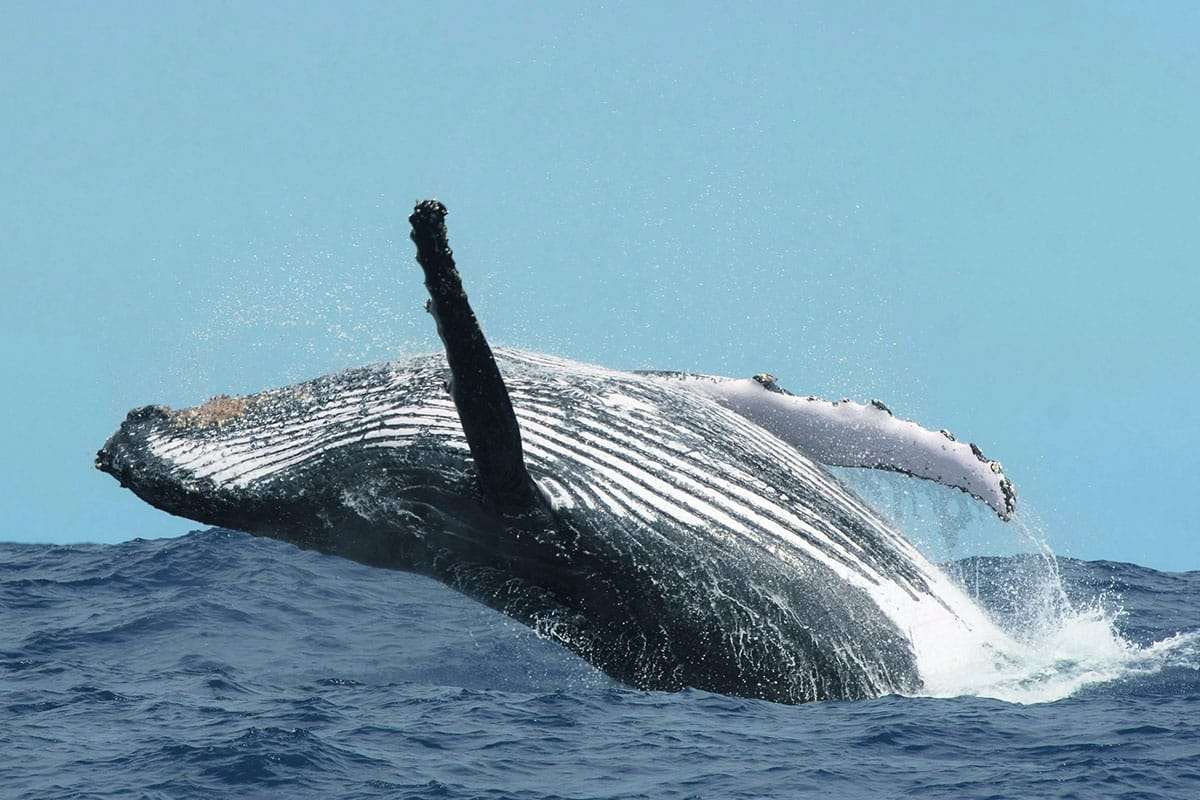
Réunion Island, celebrated for its tropical charm in the Indian Ocean, is a prime destination for whale aficionados. Each year, humpback whales use its warm coastal waters as a breeding ground during migration. In 2023 alone, an impressive count of 1,156 whales was recorded close to the island, underlining its vital role for these majestic creatures.
The whale-watching sector on Réunion Island has expanded rapidly, now featuring around 80 tour companies. While this growth has strengthened the local economy, it has also introduced environmental concerns.
Typical whale-watching excursions include:

- Guided boat trips led by experts
- Opportunities to observe whales underwater
- Informative sessions on marine protection
- Photo opportunities with these stunning animals
From intrigue to alarm: The story of Moustache
Among the whales frequenting Réunion’s seas, Moustache stands out and has endeared herself to residents and visitors alike. Identified by her unique tail and pale nodules, Moustache has been regularly observed for several months. The Centre d’étude et de découverte des tortues marines (CEDTM) has been tracking her movements and behaviors closely.
Initially driven by curiosity, Moustache approached shores, much to the delight of spectators. Yet as time passed, a concerning change emerged. Scientists at CEDTM noted an increase in aggressive behaviors, signaling that frequent human contact may be affecting her wellbeing.
According to Charline Fisseau from CEDTM, Moustache has been approached up to 30 or 40 times daily by enthusiastic tourists, an intensity of interaction that seems to have altered her mood.
A whale asserting its space
Moustache’s behavior began to resemble that of a marine mammal defending itself. Reports include acts of intimidation, defensive slashing, and even aggressive charges toward swimmers. Her pectoral fin has been seen making sweeping, saber-like strikes and forceful lunges at humans in the water.
These displays reflect her efforts to set boundaries and guard her personal space. Marine experts believe that the persistent human presence has left Moustache stressed, prompting her heightened defensiveness.
This scenario reflects broader issues of human-induced wildlife disturbances, emphasizing the fragile balance between tourism and ecological preservation.
BehaviorInterpretationFin slashingWarning signalChargingAttempt to create distanceAvoidanceStress response
Finding equilibrium between tourism and marine preservation
Moustache’s situation has prompted vital discussions regarding the importance of ethical whale-watching standards. Though encounters with whales inherently carry some risk, this case suggests that many tourists may underestimate or disregard those dangers.
To better safeguard marine animals, experts propose strengthened policies that could involve:
- Restricting the number of whale-watching trips each day
- Enforcing strict protocols for in-water interactions
- Requiring comprehensive training for guides and operators
- Designating specific zones for whale observation to limit disturbances
While current tours educate visitors about respectful conduct, effectively monitoring and enforcing these measures in open sea conditions remains difficult. A multifaceted strategy blending education, regulation, and local participation may be essential for safeguarding Moustache and other whales.
As Réunion Island navigates the challenge of balancing tourism with conservation, Moustache’s experience is a powerful reminder of the duty we bear to protect and honor the marine environments we cherish. Ensuring a sustainable future for whale watching here requires fostering coexistence between people and these extraordinary ocean giants.
- Categories:
- Science














0 comments
Sign in to Comment