
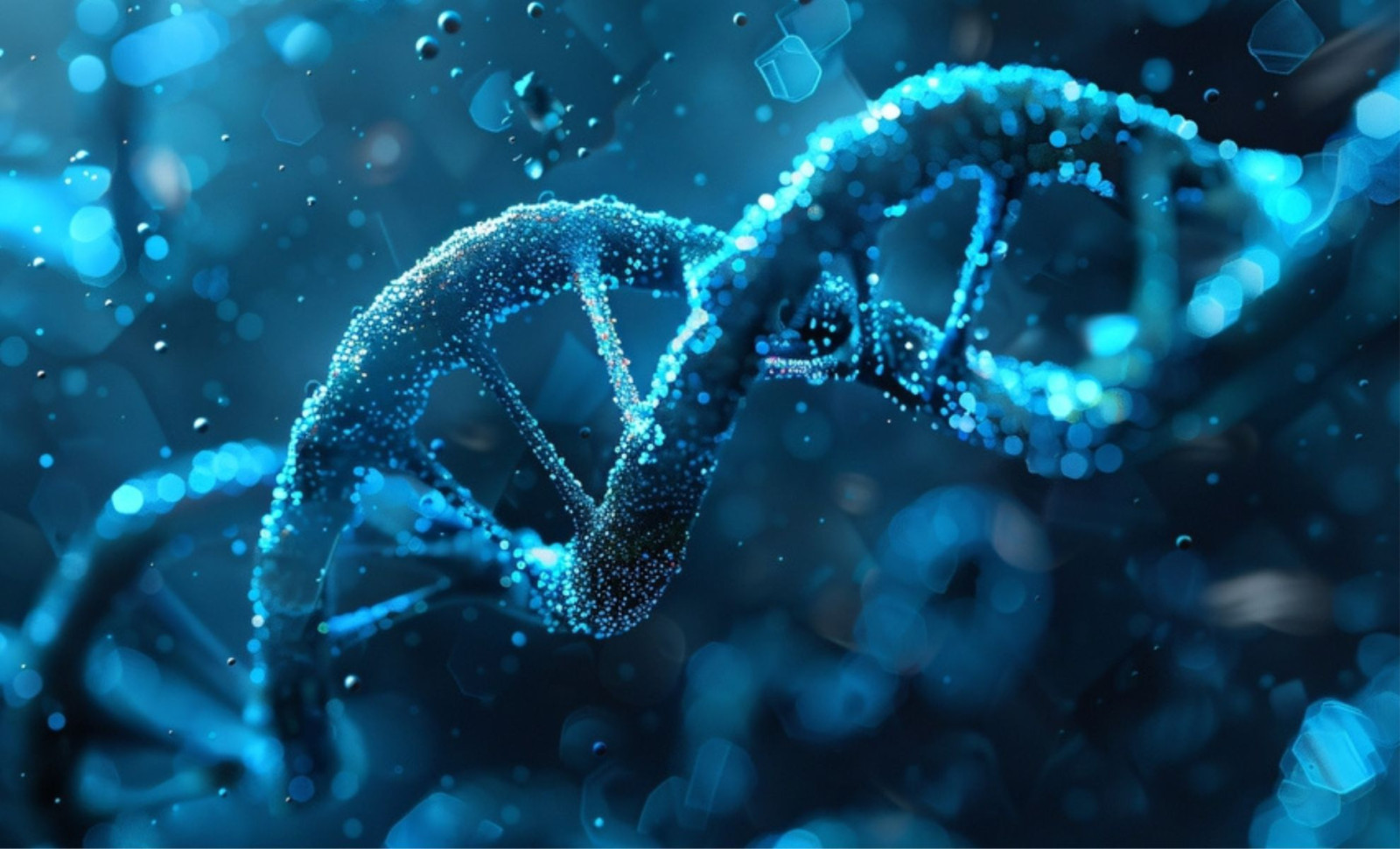
The core of aging lies in molecular changes. Alterations in chemical modifications on the genome gradually diminish their accuracy, impairing cellular performance. Recent studies indicate these changes might be partially reversed, effectively making cells biologically younger.
This method, termed reprogramming-induced rejuvenation (RIR), is inspired by a landmark 2006 finding where four specific proteins introduced to mature cells reset them into a stem-cell-like state.
Referred to as the Yamanaka factors, these proteins—Oct3/4, Sox2, Klf4, and c-Myc—when combined, remove the cell’s differentiated identity. Current research explores whether a controlled, partial activation of this process can rewind cellular age without erasing cell identity altogether.

How the Epigenome Tracks and Reflects Aging
Understanding the importance of this approach requires insight into the epigenome. This consists of chemical additions around DNA that govern gene activity—deciding when genes should be turned on or off. The National Human Genome Research Institute notes that these marks vary across cell types and are inherited during cell division.
As organisms age, the precision of this marking deteriorates, causing disarray in cellular homeostasis. Scientists have developed epigenetic clocks that analyze DNA methylation patterns to estimate a cell’s biological age, which can differ from its actual age.
A vital insight is that complete epigenetic resets happen naturally in early embryonic stages and during full cellular reprogramming. Harnessing a partial version of this reset could make cells younger while preserving their function.
Evidence of Aging Reversal in Mice Through Partial Reprogramming
Substantial in vivo findings come from mouse research highlighted in a 2024 Nature Communications article by Harvard Medical School scientists. These mice were genetically modified to turn on Yamanaka factors via a drug. By applying the drug intermittently rather than continuously, researchers prevented full loss of cell identity while briefly activating rejuvenation.
In models of accelerated aging, this intermittent treatment extended median lifespan by 33%, lowered mitochondrial oxidative stress, and restored youthful chromatin patterns. Another experiment in normal mice showed gene expression, lipid composition, and metabolism shifted to more youthful states, accompanied by enhanced skin repair.
A further study using gene therapy to deliver OSK factors—excluding c-Myc to reduce tumor risk—to old mice nearly doubled their remaining lifespan and improved frailty indicators.
Targeted delivery also yielded results: applying OSK factors to retinal nerve cells in aged and glaucoma-affected mice helped recover some vision. Continuous treatment in eyes did not result in tumor formation over ten to eighteen months, unlike whole-body applications.
Chemical Reprogramming: A Gene-Free Alternative
Gene delivery throughout the body is technically challenging and prolonged expression of Yamanaka factors carries cancer risks. Continuous OSKM expression in all tissues has caused organ failure and tumors in mice.
These challenges have led to interest in chemical reprogramming, which replaces genetic factors with small molecules. A two-compound treatment increased lifespan in C. elegans by 42.1%, reduced DNA damage, and improved several aging-related epigenetic markers, as detailed in the Nature Communications review. Partial chemical reprogramming of mouse skin cells using a cocktail of seven chemicals also triggered rejuvenation-associated changes, including enhanced mitochondrial activity and decreased aging metabolites, with epigenetic clocks showing a noticeable reduction in biological age.
An intriguing difference lies in the p53 pathway: genetic factor reprogramming suppresses p53—a key cell cycle controller and tumor suppressor—whereas the chemical method activates it. The safety consequences of this difference are still under investigation.
Risks and Unresolved Challenges
The Nature Communications review openly discusses hurdles. Even one fully reprogrammed cell in an organism may cause teratoma growth. Reprogramming can remove epigenetic brakes that silence oncogenes, and induced pluripotent stem cell procedures tend to select for cells with mutations in genes controlling cell death and division. While partial reprogramming may not destabilize individual cells, it might increase overall population risk.
Efficiency is another obstacle: under current methods, only around 25% of cultured cells successfully undergo partial reprogramming. Bridging the gap between laboratory success and safe application in living organisms remains a major goal.
Moreover, questions linger about what epigenetic clocks truly measure. Many standard clocks correlate with chronological age but may reflect both adaptive and detrimental changes. Newer clocks focusing on CpG sites causally linked to aging could provide a clearer view on whether treatments genuinely repair cellular damage or just alter markers without improving function.
- Categories:
- Science










0 comments
Sign in to Comment