
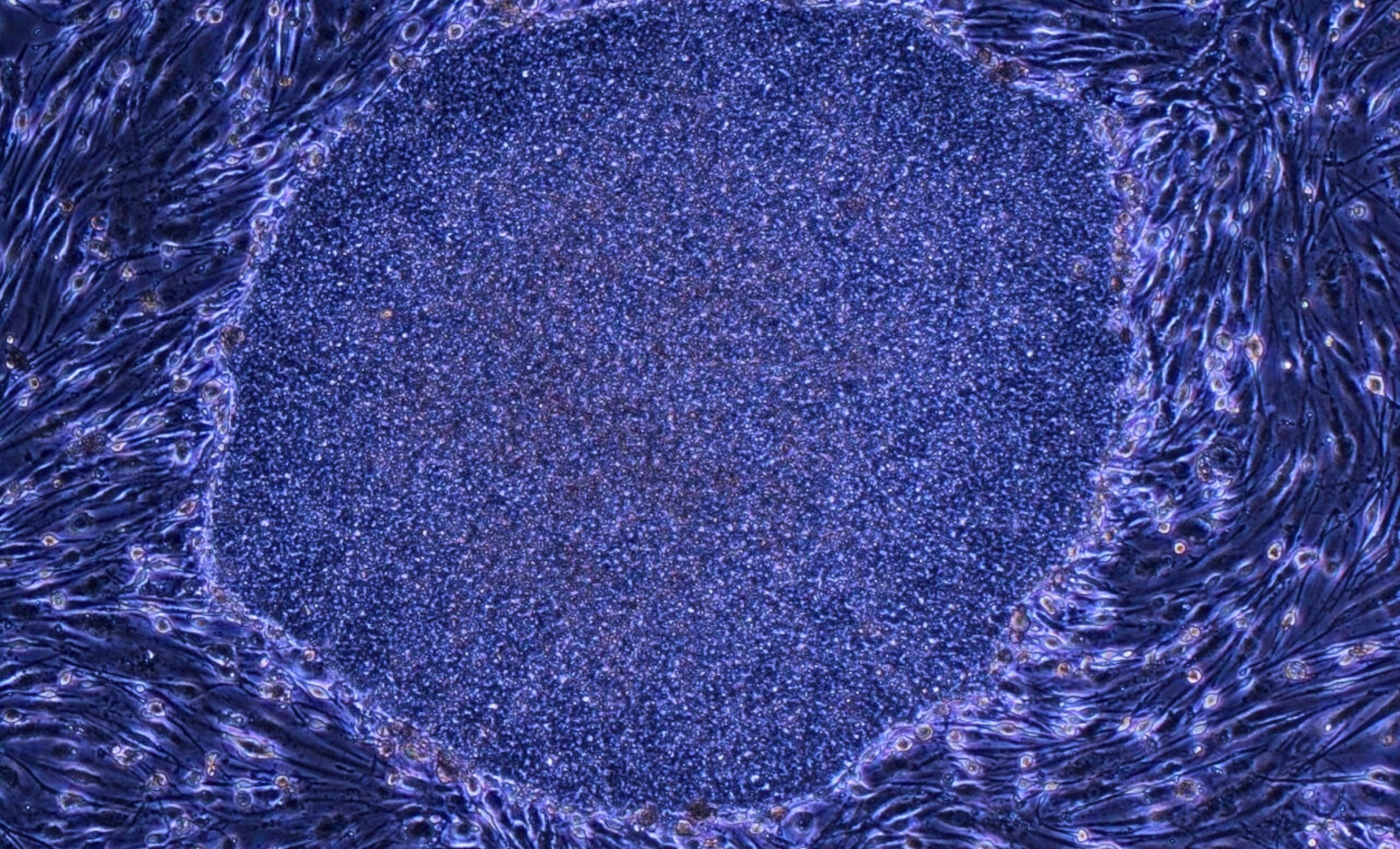
Japan has endorsed two innovative treatments originating from the same foundational laboratory technique but targeting vastly different organs. One therapy is applied to the heart’s exterior, while the other is administered deep within the brain. These interventions represent the first globally authorized medical products derived from reprogrammed human cells, marking a significant step in the clinical adoption of iPS cell technology after extensive research and validation.
The regulatory clearance is conditional and temporary, issued by Japan’s Ministry of Health, Labour, and Welfare. This means ongoing evaluation of safety and efficacy will continue post-approval. Essentially, iPS cell-based treatments have entered medical practice but remain under rigorous observation.
The development narrative prominently features Shinya Yamanaka from Kyoto University, a pioneering figure in the field. As quoted by WIRED, Yamanaka expressed, “We are very pleased to have taken a major step toward social implementation on the 20th anniversary of the announcement of mouse iPS cells.” He emphasized the importance of continued verification of safety and effectiveness across more cases to firmly establish these therapies.

Different Treatments, One Cellular Origin
Both therapies originate from induced pluripotent stem cells but address distinct diseases with unique delivery methods. ReHeart, created by Cuorips, targets severe heart failure stemming from ischemic cardiomyopathy. Amshepli, also known as laguneprocel, was developed by Sumitomo Pharma and RACTHERA for patients with Parkinson’s disease who have inadequate symptom control through current medications including levodopa.
The term reprogrammed human cells refers to adult cells converted to a versatile state, allowing them to differentiate into various cell types. This adaptability makes iPS cells a cornerstone of regenerative medicine and stem cell therapies, now moving from experimental research to approved clinical treatments.
Japan’s long-standing infrastructure plays a crucial role in these advancements. The ecosystem integrates academic research centers, production facilities, clinical hospitals, and institutions like the Kyoto University iPS Cell Research Foundation, which supports the provision of clinical-grade cell stocks for therapeutic development. This robust framework partly explains why these first global approvals originated in Japan.
Heart Failure Therapy Offers Hope to Patients with Limited Options
ReHeart addresses a critical unmet need. Individuals suffering from advanced heart failure who do not sufficiently respond to standard care face dwindling choices such as heart transplants or mechanical devices, which are constrained by donor shortages, age limits, infection risks, and long-term complications from invasive equipment.
The therapy does not replace the heart but involves surgically placing three sheets of cardiomyocytes derived from iPS cells onto the heart's surface. These cells are expected to secrete cytokines that encourage angiogenesis and aid in repairing ischemic tissue through a paracrine effect, thereby supporting heart muscle recovery.
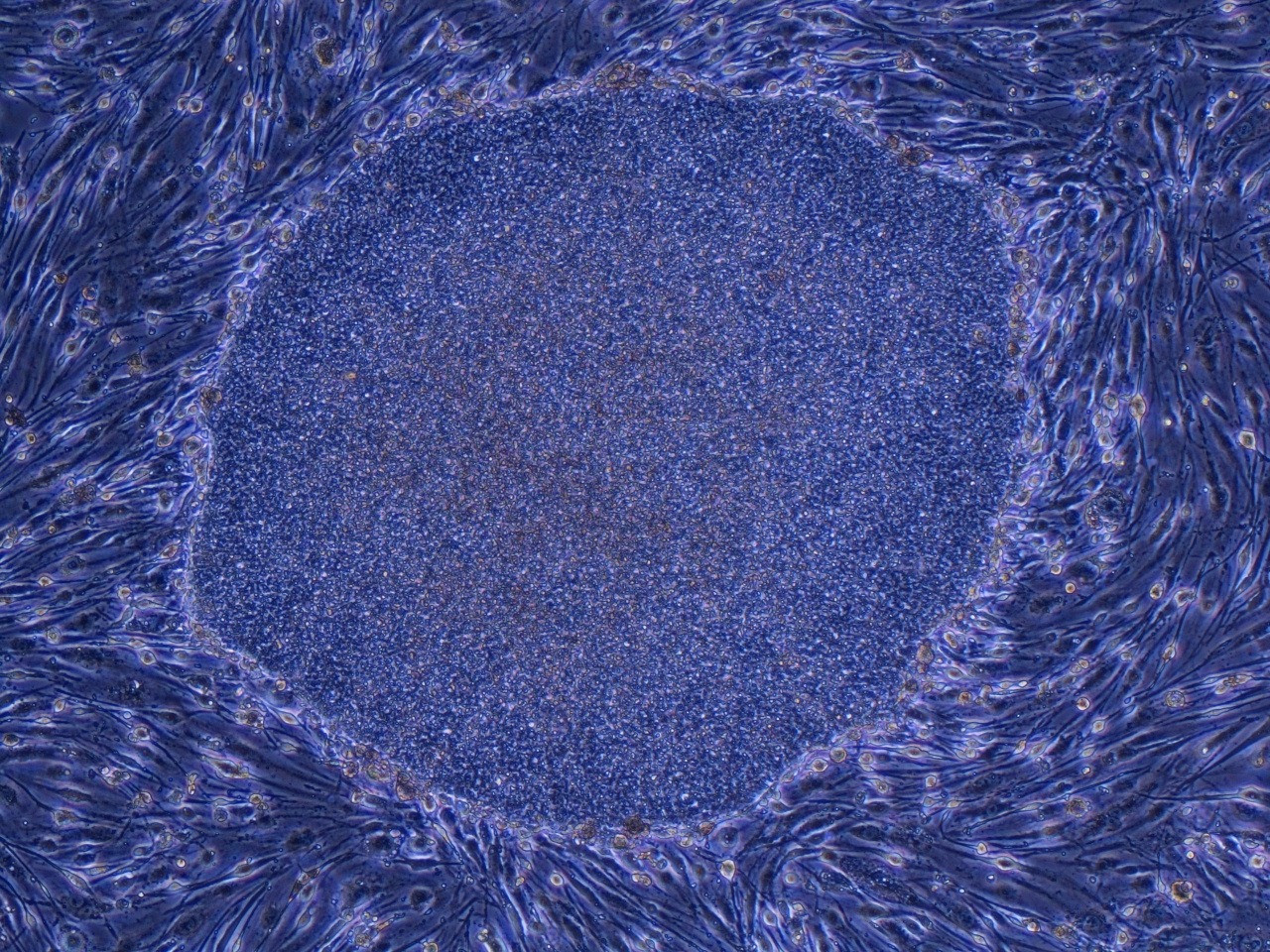
Though initial studies involved a small patient group, findings were promising enough for regulatory progression. In a multicenter trial with eight patients, half exhibited signs of improvement, including over a 10% increase in peak VO2 at one year following transplantation. Japan plans a post-approval study involving 75 participants, with commercial availability anticipated by fall 2026.
Cuorips emphasizes its pioneering role on its website, stating a mission to advance medicine through research and production centered on the world’s first iPS cell-derived cardiomyocyte sheets. This messaging reflects the broader narrative: the approval is a groundbreaking step, not a final solution, marking the initial commercial introduction of heart failure treatment based on iPS cell technology.
Parkinson’s Treatment Directly Targets Brain Cells
The other therapy, Amshepli, tackles Parkinson’s disease, which causes progressive loss of dopamine-producing neurons, leading to motor impairments like tremors and stiffness. Existing drugs alleviate symptoms but cannot restore lost neurons, which this treatment attempts by introducing new progenitor cells directly into the brain.
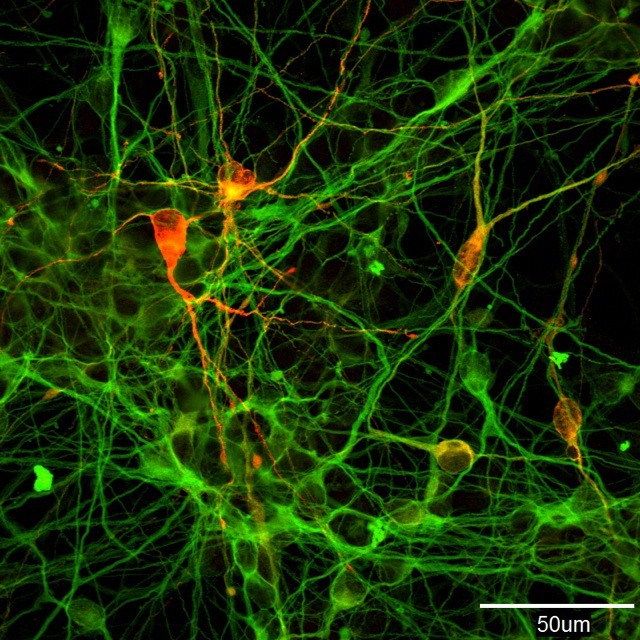
The procedure involves stereotactic brain surgery, where surgeons create small skull openings to administer cell injections into both brain hemispheres through multiple precise pathways. In a trial led by physicians at Kyoto University Hospital, four out of six assessable patients demonstrated motor function improvement after 24 months, as measured by MDS-UPDRS Part III scores, with graft survival confirmed in all participants.
These encouraging outcomes supported restricted clinical use, with researchers cautioning against overstating the results. Jun Takahashi, CiRA’s director and lead of the Parkinson’s study, said: “The results of the deliberations are a major step forward, but even if approval is granted, that is not the goal, but only the beginning of new medicine.” This perspective aligns with Japan’s regulatory approach, which permits commercialization amid ongoing scientific scrutiny.
Japan’s health minister also highlighted the national significance of the approval. During a press briefing quoted by WIRED, Kenichiro Ueno remarked, “I am very pleased that a therapeutic product from Japan based on Professor Yamanaka’s iPS cells has been put into practical use for the first time in the world.” This statement underscores the milestone’s blend of innovation, national pride, and a breakthrough in regenerative therapies that is attracting wide attention.
Conditional Approval Marks Beginning of Wider Availability
Although authorized, these treatments are not immediately accessible to all eligible patients. Further steps involving insurance coverage and collection of post-market data are necessary before broad clinical application can occur. Thus, this approval represents the controlled commercial debut of iPS cell therapies rather than their final destination.
Two decades after the initial isolation of mouse iPS cells, Japan now leads with approved therapies derived from reprogrammed human cells targeting heart failure and Parkinson’s disease, both requiring continued long-term evaluation under conditional approval protocols.
- Categories:
- Science







0 comments
Sign in to Comment