

Traditionally, aging has been seen as a steady process unfolding through genetics, environment, and the passage of time. However, recent molecular biology research suggests that aging might occur in abrupt phases rather than through a slow, continuous decline.
A comprehensive multi-omics investigation has uncovered two distinct age intervals where physiological changes accelerate dramatically. These findings indicate that aging results not only from gradual accumulation but also from sudden disruptions, with important consequences for measuring biological age and adapting medical screening and prevention during middle and later life stages.
Biological Aging Shows Sharp Transition Points
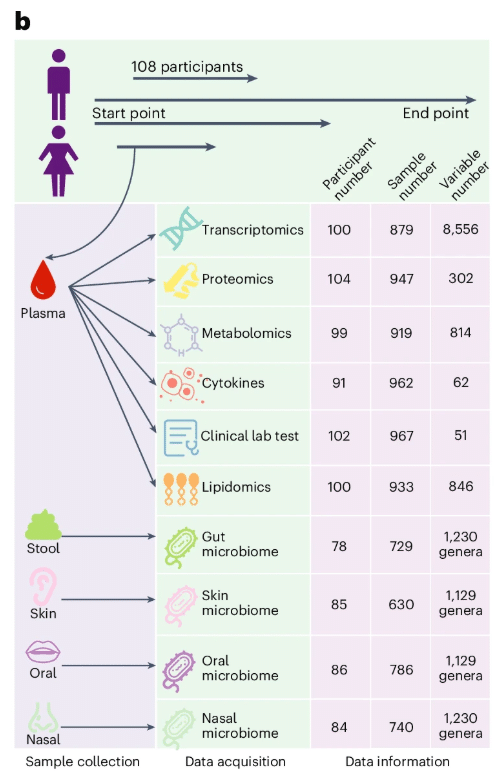
Researchers at Stanford School of Medicine examined over 135,000 biological markers in 108 participants monitored longitudinally. Led by Dr. Michael Snyder, head of genetics, the study revealed that more than 80 percent of aging-related molecules exhibited non-linear changes. Instead of a steady progression, these molecular patterns shifted abruptly at precisely two ages: 44 and 60.

The study, published in Nature Aging, utilized datasets spanning metabolomics, proteomics, and the microbiome. It uncovered significant alterations in cardiovascular, immune, and metabolic pathways coinciding with these age brackets. Among the affected processes were lipid metabolism and the body's handling of substances like caffeine and alcohol, as well as biomarkers linked with heart disease.
By gathering biological samples at multiple time points, researchers captured time-sensitive variations. Individuals in their 40s demonstrated detectable changes in systems governing muscle upkeep, stress response, and organ health. Those entering their 60s showed shifts in immune regulation, kidney function, and indicators of chronic inflammation.
Co-author Dr. Xiaotao Shen noted a concentration of molecular changes tightly clustered around these two ages, contrasting with smoother patterns at other times. This suggests that biological aging might progress through specific volatile phases rather than gradually.
The Microbiome’s Integral Role
The research highlighted the human microbiome, a complex community of microorganisms mainly residing in the gut, as a key element linked to these age-related transitions. Changes in microbiome composition were closely associated with both critical age points, affecting fundamental bodily functions like nutrient uptake, immune activity, and neurochemical communication.
The observed parallel shifts in microbial populations and systemic molecular markers strengthen the idea that the microbiome plays a fundamental role in modulating aging. Imbalances in these microbial communities have been previously connected to cognitive decline, inflammation, and metabolic disorders.
While causality was not established, the simultaneous shifts across molecular and microbial systems imply intricate interconnections driving aging dynamics.
Midlife Behavior and Biology Intertwined
The team also explored how lifestyle factors might overlap with or prompt these biological shift points. Dr. Snyder highlighted behaviors commonly increasing during midlife—such as elevated alcohol consumption and prolonged stress—as potential drivers of these physiological disruptions. "The decline in alcohol metabolism could be linked to greater midlife intake," he mentioned earlier.
These concepts are still being studied, but previous research has tied chronic stress and poor sleep to worsening cardiovascular and immune outcomes. The Stanford findings correlate with typical life transitions during midlife, like occupational peak stress and changes in family duties, which may exert physiological effects.
The theory of allostatic load—the cumulative burden on the body from persistent stress—offers a framework to understand how psychosocial pressures may influence when biological aging accelerates.
Study Strengths and Limitations
The in-depth nature of this research comes with some constraints. The cohort of 108 participants limits broad applicability, and the group lacked demographic diversity. Future validation will require larger, heterogeneous populations spanning different ethnicities, regions, and socioeconomic backgrounds.
As an observational analysis, the findings reveal associations but cannot determine cause and effect. It remains unclear whether these changes are driven solely by internal biological timing, external environmental influences, or their interaction.
The frequent collection of biological samples necessary for this high-resolution study would be challenging to replicate on a larger scale in clinical settings. This highlights tension between generating detailed molecular data and developing practical public health strategies.
Additionally, the financial cost of multi-omics profiling and long-term monitoring restricts this approach to well-funded research institutions.
Implications for Healthcare in the 40s and 60s
Should future studies confirm these results, clinical guidelines might shift to integrate these biological transition points into screening and risk assessments. Currently, chronological age predominantly informs health decisions; this research suggests frameworks based on molecular biology could improve precision.
Emerging areas of precision medicine could leverage molecular profiling during midlife to better predict chronic disease risk, while pharmaceutical innovation might focus on mechanisms pivotal at these ages.
Moreover, these discoveries could guide policy decisions related to aging populations, such as retirement planning, healthcare resource allocation, and insurance risk models.
- Categories:
- Science










0 comments
Sign in to Comment