
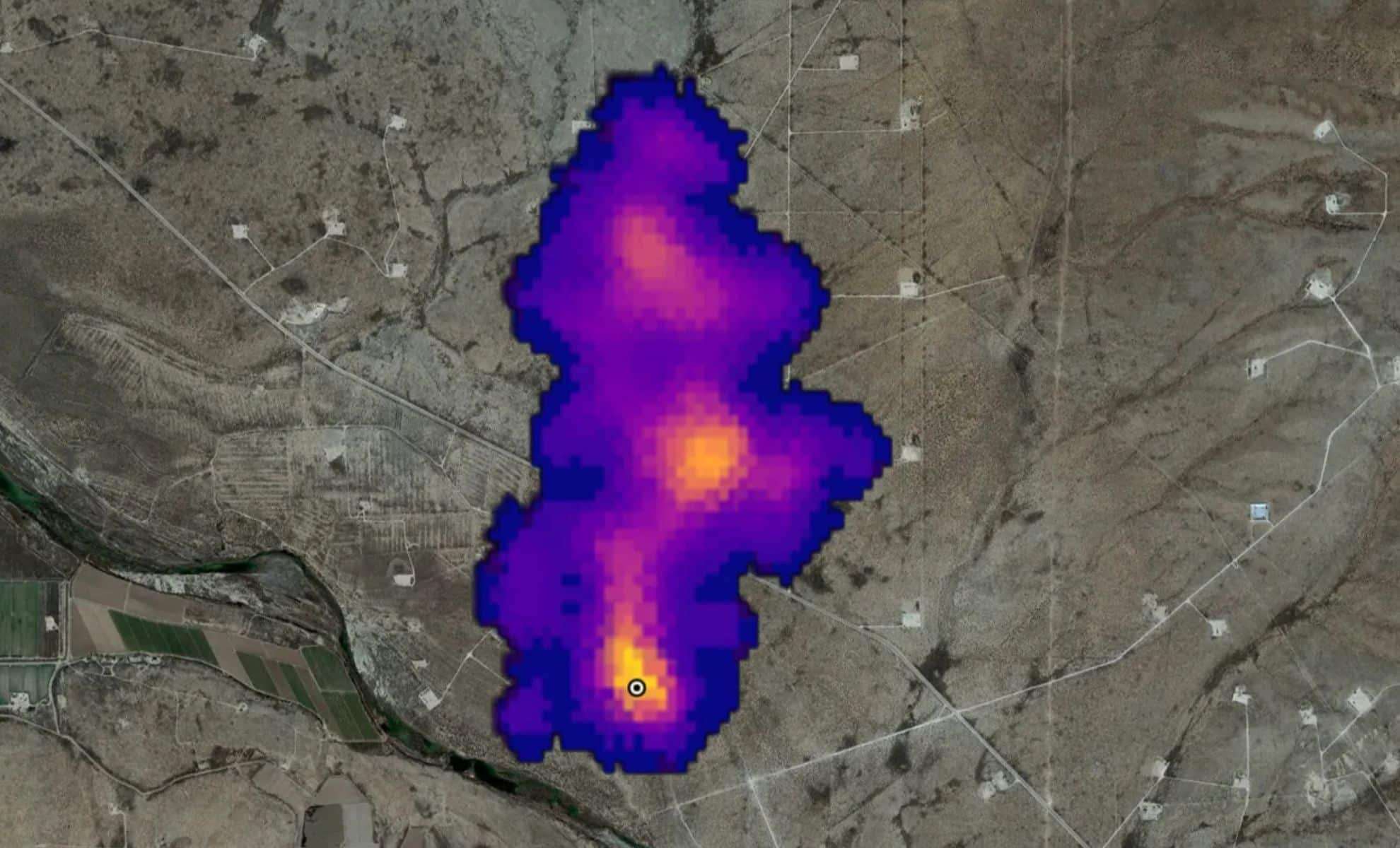
Scientists have identified a significant new source of methane emissions connected to climate change: melting glaciers releasing large quantities of this potent greenhouse gas. Methane’s powerful warming effect is well-known, but the discovery that glacial meltwater carries trapped geologic methane exposes an overlooked driver of climate warming. As glaciers continue to shrink worldwide, emissions from this source may escalate, accelerating global warming in unexpected ways.
Uncovering Methane Hidden Beneath Glacial Ice
Published in Biogeosciences in February 2025, a recent study reveals how researchers detected substantial methane emissions linked to glacial meltwater. By applying isotopic analysis, they determined that the methane escaping is geologic, having been trapped under ice layers for thousands of years and released as glaciers recede.
The investigation, headed by Gabrielle E. Kleber at the University of Cambridge, recorded surprisingly high methane concentrations in meltwater streams. Kleber explained, “We anticipated some methane presence, but the levels we observed were unexpectedly elevated.” This suggests glaciers act as natural seals above methane-rich deposits, and their melting frees considerable volumes of this greenhouse gas. The study underlines the importance of factoring glacial methane emissions into climate projections due to their potential environmental significance.

Mechanism of Methane Escape From Glacial Regions
The team identified glacial meltwater as a key agent mobilizing the trapped methane. As ice melts, water infiltrates rock fissures and pathways, flushing out methane that was securely confined beneath the ice layers.
“Our isotopic findings confirm the methane’s geologic origin, which is emitted as glaciers retreat and meltwater travels through fractured rock,” the research illustrates. Rather than slow seepage, the release can be abrupt and intense, injecting concentrated methane bursts into the atmosphere faster than expected.
This newly revealed methane source raises alarm, especially since many major glaciers worldwide are rapidly disappearing due to global warming. The volume of methane released is predicted to rise sharply in the near future.
Why Methane Emissions from Glaciers Matter for Climate Change
Methane exerts a much stronger greenhouse effect than CO₂ in the short term, trapping roughly 80 times the heat over the span of two decades. Despite methane’s shorter atmospheric lifespan compared to carbon dioxide, its immediate warming influence is substantial, making it crucial to address in climate strategies.
“Methane’s short-term potency means that even seasonal emissions can accumulate significantly as glacier melt accelerates,” cautioned the study authors. Increasing glacier retreat will thus intensify methane emissions, amplifying warming through a feedback cycle.
This breakthrough reshapes our understanding of glaciers’ role in global methane dynamics. While current models prioritize permafrost thaw and anthropogenic sources, recognizing glaciers as notable methane emitters highlights a potentially underestimated acceleration factor in climate change projections.
- Categories:
- News





0 comments
Sign in to Comment