
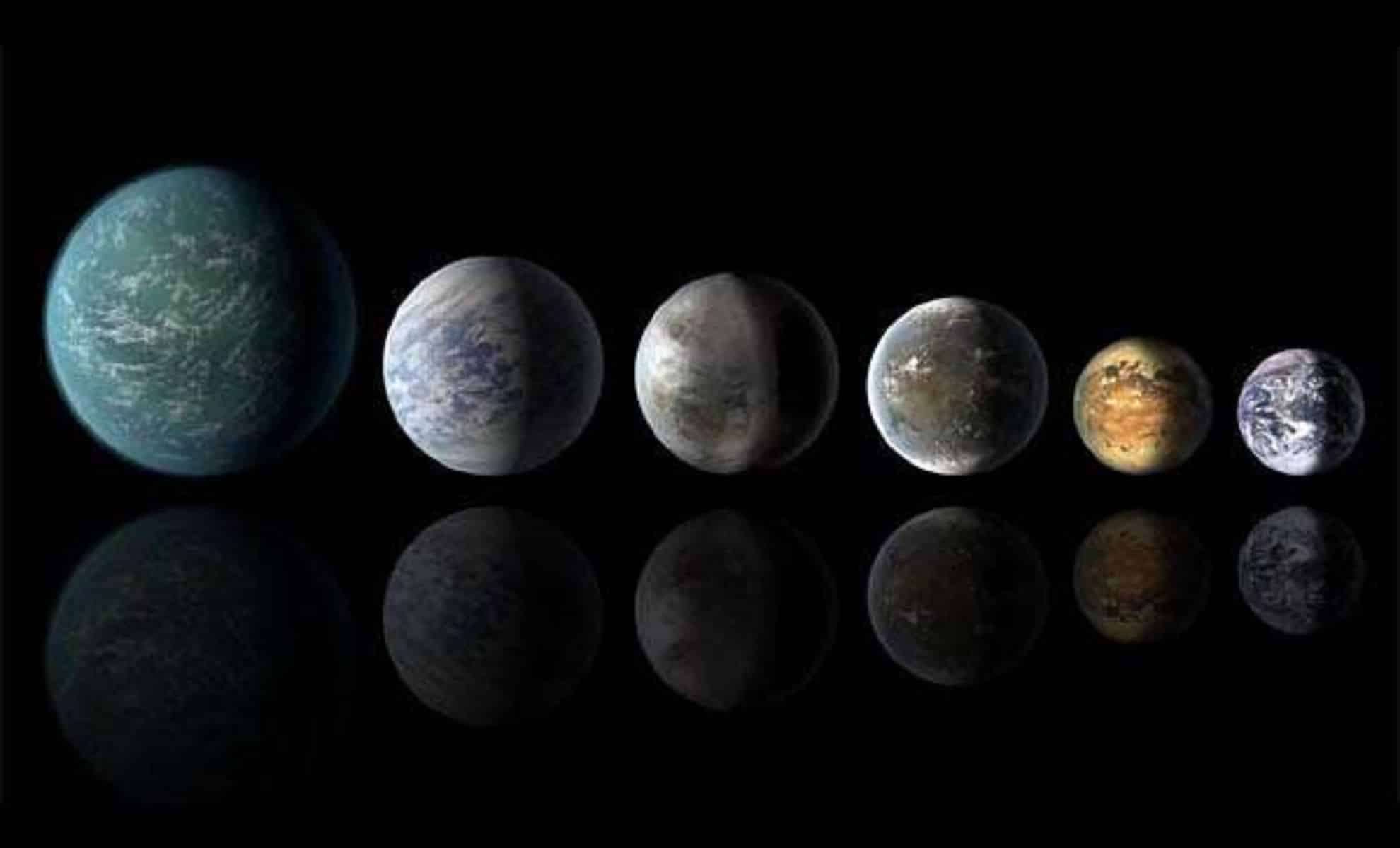
The James Webb Space Telescope (JWST) has been pivotal in advancing the search for exoplanets that could harbor life.
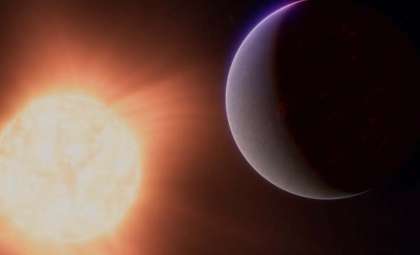
Scientists have concentrated on several small, rocky worlds situated within the habitable zones of their host stars, including notable worlds like LHS 1140 b and TRAPPIST-1 e. These targets offer a unique opportunity to study atmospheres that might be conducive to life.
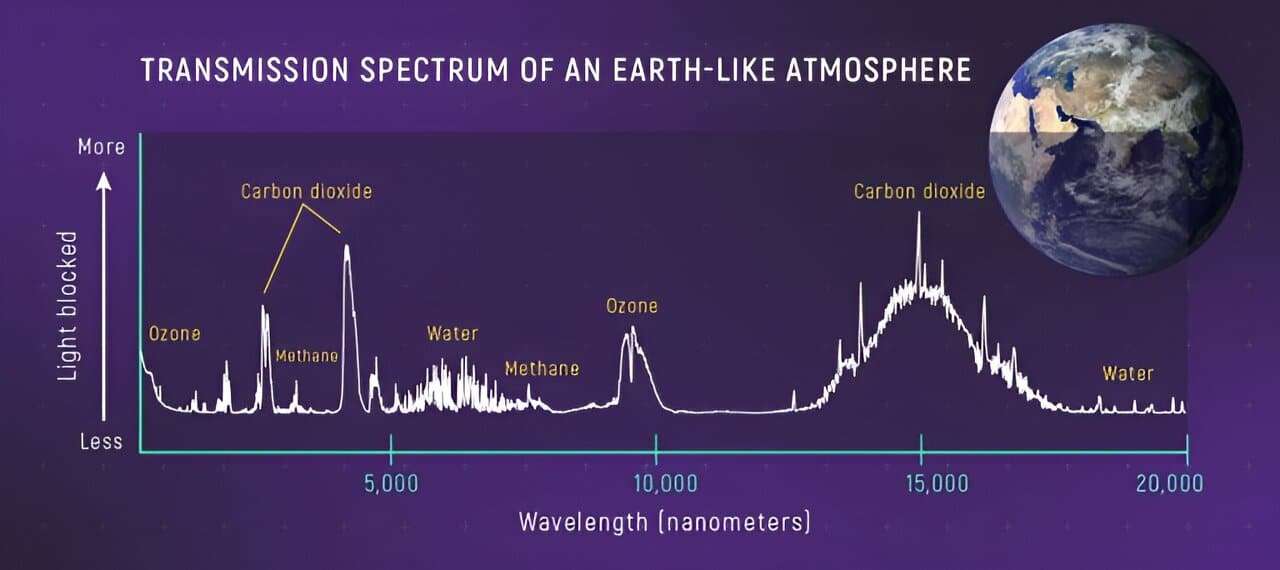
Leveraging Webb’s sensitive instruments, researchers are employing detailed transmission spectroscopy that reveals valuable information about the chemical makeup of these distant planets.

Obstacles Encountered by Webb in Detecting Signs of Habitability
Examining the atmospheres of small rocky exoplanets comes with significant hurdles. The fraction of stellar light obscured by these atmospheres is often less than 0.02%, making detection extremely difficult. Dr. Knicole Colón, a Webb scientist at NASA’s Goddard Space Flight Center, commented, “The challenge lies not just in detecting an atmosphere around these worlds but also in identifying water vapor, which is vital for habitability.”
Traces of biosignatures such as ammonia, phosphine, and nitrous oxide are even more subtle. For example, confirming such signs on LHS 1140 b might require detecting around 50 planetary transits, demanding approximately 200 hours of observing time from Webb under ideal conditions. Dr. Colón added, “Due to Webb’s viewing constraints and the position of LHS 1140, accumulating the necessary observations could take several years or even up to a decade.”
Investigating Hycean Planet Candidates
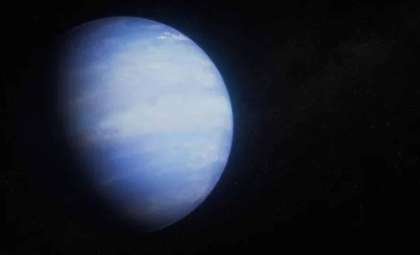
Hycean planets, theoretical super-Earths with thick hydrogen atmospheres and vast oceans, pose exciting possibilities for habitability. One such candidate is K2-18 b.
Webb has confirmed the presence of methane and carbon dioxide in K2-18 b’s atmosphere, although water vapor—a critical ingredient—remains undetected. Dr. Christopher Stark, a Webb project scientist, explained, “While models suggest K2-18 b might host a liquid water ocean typical of Hycean worlds, direct evidence has yet to be found.”
There are tentative signs of dimethyl sulfide, a compound associated with biological activity, but the data are insufficient for firm conclusions. Dr. Stark noted, “The potential dimethyl sulfide signal is too weak for confirmation, but upcoming Webb observations using NIRSpec and MIRI promise to clarify the planet’s atmospheric composition.”
Differentiating Planetary and Stellar Atmospheric Signals
A major difficulty in analyzing exoplanet atmospheres is distinguishing between signals that originate from the planet and those stemming from its star. Observations of GJ 486 b detected water vapor, though it remains uncertain if this vapor belongs to the planet or the star. Dr. Colón emphasized, “We must carefully assess whether the water vapor Webb detects comes from the exoplanet’s atmosphere or if it’s actually stellar in nature.” This uncertainty necessitates long-term and repeated measurements to draw accurate inferences.
Looking Ahead: Next-Generation Space Telescopes
Webb’s pioneering efforts are setting the stage for future missions aimed at directly imaging and analyzing Earth-like planets orbiting stars similar to our Sun. NASA’s upcoming Nancy Grace Roman Space Telescope will further complement Webb by conducting extensive exoplanet surveys.
The ambition is to realize the Habitable Worlds Observatory, a mission specifically designed to detect signs of life beyond Earth. According to Dr. Stark, “Observations from Webb combined with data from the Nancy Grace Roman Telescope will form the foundation for the forthcoming Habitable Worlds Observatory.”
Advancing Exoplanetary Science and the Quest for Life
JWST’s reconnaissance of potentially life-supporting planets marks a substantial leap in the study of worlds beyond our solar system. Assessing their atmospheric properties delivers crucial insights into environmental conditions that might foster life.
Each breakthrough—whether it involves the identification of water vapor or the detection of biosignature molecules—brings humanity closer to answering the enduring question of our place in the cosmos. As Dr. Colón reflected, “Webb’s exceptional sensitivity enables us to detect and eventually analyze the atmospheres of some of the most promising habitable planets orbiting cooler stars.”
With continual advancements in observational technology, the chance of discovering planets capable of supporting life, and possibly hosting it, grows increasingly optimistic.
- Categories:
- Astronomy ,
- News ,
- Space ,
- Nasa






0 comments
Sign in to Comment