
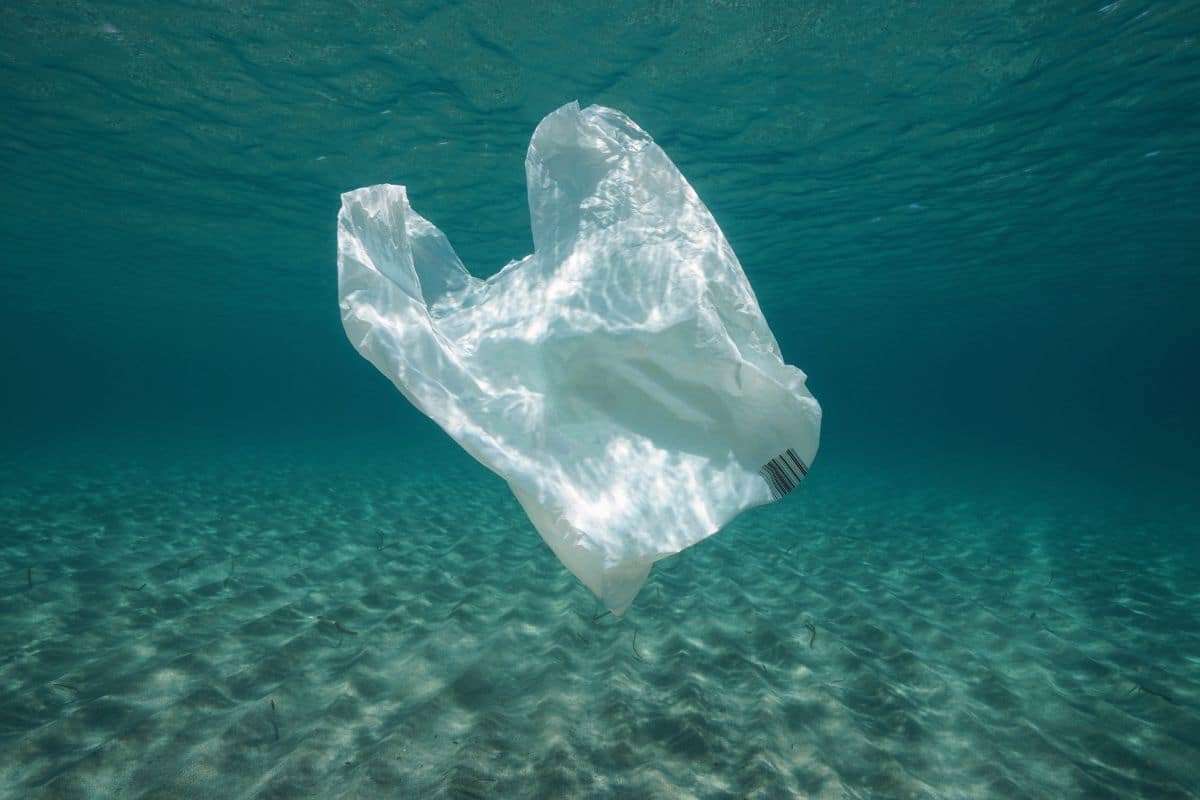
Scientists have unveiled a revolutionary plant-derived material that could tackle the escalating issue of single-use plastic pollution. This new waterproof, plant-based substance is designed to replace common plastic items such as cups and straws, offering a sustainable option that breaks down rapidly in oceanic settings.
Understanding the Science Behind the Material
The secret behind this advanced material is cellulose, a natural component of plant cell walls. Previously, producing rigid, water-resistant cellulose materials posed significant challenges.
Researchers led by Noriyuki Isobe at the Japan Agency for Marine-Earth Science and Technology (JAMSTEC) developed a method using a lithium bromide solution to process cellulose. This approach removes the need for coagulants, enabling the material to dry while maintaining its form and durability.

Transforming Paperboard Into Durable Cups
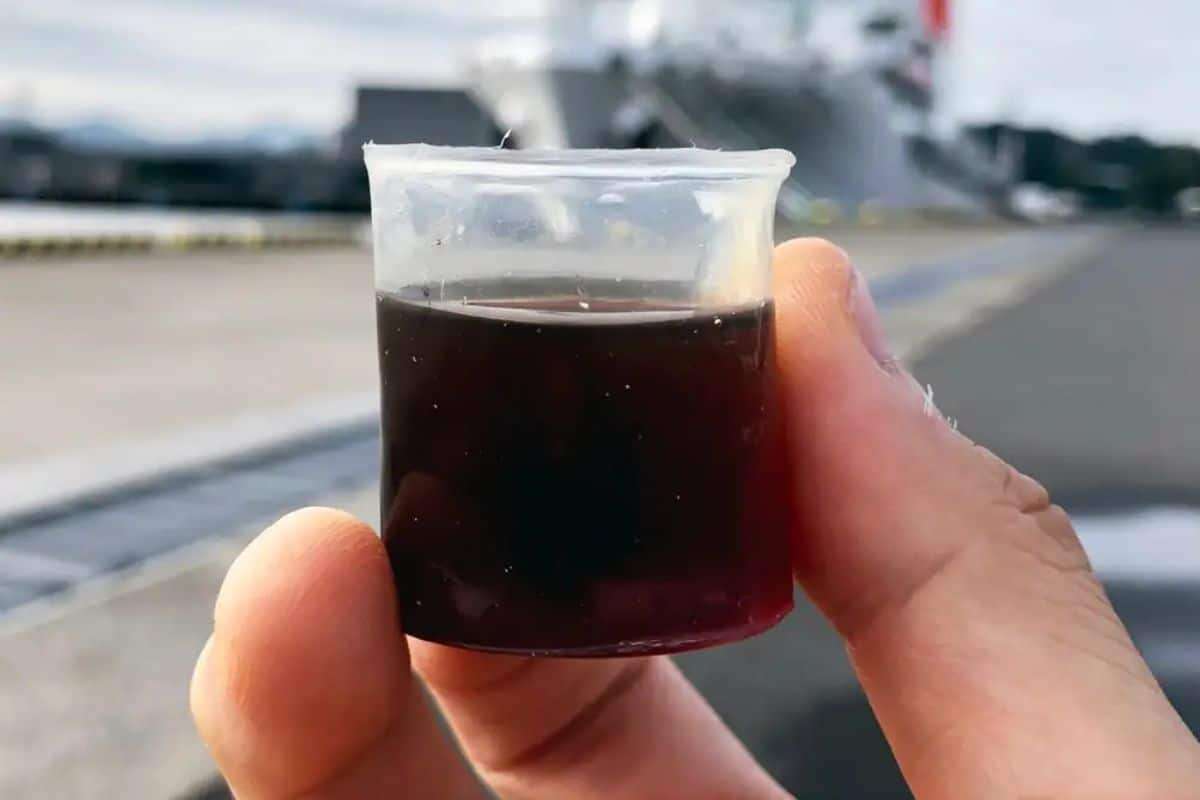
Published in Science Advances, the research team demonstrated the material's potential by fabricating a clear paperboard cup. The cup successfully contained boiling water for over three hours with negligible leakage.
“We have developed a regenerated cellulose material from this solvent system that is not only moldable but also offers a promising sustainable alternative to traditional plastics,” Isobe stated.
Eco-Friendly and Recyclable Attributes
A remarkable aspect of this material is its rapid environmental degradation. Unlike conventional plastics, which may persist for centuries, this cellulose-based product fully decomposes within approximately 300 days when submerged in the deep ocean environment.
At shallower depths, its breakdown accelerates, making it a promising solution for tackling marine litter. Tests confirmed the material dissolves in seawater, presenting hope for addressing the plastic pollution crisis affecting marine ecosystems.
This product is crafted not only from fresh plant cellulose but can also be manufactured using recycled inputs such as discarded textiles. This versatility enhances sustainability by minimizing raw resource demand and repurposing waste materials.
Isobe’s research group also demonstrated the possibility of creating this plant-based material from upcycled cellulose, further highlighting its eco-conscious potential.
Perspectives and Considerations From Experts
Despite its advantages, the shift towards single-use alternatives has sparked some debate. Bhavna Middha, a researcher at the Royal Melbourne Institute of Technology, voiced cautious skepticism.
She emphasized, “There should be restraint in using single-use products unless absolutely necessary, such as in medical applications.” Her perspective reflects the larger discussion on minimizing disposable items beyond just plastics.
Nevertheless, this cellulose-based material could be highly effective for non-essential single-use products including packaging, utensils, and cups, which significantly contribute to plastic waste. As concerns about plastic pollution rise worldwide, finding materials that deliver the convenience of plastics with a much smaller ecological impact is increasingly vital.
- Categories:
- Science










0 comments
Sign in to Comment