
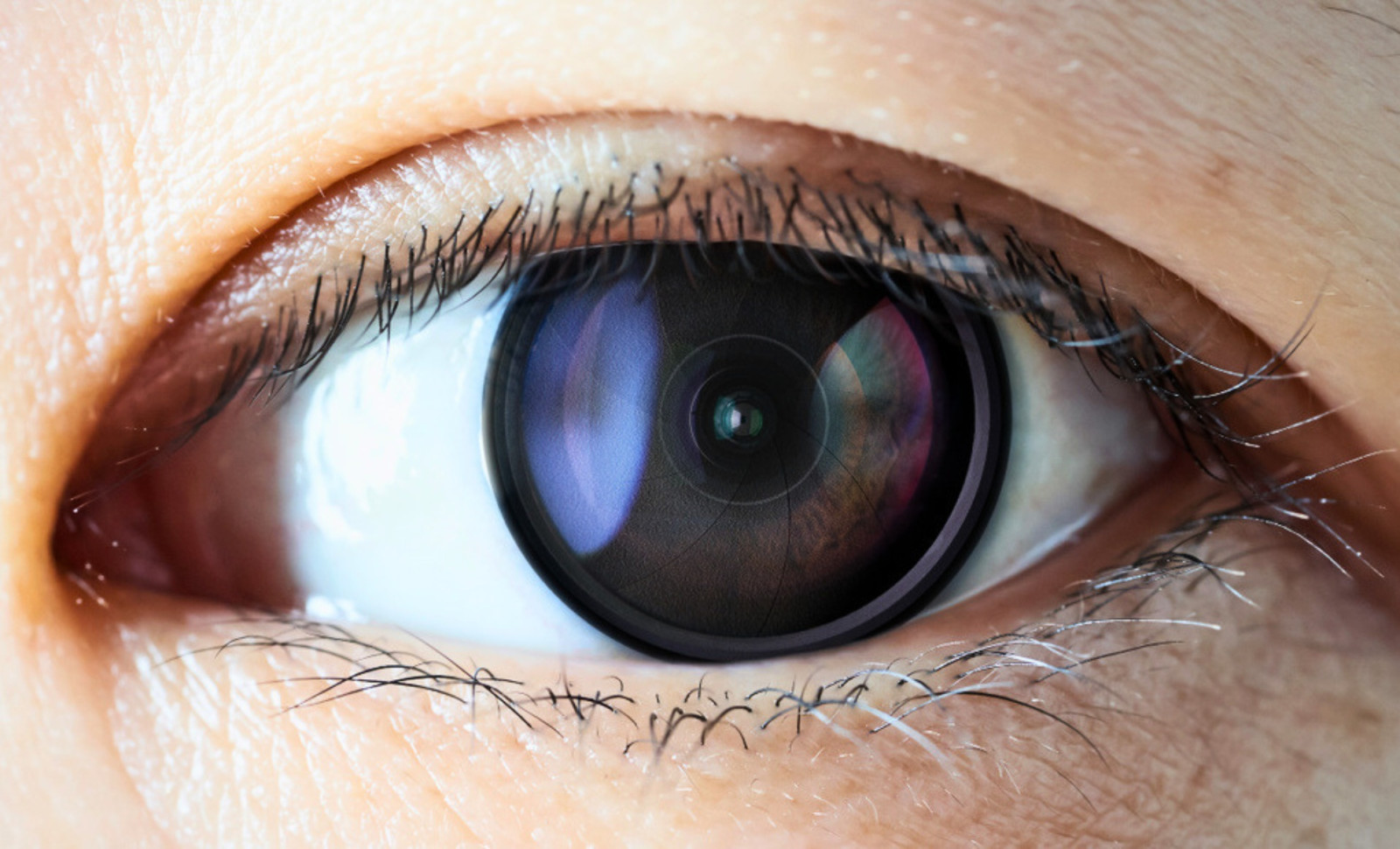
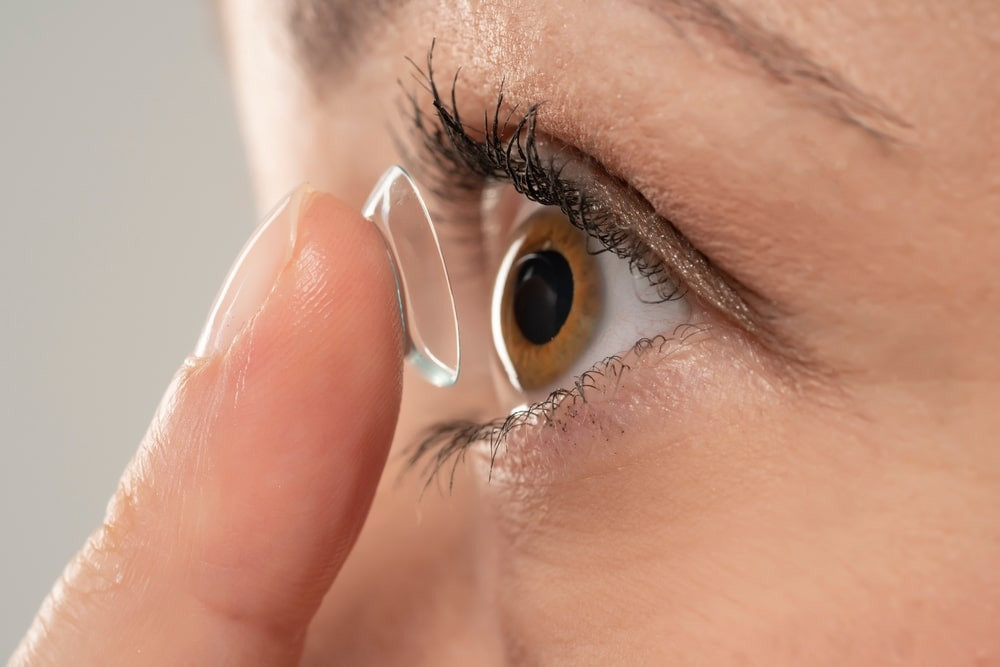
A flexible contact lens capable of detecting sudden increases in eye pressure and delivering medication instantly has advanced closer to human trials, potentially offering millions with glaucoma a hassle-free alternative to daily drops. This breakthrough, reported in Science Translational Medicine, was developed by researchers at the Terasaki Institute for Biomedical Innovation in Los Angeles and operates without batteries, wires, or rigid electronic parts.
The lens functions solely through mechanical actuation. When intraocular pressure rises, the cornea slightly protrudes, compressing tiny drug chambers integrated within the polymer matrix. Dr. Yangzhi Zhu and her team engineered this self-regulating system to detect threats and react autonomously without requiring external power or user involvement.
Mechanism Behind Treatment Activation by Corneal Dynamics
The lens incorporates two nested components embedded in its polymer framework. The first is a sensor: a fluid-filled compartment adjacent to the cornea that shifts when intraocular pressure distorts the corneal shape. This displacement pushes liquid through a slender serpentine channel. Capturing a smartphone image enables an AI-powered app to measure fluid movement and convert it into an accurate pressure reading, eliminating the need for cumbersome tonometry devices during routine checks.

The second component delivers treatment spontaneously. Silk-based sponge reservoirs filled with medication lie beneath the sensing layer. When pressure surpasses a set critical point, the corneal bulge compresses these reservoirs, releasing drugs like timolol or brimonidine directly to the eye without any electronic signals or patient actions.
The drug chambers vary in sensitivity. Some respond to moderate pressure elevations by releasing medication, while others activate only during intense or prolonged pressure spikes, delivering an alternative drug. According to Terasaki Institute, this layered response enables the lens to make decisions based purely on mechanical forces, without electronic computations, effectively acting as a tiny, autonomous dispensary that activates only when medically necessary.
“Our goal was to build a system that monitors eye health continuously and administers treatment immediately,” Zhu explained. “Combining sensing and drug delivery into one smart contact lens brings us closer to a personalized, convenient treatment solution.”
Experimental Validation Using Artificial, Bovine, and Live Rabbit Models
The research team tested the lens rigorously in three progressive stages that increased biological accuracy. Initial trials with artificial eye models showed that the microfluidic channels generated consistent, proportional responses to varying pressure levels, confirming reliability for monitoring.
Next, experiments with excised cow eyes, which closely mimic human ocular properties, allowed controlled alteration of internal pressure. This stage confirmed the sensor’s accuracy against traditional tonometry instruments across relevant clinical pressure ranges.
Finally, live rabbits with artificially raised ocular pressure underwent trials. These animals provided a realistic environment with blinking, tear dynamics, and natural eye movement. Upon the pressure crossing the lens’s threshold, medication was dispensed without external triggers, leading to pressure reductions matching or surpassing results from standard eye drop treatments. R&D World outlined the testing process, highlighting the device’s ability to operate reliably in a living eye’s complex conditions.
Advantages of a Battery-Free Design
Earlier smart lenses incorporated hard components such as microchips, antennas, or tiny batteries, often reducing comfort, optical clarity, and wearability over time. This fully polymer-based lens sidesteps those drawbacks, enhancing comfort and allowing longer usage without irritation common to electronics-laden lenses.
The silk sponge reservoirs serve dual roles: storing larger quantities of medication than empty chambers would allow, extending replacement intervals, and reinforcing microchannels to prevent collapse under normal eyelid pressure. The lens remains transparent and user-friendly while delivering therapeutic doses. This exemplifies a trend in biomedical engineering that favors biologically inspired designs over traditional miniaturized electronics.
Glaucoma afflicts over 70 million people worldwide and has caused irreversible vision loss in at least 8.4 million. The condition worsens as eye pressure damages the optic nerve. However, traditional clinic visits provide only snapshot pressure measurements, and patients frequently struggle with adherence to eye drop regimens. This lens’s continuous monitoring and automatic treatment address both challenges simultaneously.
Future Directions
Before becoming commercially available, the lens must demonstrate long-term safety and efficacy through human clinical trials. Scaling up manufacturing for these complex multilayered polymer devices remains a technical hurdle, requiring production methods not yet available at mass scale to ensure consistency in mechanical and pharmaceutical properties.
The Terasaki team is already exploring applications for dry eye syndrome and tumor detection. Dr. Zhu holds a patent on this theranostic lens, which has the potential to transform chronic eye care much like continuous glucose monitors revolutionized diabetes management—providing continuous, responsive therapy with minimal patient effort.
- Categories:
- Science











0 comments
Sign in to Comment