
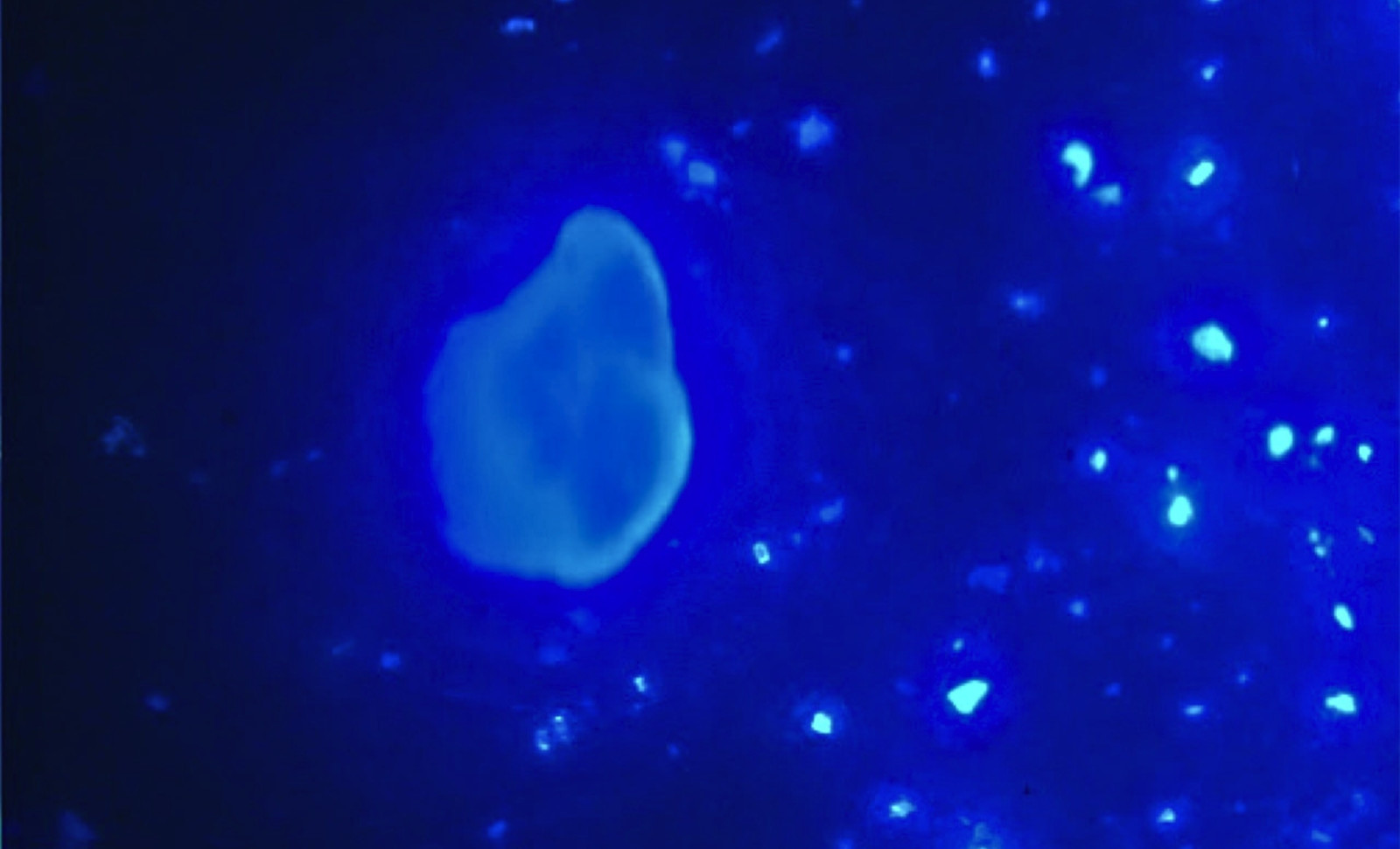
Traditional water filtration systems often fail to capture nanoplastic contaminants. Researchers in Mar del Plata are addressing this gap with a novel two-step apparatus that enhances particle adhesion before filtering.
An Argentine team is creating a domestic device specifically engineered to eliminate microplastics and nanoplastics from tap water. Headed by CONICET scientist Carla di Luca at the Institute of Research in Materials Science and Technology (INTEMA), the project recently received the 2025 Franco-Argentine Innovation Award.
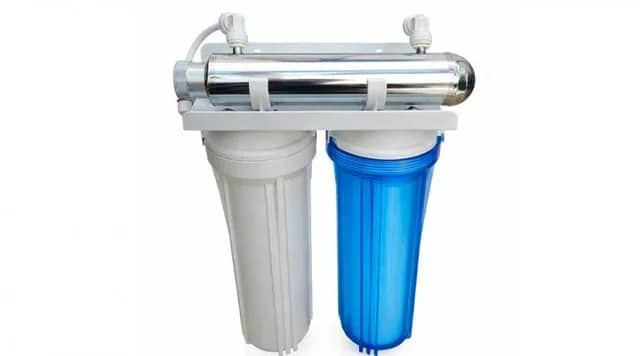
This system employs a dual-phase method. Initially, high-intensity UVC light alters the chemistry of plastic particles, increasing their tendency to adhere. Subsequently, porous materials crafted from recycled local industrial waste adsorb the activated particles. A comprehensive article on this innovation highlights that this activation-capture mechanism sets the device apart from typical filtration systems.

Why Typical Filters Fail to Catch Tiny Plastics
The majority of home water purifiers are designed to eliminate sediments, chlorine, and microbial contaminants, not plastic fragments. While activated carbon filters can trap some microplastics, their pores are too large to intercept nanoplastics, which are smaller than one micrometer and easily pass through.
“Activated carbon filters are affordable and easy to install,” di Luca noted, “but their effectiveness is limited by the pores’ size and they do not capture the tiniest particles.”
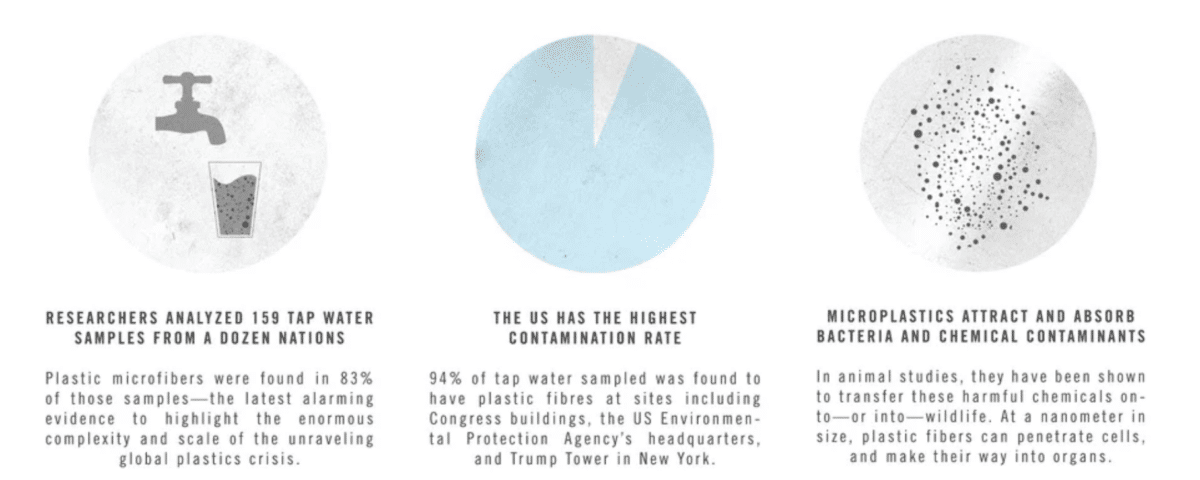
Research has identified microplastics in tap water worldwide, with a 2024 study revealing several hundred thousand nanoplastic particles per liter in bottled water. These originate from plastic degradation, synthetic textiles, and water pipe linings. Studies have even detected nanoplastics in human blood and placenta, though health impacts remain uncertain.
Bridging the Gap Between Expensive Tech and Everyday Use
Advanced methods such as ultrafiltration and reverse osmosis effectively remove nanoplastics but are costly, energy-intensive, and often strip beneficial minerals from water. Complete oxidation treatments break down plastics in lab settings but consume too much energy for household application.
“Our device offers improved nanoplastic removal efficiency, lower energy use than oxidation methods, and cost savings by utilizing recycled waste materials,” explained di Luca. This approach uses industrial byproducts instead of new chemicals to create filtration materials.
Moving Toward Practical Implementation
Currently in the testing stage within the lab, the INTEMA team is assessing the system’s performance with varying water pressures, temperatures, and contaminant loads.
“The next phase involves building a functional prototype to test under realistic conditions,” said di Luca.
Designing this prototype involves challenges like managing fluctuating water flow, size constraints for kitchen installation, and keeping production affordable. If successful, the researchers aim to collaborate with water treatment companies for technology transfer. This device is intended to supplement existing water purifiers, not replace them.
At present, nanoplastic standards are absent worldwide. No regulations set maximum allowable levels, and the World Health Organization calls for more research without defining guidelines. While the CONICET team hasn’t solved this regulatory issue, they have created a promising lab-scale system and earned international recognition. The transition to a consumer product now hinges on the next prototyping phase.
- Categories:
- Science













0 comments
Sign in to Comment