
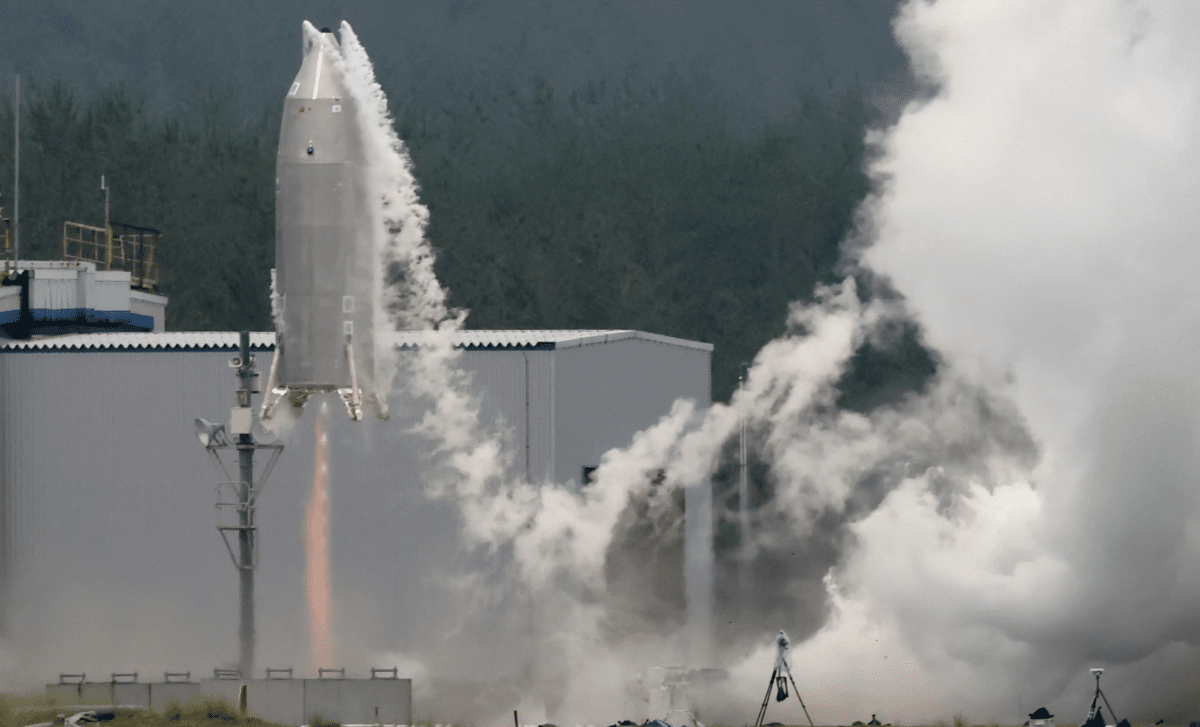
Japan has achieved a notable milestone in rocket technology by conducting a test that could pave the way for reusable launch systems. This development marks a key phase in Japan’s effort to build more affordable and competitive space access. The focus of the trial was on recovering components from future rockets, a capability that has transformed the commercial launch landscape worldwide. Although fully operational reusable rockets are still years away for Japan, this progress highlights the country's dedication to lowering launch costs and ramping up mission cadence in a rapidly evolving space industry.
Expanding the H3 Rocket’s Role in Japan's Space Strategy
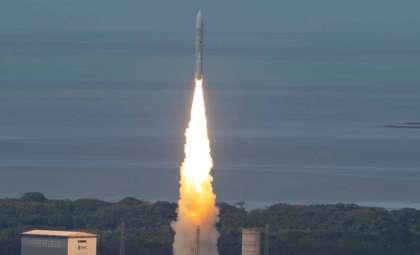
The launch of Japan’s H3 rocket, a joint initiative by JAXA and Mitsubishi Heavy Industries, marked a new era of spaceflight for the nation. As a successor to the H-IIA, the H3 offers enhanced payload flexibility and aims to reduce operational expenses. After a challenging start in 2023, the rocket has completed several successful missions, reinstating trust in Japan's launch capabilities.
Moving beyond basic satellite deployment, recent experiments have concentrated on technologies essential for enabling reusability—one of the most transformative trends in spaceflight today. Reusable launch vehicles stand to drastically cut costs, enabling more frequent access for science, commerce, and security purposes. Japan’s continued experimental efforts signify a methodical, long-term approach rather than an immediate breakthrough.

Reusable Rockets Are Revolutionizing Space Access
The option to retrieve key rocket components post-launch has revolutionized spaceflight economics. Rather than manufacturing fresh rockets for each service, reusing boosters substantially cuts production expenses and shortens turnaround times. This innovation gained momentum through SpaceX and its Falcon 9 recoveries, proving reusability’s technical and commercial feasibility.
While Japan’s current test falls short of full operational reusability, it represents a crucial step forward. The experiment helps refine hardware, gather flight data, and build foundational expertise required for developing reusable launch systems. Each success adds valuable insights, mitigating technical challenges ahead of more advanced missions.
Responding to Intense Global Competition in Launch Services
The international space sector has grown fiercely competitive, with nations and private companies investing heavily in innovative rocket technologies. The U.S. maintains a strong commercial presence led by firms like SpaceX, while China rapidly expands both government and commercial reusable launch capabilities. Europe also pursues reusability through various research projects to stay competitive globally.
Japan’s recent trial reflects its recognition that future space launch providers must deliver cost-effective, dependable, and reusable systems to attract satellite operators. As demand surges for satellites in communications, Earth monitoring, navigation, and emerging commercial ventures, developing reusable rockets is not just a technical feat but an economic imperative.
Progress Is Ongoing, with More Challenges Ahead
According to Associated Press News, the recent test focused on evaluating technologies for future reusable rockets rather than proving a fully operational system. Achieving reusable launch capability requires a complex integration of navigation, propulsion, structural integrity, thermal protection, recovery logistics, and quick turnaround servicing.
Mastering these aspects demands extensive testing and development. Japan is taking a deliberate and cautious route, verifying components individually before integrating them into comprehensive reusable solutions. While fully reusable rockets from Japan may still be years away, each successful test strengthens the technological foundation to compete in the global launch market of tomorrow.
- Categories:
- News







0 comments
Sign in to Comment