
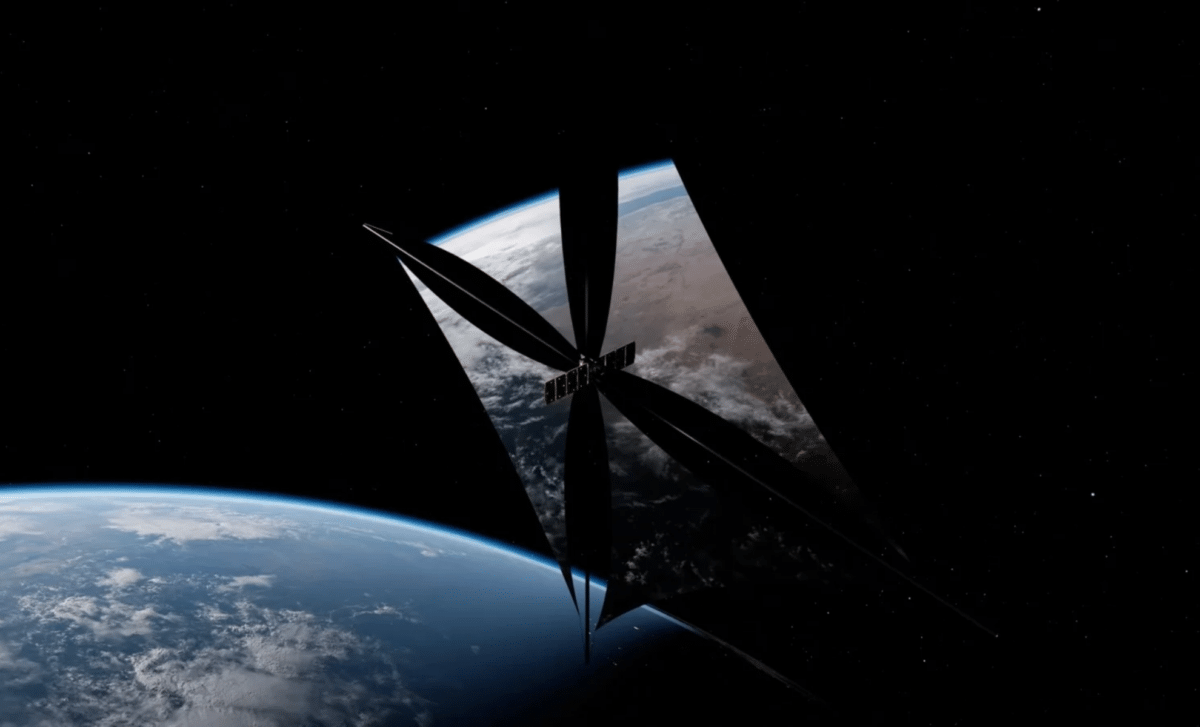
The U.S. government has given the green light to a groundbreaking satellite project aimed at reflecting sunlight back down to Earth. This permit enables the startup Reflect Orbital to conduct a limited trial that will test the viability of orbiting mirrors to offer controlled illumination, potentially aiding emergency responders and infrastructure operations. Though modest in scale, this mission marks a crucial step in broadening the use of satellites beyond communication and Earth observation.
Global Interest in the Orbital Sunlight Reflection Initiative
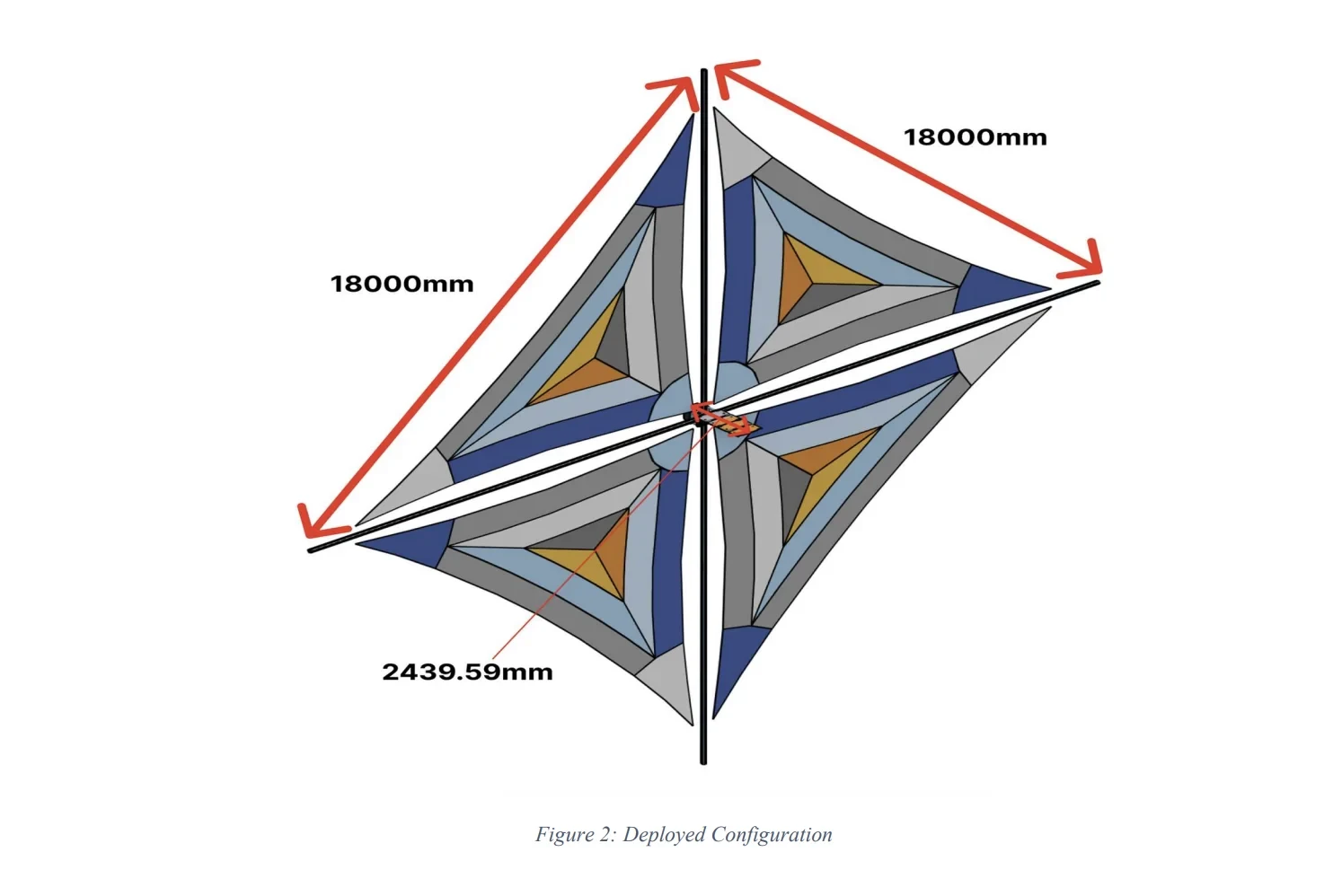
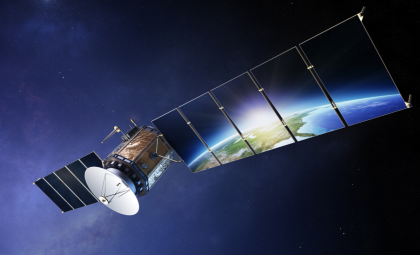
The idea behind Reflect Orbital combines simplicity and boldness. The company plans to launch a satellite outfitted with a highly reflective surface intended to bounce sunlight onto specific Earth regions during twilight or nighttime hours. This experiment is designed not to create continuous artificial lighting but to determine whether precise and safe light redirection can be realized before scaling up.
Advocates foresee the technology boosting lighting capabilities for disaster relief, remote infrastructure work, scientific missions, and humanitarian aid where conventional light sources are unavailable. Conversely, there are concerns about potential disruptions to astronomy, wildlife habitats, nighttime ecosystems, and orbital congestion if the approach is widely adopted.

These differing viewpoints played a key role in the regulatory evaluation leading to approval.
The Federal Communications Commission (FCC) directly addressed these issues in its ruling, stating:
“The Communications Act states that it is the policy of the United States to ‘encourage the provision of new technologies and services to the public,’ and Reflect Orbital’s demonstration satellite is an example of a potentially groundbreaking technology that the Commission has found is in the public interest to support,” the order says.
This ruling clarifies that the permit concerns a controlled, experimental project rather than a broad commercial rollout.
FCC Concludes That Public Interest Surpasses Risks for This Test
The decision follows a comprehensive review examining technical details, public input, and environmental considerations. Rather than assessing a full-scale future satellite network, the FCC concentrated on this particular experimental satellite seeking to validate the reflective concept.
Highlighting the mission’s temporary nature, the Commission explained its intent to gather crucial data for future studies. It declared:
“Independently, we find that any such risks are outweighed by the public interest benefits of authorizing communications to support testing of the technology in a limited, short-duration manner to inform whether there are longer-term benefits from an expanded use of this technology,” the FCC added.
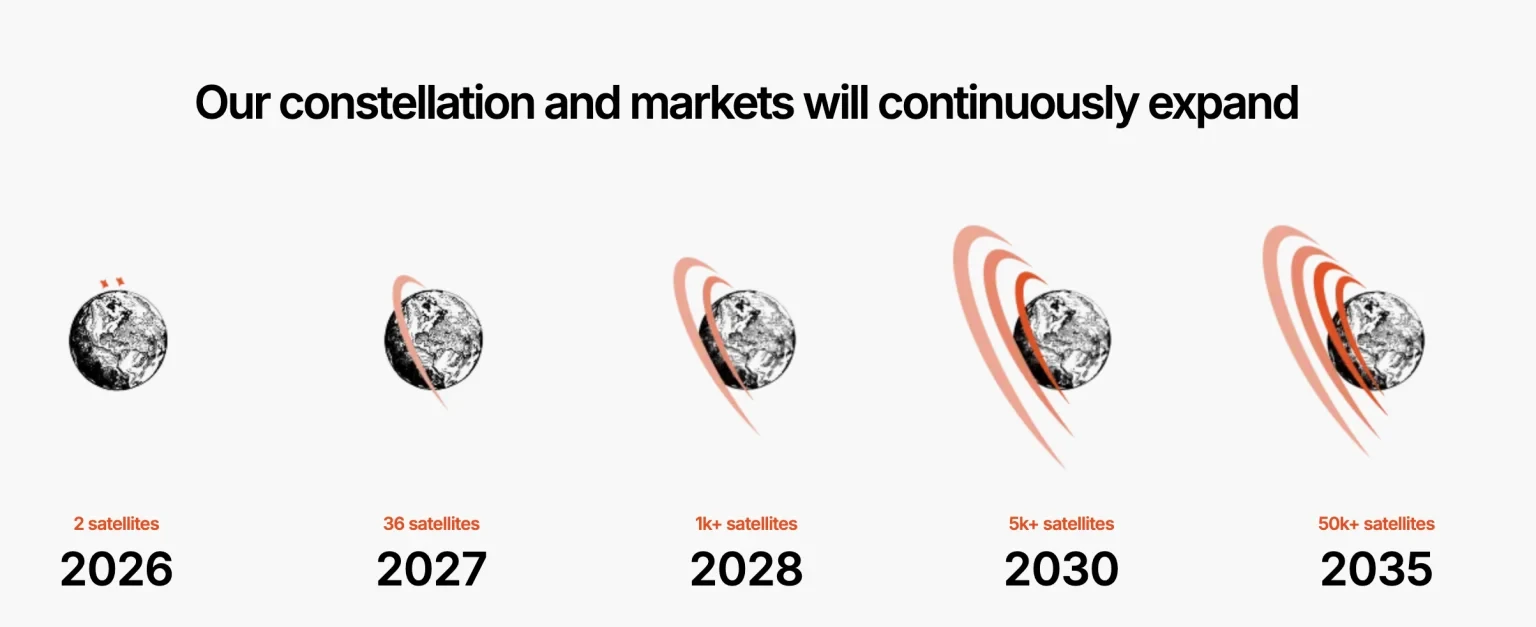
The FCC also drew a clear line between concerns about this mission and speculative future satellite constellations. The order noted that many objections were focused on potential large-scale deployments rather than the single test satellite. The FCC articulated:
“The majority of these comments focus on a hypothetical plan to deploy tens of thousands of satellites, and those who argue the single satellite will harm the human environment do not demonstrate with specificity the potential harm will be caused by the single satellite, but rather rely on the same studies as the commenters objecting to a larger constellation,” the FCC adds.
As The Conversation reported, this new space lighting approach raises questions beyond engineering challenges. Astronomers warn that expanding numbers of reflective satellites may disrupt celestial observations, while environmentalists assess the impact of added artificial light on ecosystems. This sanctioned demonstration aims to supply empirical data to clarify these concerns.
Reflect Orbital Envisions Uses That Extend Past Nighttime Illumination
For Reflect Orbital, this test goes beyond proving an engineering feat. They foresee orbital mirrors providing essential lighting during emergencies, especially when ground power fails, aiding responders in difficult conditions. Additional use cases include support for construction, maritime operations, scientific research in remote regions, and places needing temporary light without permanent installations.
The enterprise also notes burgeoning global interest in the technology. In their announcement post-approval, Reflect Orbital shared: “The license grant follows extraordinary global demand for Reflect Orbital’s lighting and energy services, including most recently numerous requests to assist search-and-rescue efforts in the aftermath of the tragic earthquake in Venezuela,” they stated.
This underscores why the concept is attracting attention from governments, emergency coordinators, investors, and space sector stakeholders. The practicality of orbital mirrors will hinge on technical achievements, operational cost-effectiveness, regulatory frameworks, and public acceptance. This initial mission offers the first opportunity to collect operational insights beyond simulations and conjectures.
Modest Spacecraft Could Pave the Way for a Novel Industry
While only one satellite has received approval, this trial's implications resonate widely. Should the technology demonstrate accurate sunlight reflection with minimal side effects, it may catalyze a new segment of commercial space services centered on deliberate orbital lighting. Future discussions will likely address international policies, environmental safeguards, satellite traffic control, and astronomy community engagement.
Conversely, any setbacks will yield crucial knowledge by revealing technical hurdles before committing significant resources. This experiment stands as a vital benchmark no matter the outcome. As space ventures diversify and companies propose increasingly unconventional solutions, regulators must balance fostering innovation with protecting shared orbital and environmental assets. Reflect Orbital’s forthcoming mission exemplifies this real-world regulatory challenge in action.
- Categories:
- Space







0 comments
Sign in to Comment