
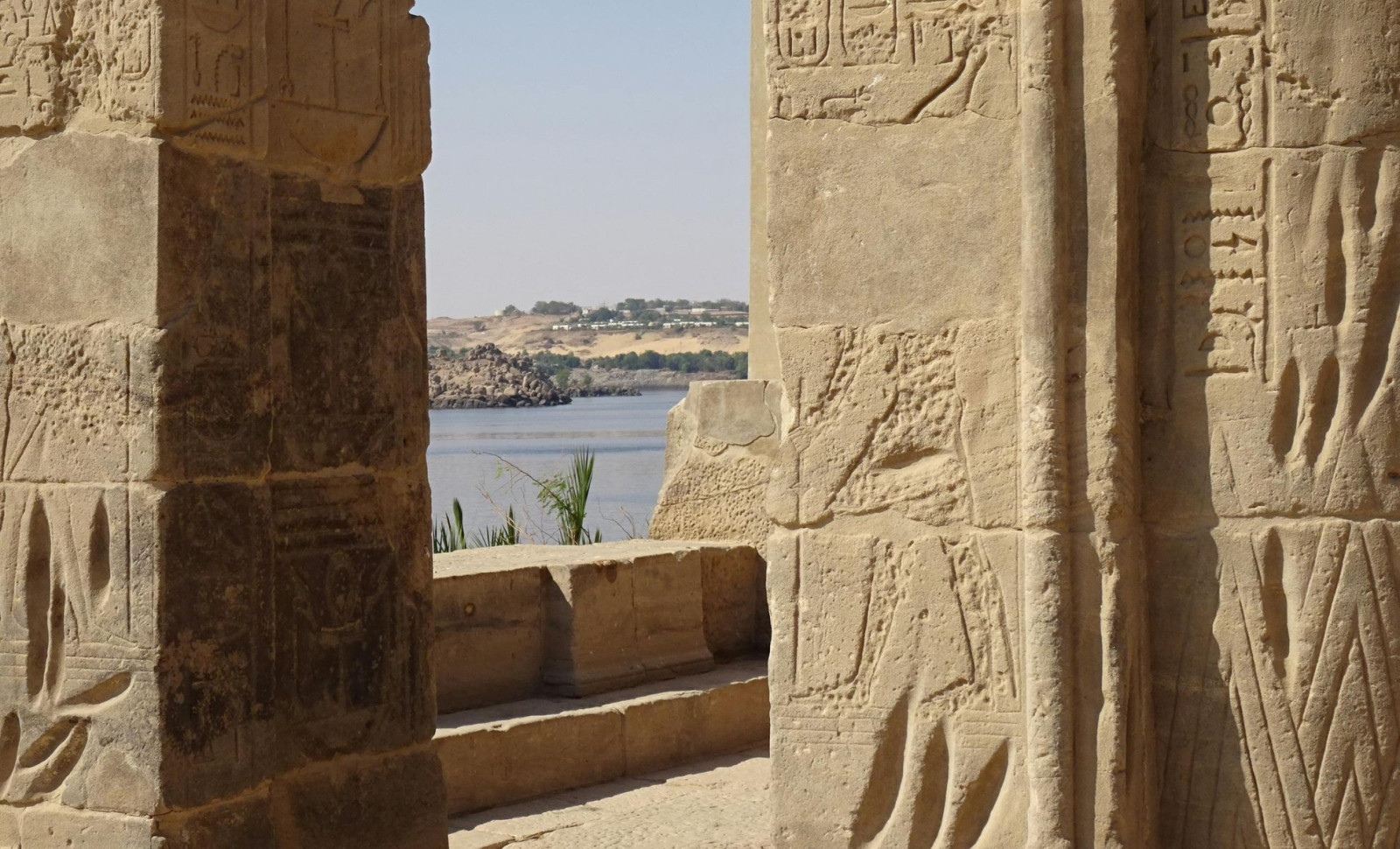
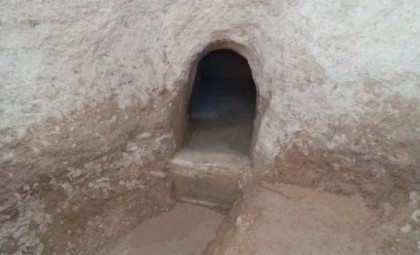
Archaeologists have uncovered a significant subterranean complex dating back approximately 2,600 years beneath the historic Egyptian city of Buto in the Nile Delta. Early digs have revealed mudbrick walls alongside religious relics, suggesting the site could be a temple from Egypt’s 26th Dynasty.
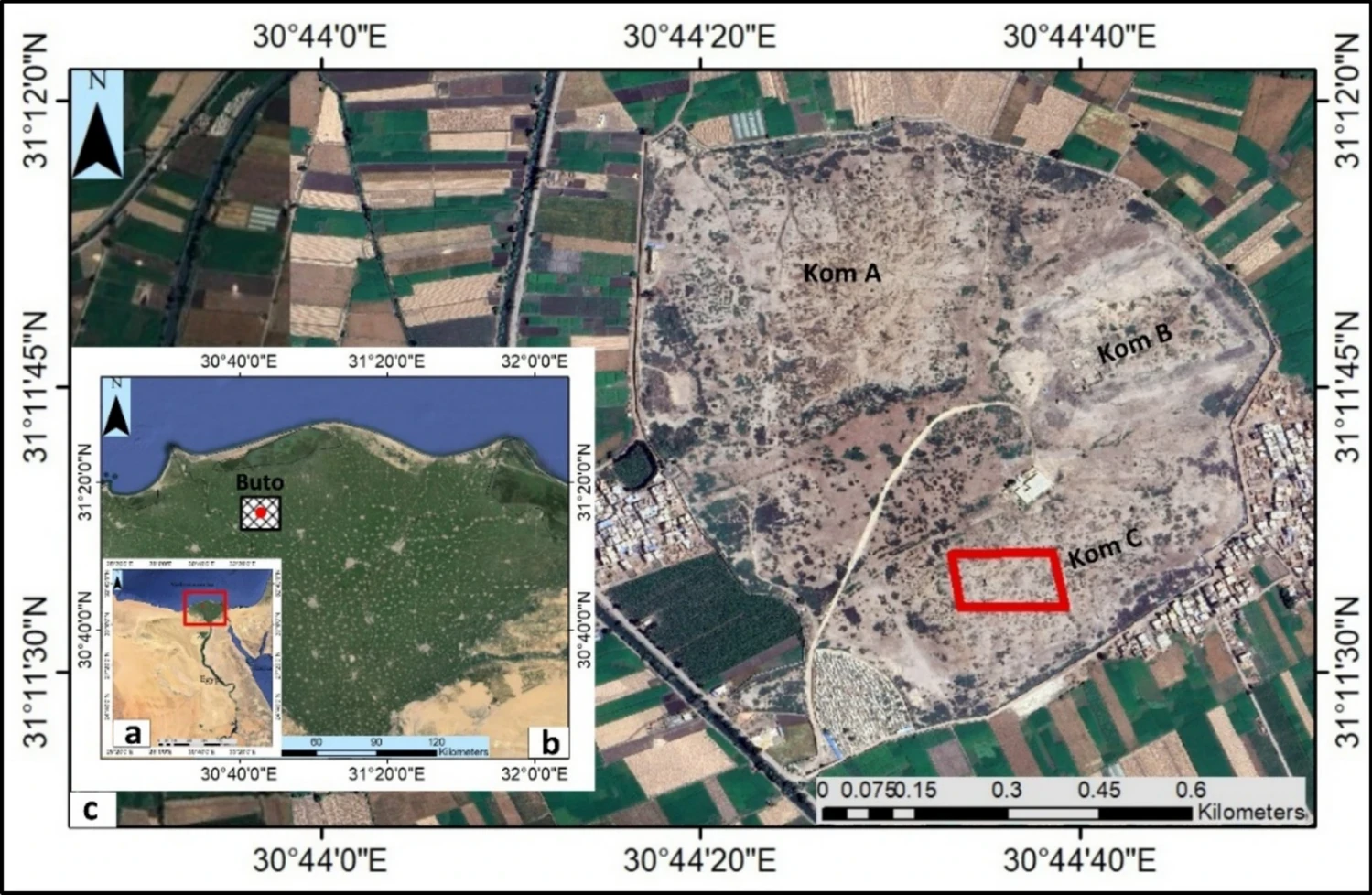
The find is located at Tell el-Fara’in, the ancient settlement of Buto, which thrived around 5,600 years ago during Egypt’s Predynastic era. This city endured multiple cycles of demolition and rebuilding, with layers of mud and soil eventually covering some of its oldest ruins.
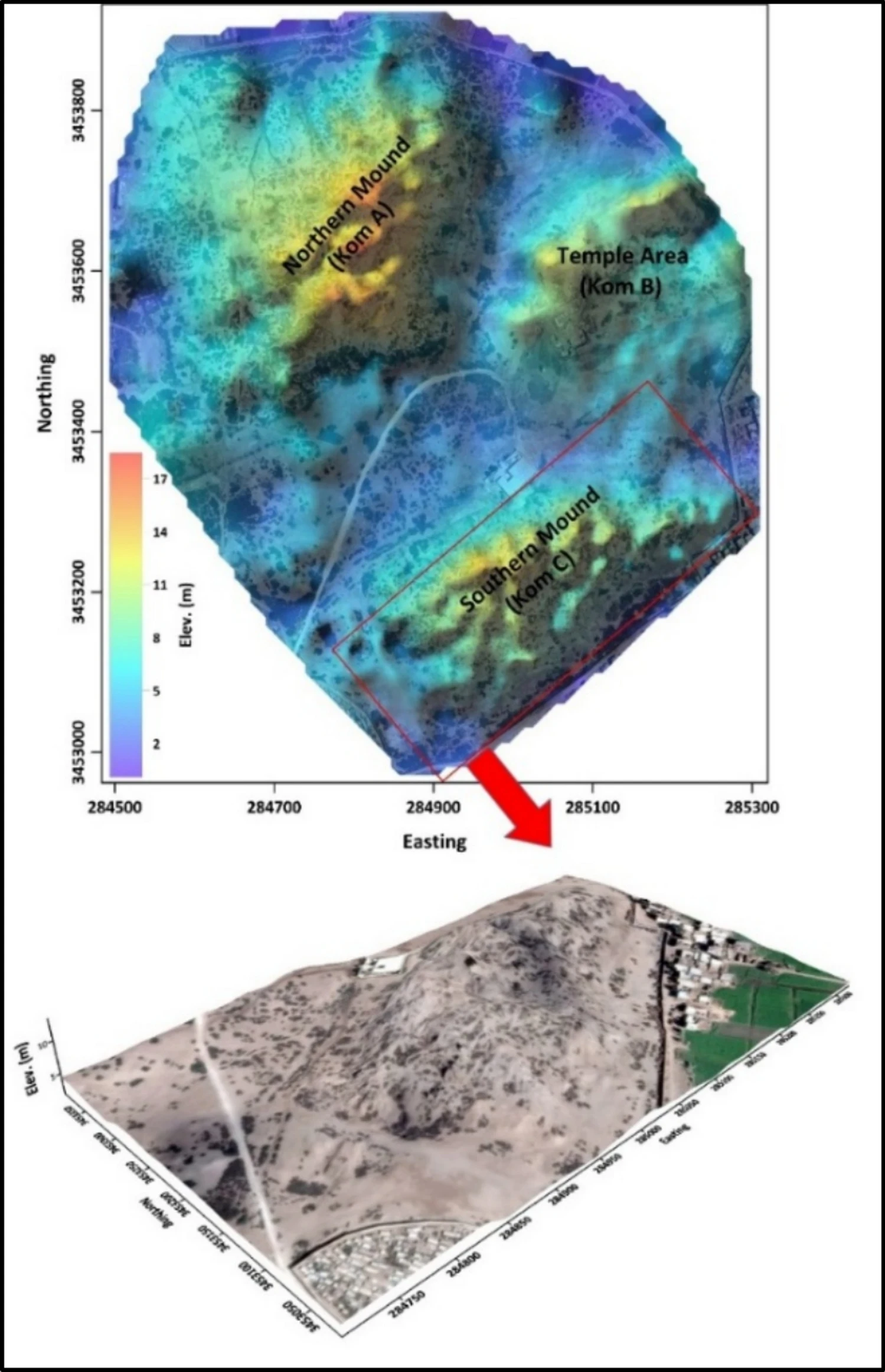
To navigate this complex archaeological terrain, the team employed a combination of satellite radar imaging and electrical resistivity tomography (ERT), a method that detects subsurface material differences. Their goal was to pinpoint buried architectural remains and guide precise excavation without disturbing large site areas.

Massive Subterranean Edifice Located Six Meters Below Surface
Scientists analyzed Sentinel-1 C-band satellite data taken on May 5, 2018, processing it with SNAP software 9.0.0. This approach helped identify large anomalies indicative of underground structures.
Using these anomalies as reference points, they conducted ERT scans, which send electrical currents through the ground to measure conductivity variations. This technique helps generate 3D images of features hidden beneath the earth.
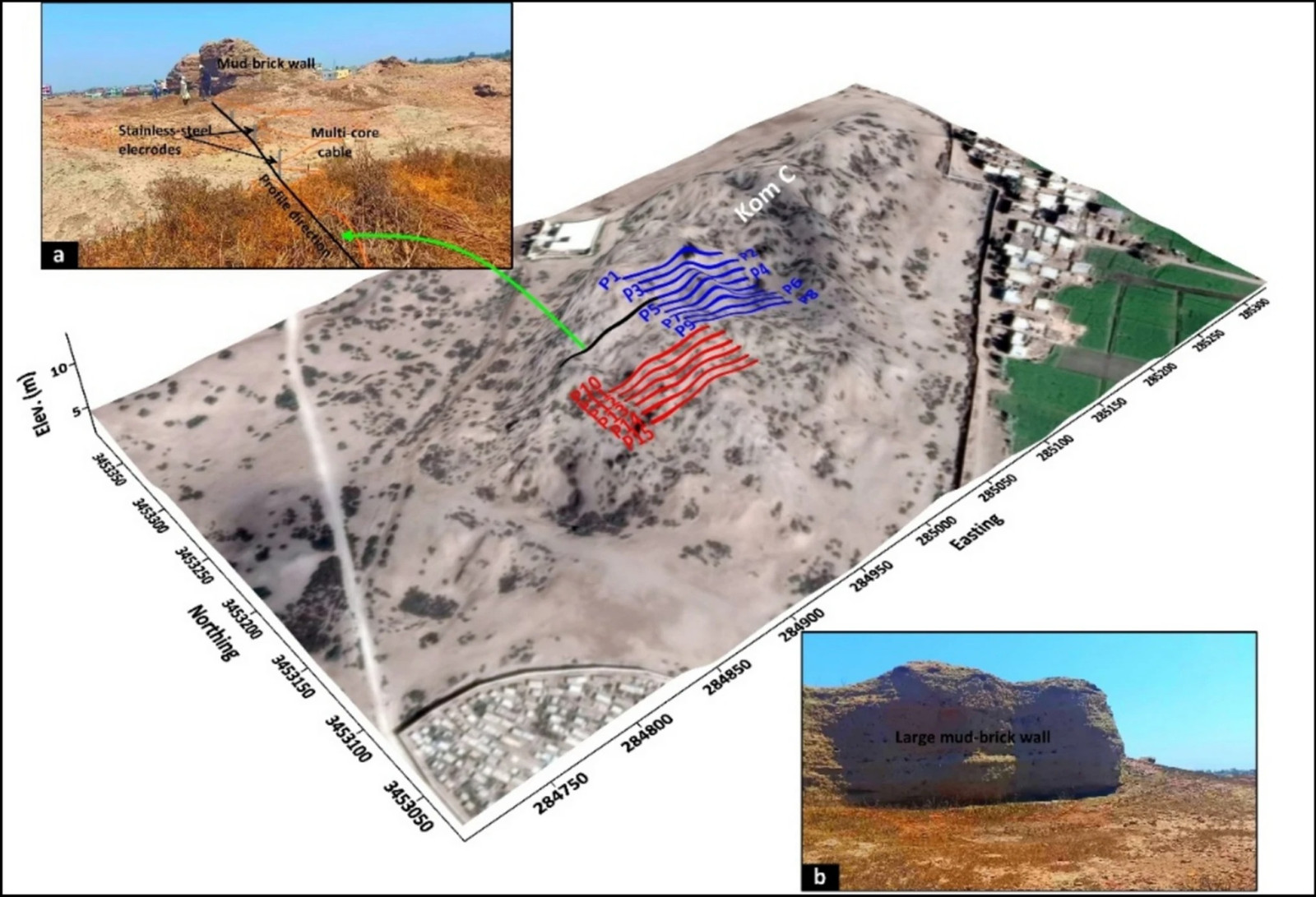
Within the top three meters, the scans revealed a distinct layer likely composed of broken ceramics and debris probably dating to Roman times. Deeper, about six meters down, a much larger structure emerged.
Its depth and characteristics suggest it belongs to the Saite era, roughly 2,600 years ago. While initially thought to potentially be a tomb or large shrine, early excavation evidence points toward a different function.
Religious Items and Walls Support Temple Theory
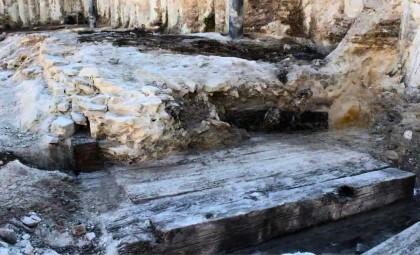
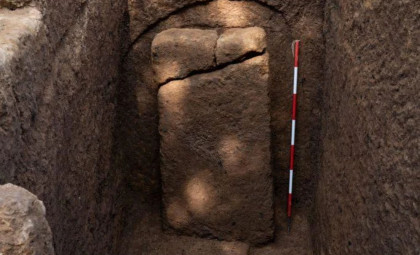
An excavation covering a 10-by-10-meter area uncovered mudbrick walls in alignment with features identified by the geophysical surveys. In addition, a range of religious artifacts was recovered.
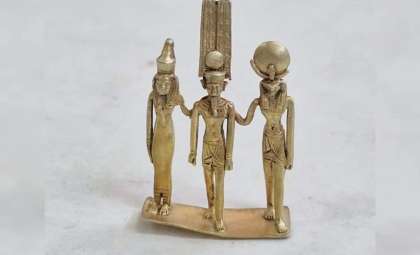
The research published in Applied Geophysics details finds including a small offering basin and several amulets depicting deities such as Isis, Horus, Taweret, and Wadjet, strongly suggesting a temple context. Among the discoveries was a bronze amulet showing Horus the child with a hole for suspension.
Other items included amulets portraying a crouching lion and Anubis, fragments of limestone statues described as “engaged in sexual positions” by the researchers, and a faience plaque engraved with Hathor on both sides.
A remarkable find was a steatite scarab inscribed with King Thutmose III’s name, believed to have functioned either as an amulet or seal.
“Collectively, these artefacts indicate the presence of a religious site with strong cultic and ceremonial associations, further reinforcing the interpretation of the structure as a temple from the 26th Dynasty,” noted the researchers.
Potential Additional Temple Lies Nearby
Beyond the physical evidence, the study highlights the advantages of merging satellite remote sensing with electrical measurement techniques at historically complex sites.
Researchers emphasized that 3D inversion methods were especially successful in mapping buried mudbrick walls and architectural remains.
“The results of this study demonstrate the effectiveness of combining geophysical measurements and remote sensing data,” the authors explained, noting that the methods provided “a very accurate vision in detecting buried settlements in a complex region.”
The team recommends further ERT examinations to explore deeper cultural layers at Buto, revealing the potential existence of another hidden religious complex.
“Our findings suggest that, in addition to the known temple, another temple may remain buried under a thick clay layer,” they added.
Additional probes will help clarify the full scope and purpose of the buried complex. For now, artifacts found within the confined excavation strongly support that it was once an ancient temple.
- Categories:
- Science




0 comments
Sign in to Comment