
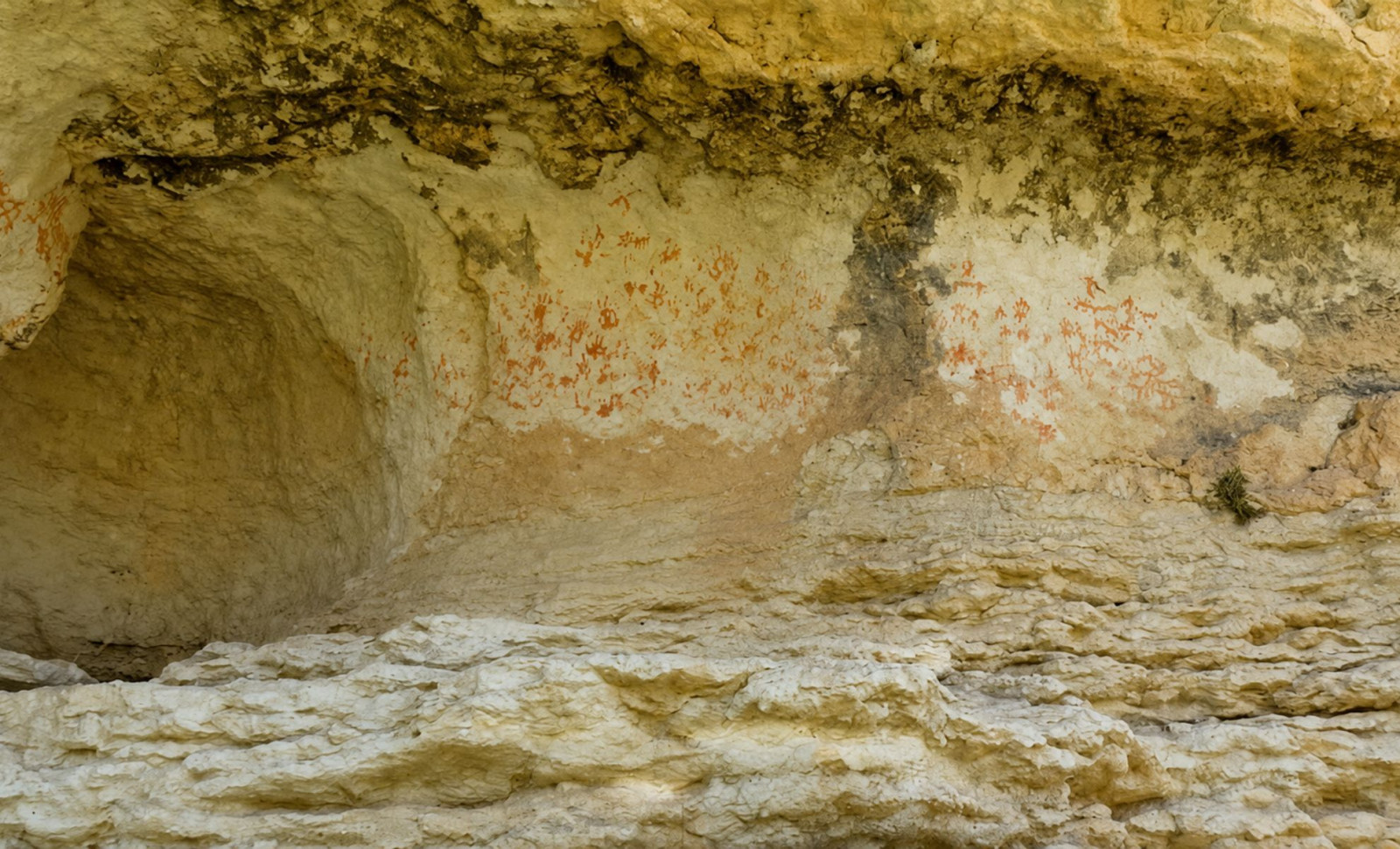
Researchers have uncovered a prehistoric cave in eastern Türkiye featuring This site may rank among the most remarkable painted caves discovered in Anatolia, although further study is required to determine its precise age.
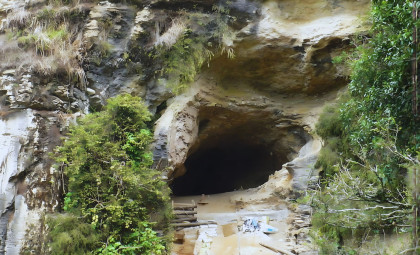
Discovered amid field studies in Malatya’s Tohma Canyon by a multidisciplinary research group led by Dr. Levent İskenderoğlu from İnönü University, the artwork is crafted in rich red and reddish-brown shades and appears to represent a layered history rather than a single artistic event.
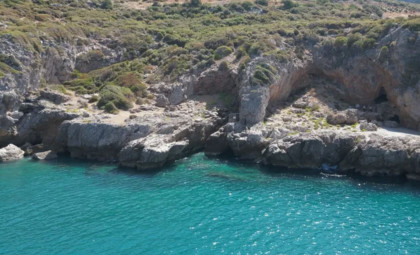
Located in Malatya’s Darende district, Tohma Canyon is recognized for its steep cliffs and flowing river. This recent finding adds a fresh dimension to the area’s past by revealing an enduring legacy of durable prehistoric imagery.

Artistic Layers Spanning Generations
The interior walls display nearly 100 human figures, animals, and geometric motifs painted predominantly in red. Instead of isolated pictures, many images intertwine to form expansive visual narratives along the rock face.
A report from İnönü University notes evidence of overlapping figures, intersecting lines, and shifts in painting techniques, suggesting recurrent visits and contributions by various groups over an extended timeframe.
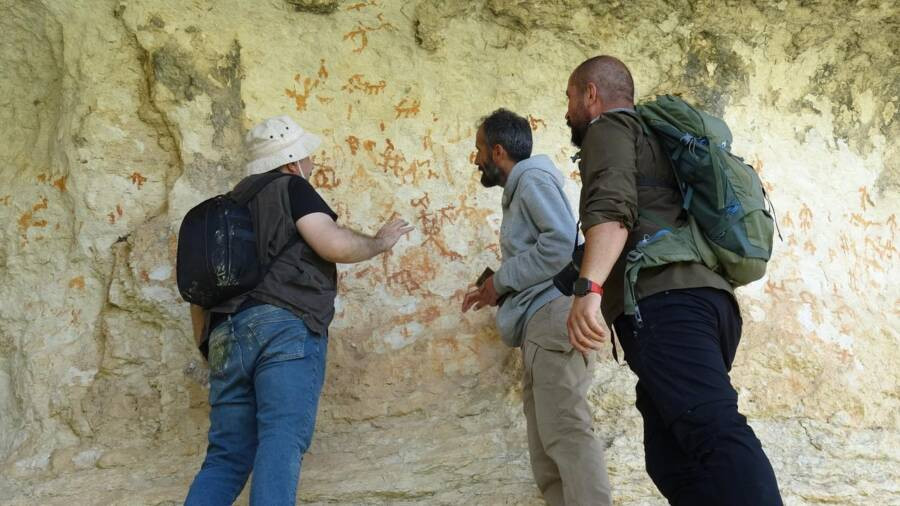
Rather than a single instance of cave painting, the team regards the site as a visual archive capturing diverse moments in its usage history.
“Closer examination reveals stylistic variations and differences in the texture of the paint and pigments, pointing to both older and more recent phases of artwork. This suggests the site may have been used over thousands of years.” said Dr. Levent İskenderoğlu, an assistant professor in the Department of Painting at İnönü University’s Faculty of Fine Arts and Design. “It could have been a sacred or dream-related place, revisited repeatedly across generations and imbued with symbolic significance.”
A Distinctive Prehistoric Artistic Approach
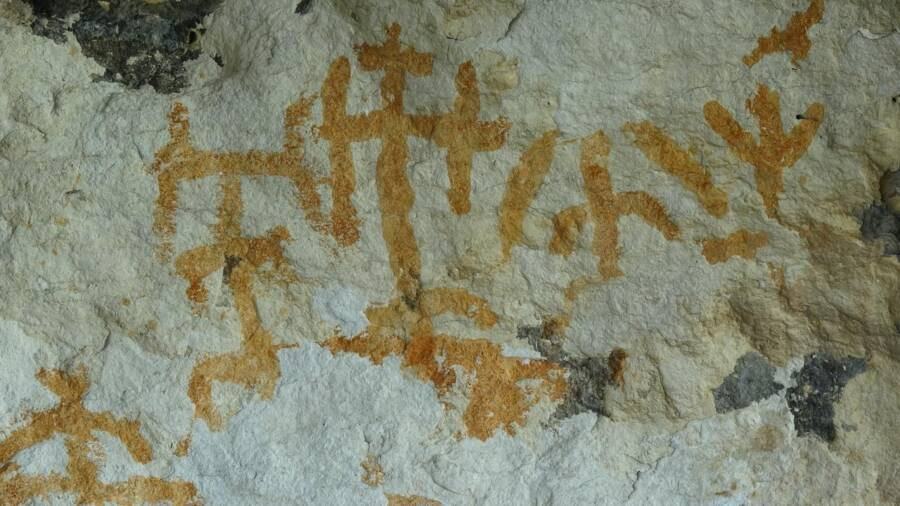
Dr. Levent highlighted that the paintings exhibit a symbolic and abstract design, differing from the naturalistic cave artworks prevalent in European sites by favoring simplified shapes, repeated motifs, and symbolic signs.
“The handprints, in particular, caught our attention. We interpreted them as a form of resistance to mortality. It is possible that people wanted to leave a lasting mark of their existence by imprinting their hands on these walls,” he added.
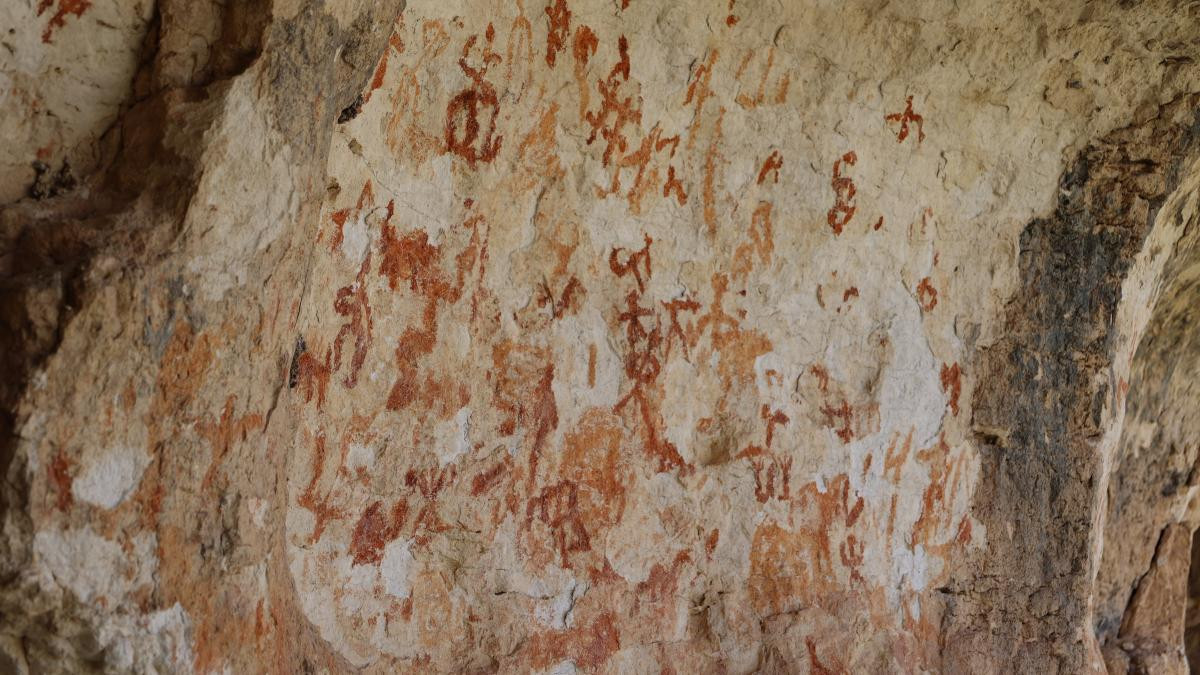
The combination of human forms, fauna, and abstract symbols has sparked hypotheses on the cave’s function, with researchers considering its potential ritualistic or belief-related significance, though Dr. Levent emphasizes this remains speculative.
Comparisons are already being drawn between this discovery and other notable prehistoric painted caves in Türkiye, such as Beldibi in Antalya, the Latmos rock art along the Aydın–Muğla border, and Doğu Sandal Cave in Mersin. The sheer count and diversity of motifs at Tohma Canyon distinguish it.
Ensuring the Site’s Preservation
The exact dating of the cave remains undetermined. Upcoming research will include pigment analysis, cataloging of the paintings, and thorough documentation of all imagery on the walls.
“We can’t put an exact date on the site yet, but our early findings suggest that some of the traces may go back to the Neolithic period. The final dating will come after carbon-14 and uranium-thorium (U-Th) analyses are finished,” he stated in the same release.
Before drawing definitive conclusions, the team intends to submit detailed reports to heritage conservation authorities, underscoring the importance of protection.
Preservation is urgent, as the cave has already experienced recent harm. Dr. Levent cautions against unauthorized excavations and treasure-seeking, clarifying there are no hidden riches within.
“If the site is properly protected and the necessary visitor facilities are put in place, it could become one of the region’s major tourist destinations. But this isn’t just our heritage—it’s part of humanity’s shared history. Protecting it and ensuring future generations can experience it is incredibly important.”
- Categories:
- Science



0 comments
Sign in to Comment