
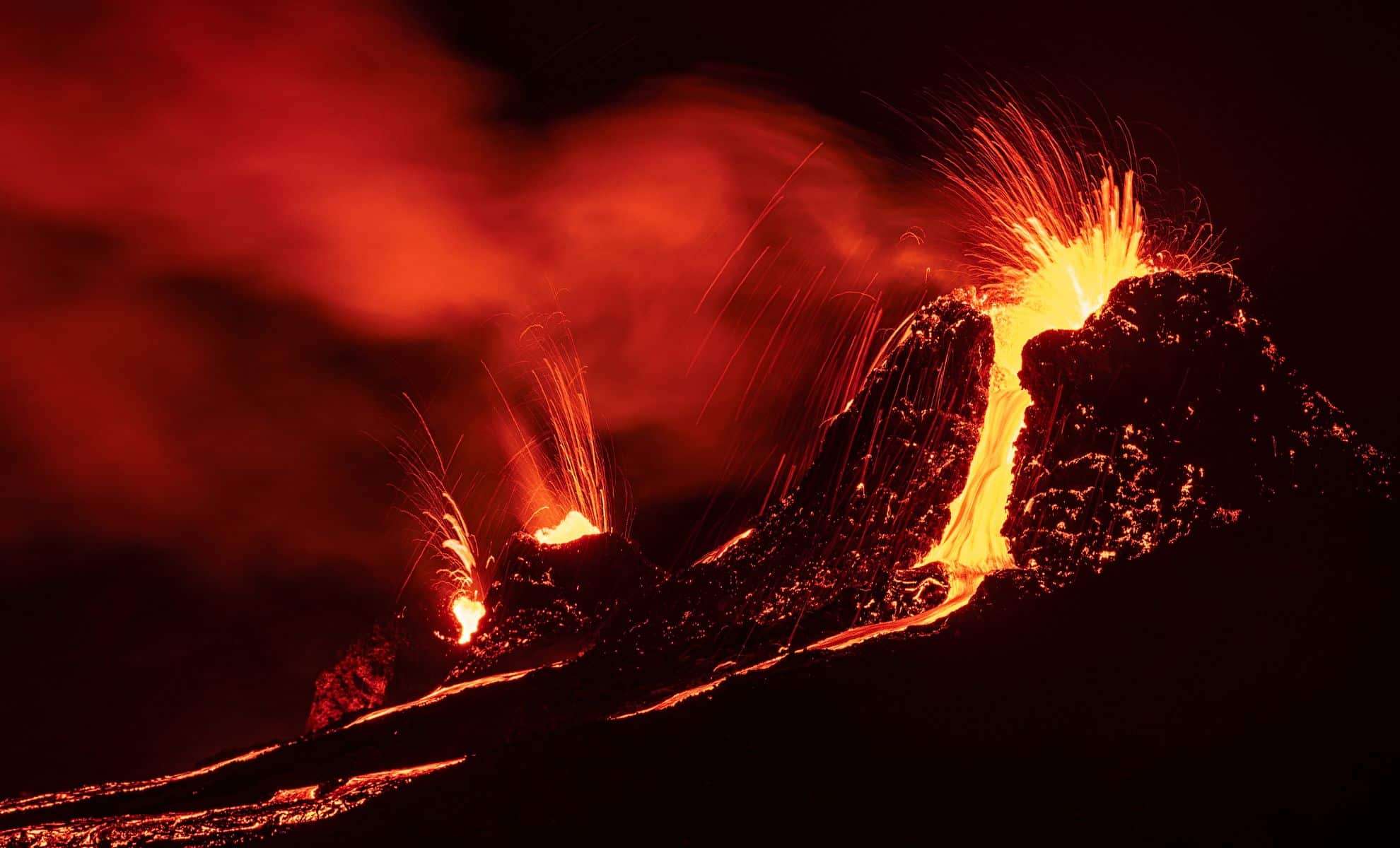
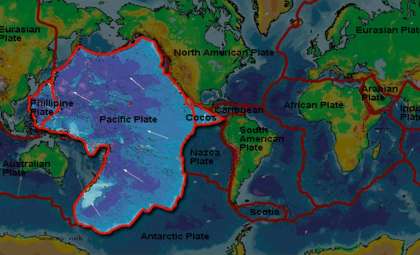
Scientists and volcanologists are raising concerns following recent intensified volcanic and seismic actions throughout the Pacific Ring of Fire. This expansive 25,000-mile region of tectonic boundaries encircling the Pacific Ocean is well-known for its frequent earthquakes and volcanic eruptions. According to a Daily Mail report, Mount Rainier in Washington has experienced its most significant earthquake swarm since 2009, prompting heightened surveillance. While immediate risks to nearby populations are limited, these developments could bring considerable long-term consequences for local environments, infrastructure, and communities.
The Pacific Ring of Fire: An Epicenter of Volcanic and Seismic Activity
Spanning from South America to Alaska, through Japan, and down to New Zealand, the Pacific Ring of Fire contains some of Earth’s most active volcanoes. This geologically dynamic zone produces frequent seismic events, including both earthquakes and volcanic eruptions. The movement of tectonic plates such as the Pacific Plate beneath adjacent plates generates intense heat and pressure, facilitating these natural phenomena.
Among the volcanoes with notable upticks in activity is Alaska’s Great Sitkin Volcano in the Aleutian Islands, which has been erupting steadily since 2021. Although currently slow and non-explosive, the ongoing lava flows pose risks due to their proximity to major air routes. Additionally, Hawaii’s Kilauea has paused its lava fountains but continues to build subterranean pressure, suggesting a possible renewed eruption phase soon.

Mount Rainier: Heightened Seismic Monitoring Amid Rising Activity
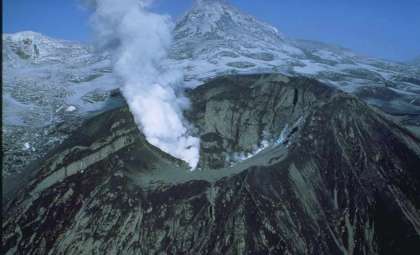
Known as one of the most prominent volcanoes in the U.S., Mount Rainier experienced over 334 earthquakes within two days during early July 2025. Though these tremors were minor (under magnitude 1.7), their frequency and closeness to the summit have escalated concerns about volcanic hazards such as lahars, or volcanic mudflows. These flows could be instigated by minor eruptions or environmental triggers like heavy rain or rapid snowmelt, rendering Mount Rainier a significant danger in the Pacific Northwest.
Despite dormancy exceeding a century, Mount Rainier’s extensive glacial ice could trigger rapid and destructive lahars threatening communities like Orting and Puyallup within minutes. Scientists remain vigilant, closely observing for magma movement or other eruption indicators.
Axial Seamount and Kilauea’s Role in Current Volcano Concerns
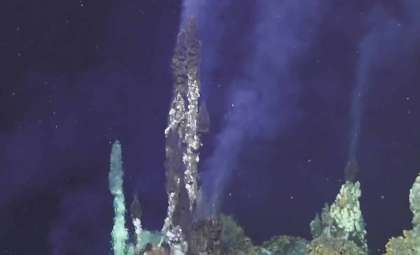
Located off the coast of Oregon, the underwater Axial Seamount is showing signs it may erupt in 2025. Although typically unnoticed by the general public, such eruptions are valuable for studying submarine volcanic processes. Monitoring such underwater activity remains challenging, but oceanographers and seismologists are actively tracking any significant shifts.
In Hawaii, Kilauea is a persistent concern. Known for its powerful eruptions, it has halted lava fountain activity, yet high sulfur dioxide emissions suggest ongoing underground activity. Researchers continue to monitor surface changes, seismic activity, and gas outflows to anticipate when the volcano might next erupt. Due to Kilauea’s proximity to inhabited areas, any eruption could seriously impact residents, as demonstrated by the 2018 eruption that destroyed hundreds of homes.
Volcanic Dangers: From Mudflows to Ash Clouds and Submarine Eruptions
Major threats from volcanic activity in the region include lahars, volcanic ash clouds, and underwater eruptions. Lahars pose a particular hazard in volcanic landscapes with abundant snow and ice, where sudden melting can create rapid, destructive mudflows. Although Mount Rainier has not produced recent lahars, the current seismic uptick may increase this risk.
Volcanic ash, such as that released in the 1992 eruption of Mount Spurr in Alaska, endangers aviation by disrupting flight paths for days. Currently, volcanic output levels remain below critical thresholds affecting air travel or local populations. Nevertheless, scientists remain alert, prepared for potential escalation.
Evaluating the Long-Term Consequences of Volcanic Activity
The surge in activity along the Pacific Ring of Fire, particularly at Mount Rainier, Great Sitkin, and Kilauea, highlights the crucial need for ongoing observation and readiness. While immediate hazards may be limited, the prolonged effects on ecosystems, infrastructure, and communities could be substantial. Advanced tools like satellites, ground sensors, and underwater seismic monitors enhance prediction capabilities.
The US Geological Survey (USGS) advises sustained vigilance around Mount Rainier due to the deadly risks of lahars even from small eruptions. Likewise, constant surveillance of Kilauea and Axial Seamount is essential to mitigate the potential impact of future volcanic activity.
- Categories:
- News

0 comments
Sign in to Comment