
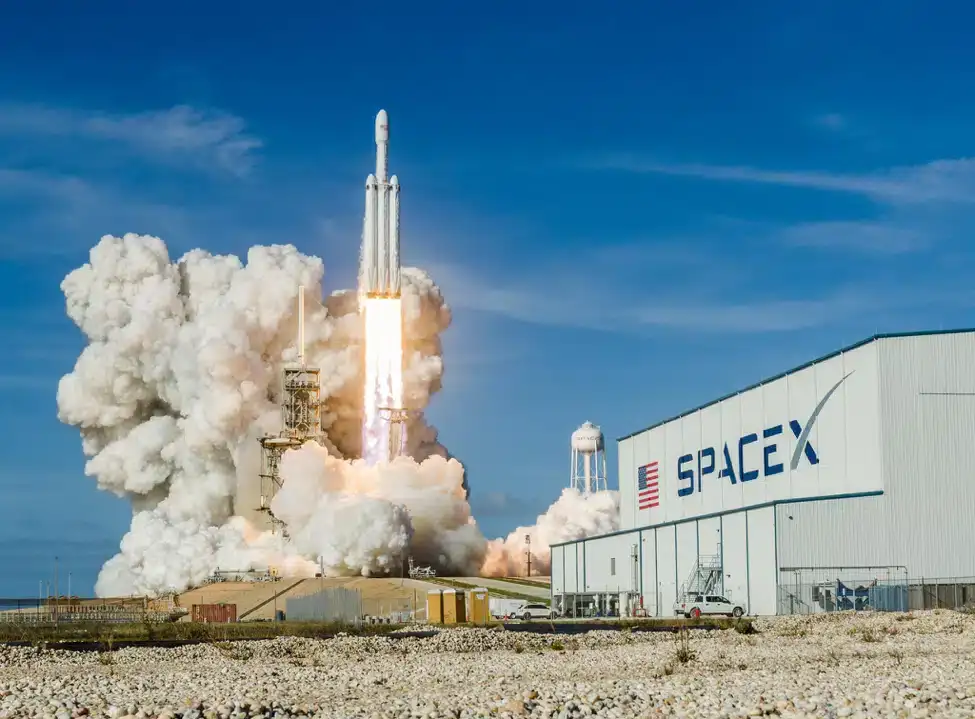
SpaceX currently conducts launches of its record-breaking Starship rocket at its Starbase facility in Boca Chica, Texas, but it aims to also operate flights from the Kennedy Space Center in Florida.
Before that can happen, the Federal Aviation Administration (FAA) must approve the project by performing an environmental review, according to an announcement released last Friday.
FAA Initiates Environmental Study for SpaceX’s Starship Launch Plans at Kennedy Space Center
SpaceX is actively developing, testing, and launching the towering 400-foot (122 m) Starship rocket at its South Texas Starbase location. The company also wants to expand operations to Florida, using Launch Complex 39A at NASA’s Kennedy Space Center (KSC), a site that already supports launches of SpaceX’s Falcon 9 and Falcon Heavy vehicles.

Back in 2019, NASA conducted an environmental assessment (EA) indicating that Starship launches at KSC would have limited effects on the local ecosystem. Since SpaceX’s plans have evolved, a more detailed investigation — an environmental impact statement (EIS) — is now required, the FAA announced on May 10.
“While the 2019 EA prepared by NASA provides an analytical baseline, the environmental impacts of these proposed changes to Starship-Super Heavy LC-39A development and operations will be specifically analyzed in this EIS,” the FAA said in a statement last week.
The Starship system features two parts, both designed for full and rapid reuse: the massive Super Heavy booster as the first stage and the 165-foot-tall (50 m) upper stage known as Starship or “Ship.” SpaceX envisions this vehicle as a game changer, potentially enabling affordable Mars settlements and other ambitious exploration missions.
To date, a fully stacked Starship has launched on three occasions — in April 2023, November 2023, and most recently on March 14 of this year. All flights originated from Starbase, with each successive mission achieving longer durations and more significant milestones.
SpaceX’s Expansion at Kennedy Sparks Environmental Discussions
Modifications to SpaceX’s Florida plans include boosting annual launches from 24 to 44 and utilizing a slightly stronger rocket variant. Additionally, SpaceX aims to recover the first-stage booster at Launch Complex 39A instead of the existing Landing Zone 1.
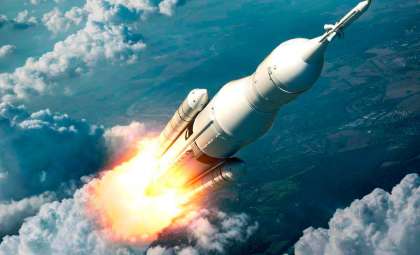
Boasting an incredible 17 million pounds of thrust at liftoff — more than double the Saturn V rocket that propelled Apollo astronauts from the same launch pad 50 years ago, and nearly twice what NASA’s Space Launch System (SLS) produced during its debut flight in November 2022 — Starship poses a higher chance of affecting the nearby environment than any other rocket launched from Florida’s Space Coast.
The very first Starship launch caused extensive damage to the launch pad at Starbase as the engines’ immense power blew apart infrastructure. Debris scattered across a wide area, including protected wildlife habitats, raising concerns among environmental advocates. In response, SpaceX reinforced the pad for future launches.
Residents near the Space Coast are familiar with the noise and spectacle of Falcon 9 launches, which generate about 1.7 million pounds of thrust, and the occasional Falcon Heavy flights producing roughly three times that. Starship launches, however, will stand apart in terms of scale and environmental impact.
- Categories:
- News ,
- Space ,
- Nasa ,
- Climate change






0 comments
Sign in to Comment