

The United States is making a significant investment of $1.2 billion to build two massive systems designed to extract carbon dioxide from the atmosphere. These groundbreaking Direct Air Capture (DAC) plants, to be located in Texas and Louisiana, each aim to remove up to one million tons of CO2 every year. That amount is comparable to eliminating emissions from 445,000 gasoline vehicles, marking a pioneering effort in the fight against climate change.
Cutting-Edge Carbon Removal Technology
This initiative leverages Direct Air Capture, an innovative method for extracting CO2 from the ambient air. The process involves pulling air through a chemical medium that binds carbon dioxide molecules while releasing unfiltered air back into the environment. Captured CO2 can then be sequestered underground or converted into useful industrial products such as concrete additives or alternative fuels like aviation fuel.
Though this technology remains in its early stages globally, with only a few operational plants, one successful example is located in Iceland and run by the Swiss company Climeworks, a collaborator on these new efforts. Climeworks has proven DAC's capability on a smaller scale, and now the US government’s backing aims to scale up these operations enough to substantially reduce global carbon levels.

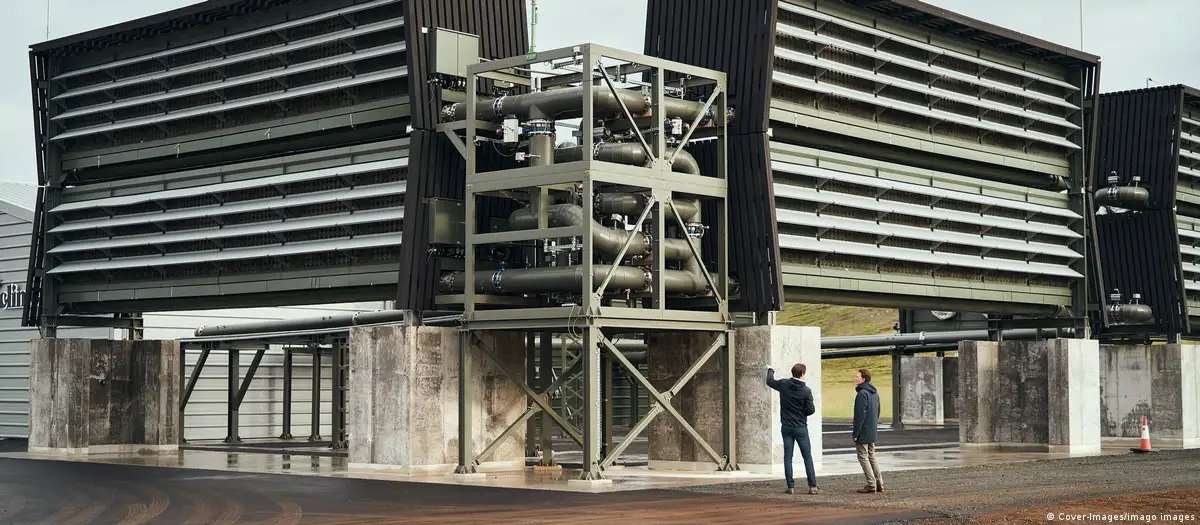
While single DAC projects might only contribute modestly in isolation, expanding this technology worldwide could be a key factor in achieving the global net-zero targets.
Funding Ambitions: The $1.2 Billion Commitment
The Department of Energy’s funding will enable construction of two plants, each capable of capturing millions of tons of atmospheric CO2 annually. Secretary Jennifer Granholm remarked, “Reducing emissions is vital but insufficient; we must also remove existing CO2 from the air.” This approach acknowledges that emission cuts alone cannot fully address climate change’s accelerating effects.
The Louisiana facility, called Project Cypress, is a collaboration between the non-profit Battelle, Heirloom Carbon Technology, and Climeworks. CEO Shashank Samala expressed optimism, saying, “Two years ago we removed just grams of CO2. At this rate of exponential growth, capturing a billion tons annually is within reach.”
In Texas, the project led by Occidental and Carbon Engineering aims for even greater scale, ultimately targeting up to 30 million tons of captured CO2 annually as part of the country’s long-term emission reduction strategy.
Obstacles in Expanding DAC Usage
Despite its promise, scaling up Direct Air Capture technologies poses challenges, particularly due to the current high operational costs. According to Jan Wurzbacher, director at Climeworks, the technology needs to become more affordable to make a meaningful climate impact. The other hurdles include technological refinement and increased efficiency to enable widespread deployment.
At present, DAC is an emerging technology with limited large-scale application and considerable expenses. However, the US government’s ambitious plan reflects confidence that DAC can reshape climate action strategies. Secretary Granholm emphasized, “Deploying this technology at scale will accelerate progress toward net-zero goals alongside ongoing clean energy expansion.”
Progressing Toward Climate Solutions
Direct Air Capture may not be a standalone answer to the climate challenge, but it offers a vital mechanism for removing excess carbon from the atmosphere. The IPCC recognizes carbon removal technologies as critical for limiting global temperature rise. The ability to capture CO2 after emissions have already been released could play a crucial role in climate stabilization efforts over coming decades.
Experts acknowledge that expanding DAC could help address hard-to-decarbonize sectors, although the energy consumption and costs involved remain significant concerns. Martin Penwald of Climeworks noted that energy used by DAC plants might sometimes be better applied directly to the power grid, raising questions about the best use of resources.
Nonetheless, this substantial $1.2 billion investment signals the US’s commitment to exploring all potential climate solutions. If successful, it could not only expand DAC deployment domestically but also encourage international adoption of similar carbon removal technologies.
- Categories:
- News













0 comments
Sign in to Comment