
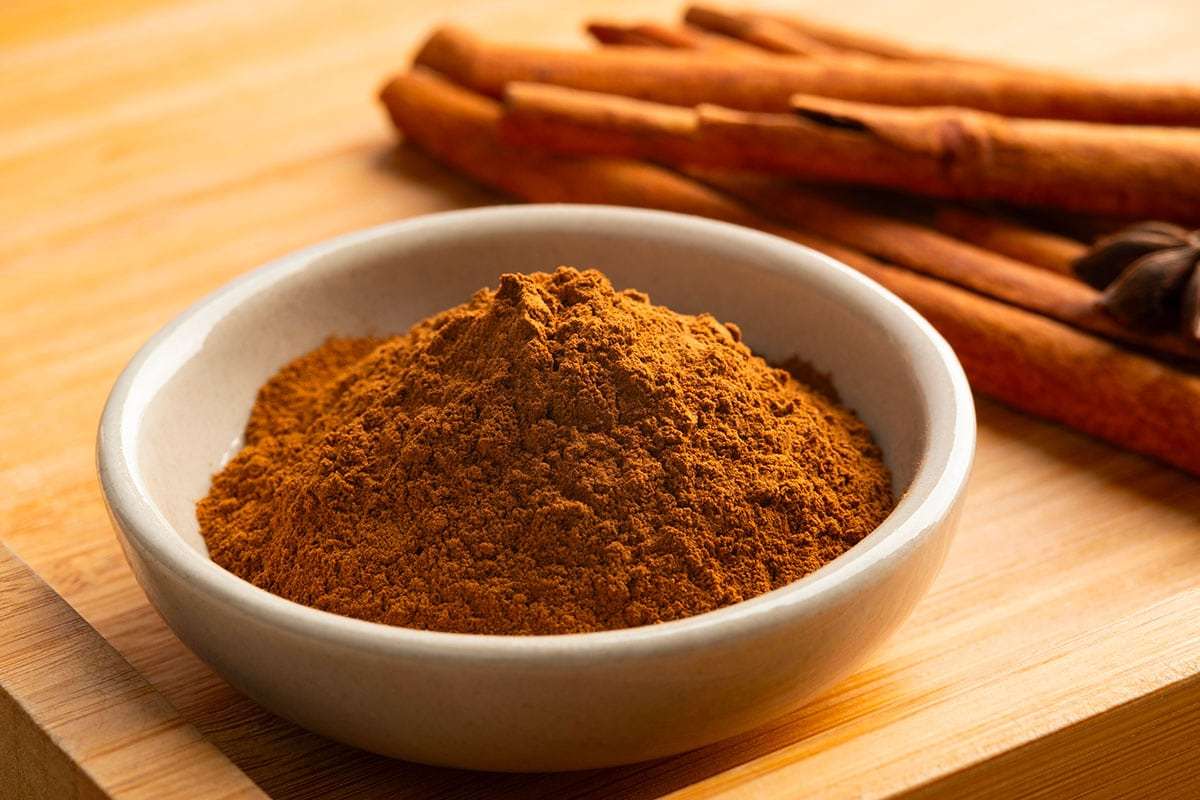
Consumer Reports (CR) specialists in food safety have issued an urgent alert for fans of ground cinnamon: It's advisable to scrutinize your spice cabinet for affected products or dispose of any risky items.
Testing revealed that nearly one-third of 36 cinnamon samples contained hazardous concentrations of lead. Some contained enough lead in just a quarter teaspoon to surpass the recommended daily intake, which could be particularly dangerous for children and pregnant individuals.
Brands Identified With Elevated Lead Levels
CR's detailed analysis highlighted multiple brands with concerning lead content. Consumers are advised to discontinue use of these products immediately:

- Paras Cinnamon Powder
- EGN Cinnamon Powder
- Mimi’s Products Ground Cinnamon
- Bowl & Basket Ground Cinnamon
- Rani Brand Ground Cinnamon
- Zara Foods Cinnamon Powder
- Three Rivers Cinnamon Stick Powder
- Yu Yee Brand Five Spice Powder
- BaiLiFeng Five Spice Powder
- Spicy King Five Spices Powder
- Badia Cinnamon Powder
- Deep Cinnamon Powder
The brands Paras and EGN, which exhibited the highest lead amounts, have responded by committing to withdraw their products from shelves.
Reliable Cinnamon Brands to Consider
Fortunately, not all cinnamon tested was unsafe. CR confirmed the following brands showed negligible or no detectable lead contamination, deeming them safe for use:
- Sadaf Seven Spice
- 365 Whole Foods Market Ground Cinnamon
- Loisa Organic Cinnamon
- Morton & Bassett San Francisco 100% Organic Ground Cinnamon
- Sadaf Cinnamon Powder
- 365 Whole Foods Market Organic Ground Cinnamon
Many other products received an “Okay to Use” rating, including store brand options from retailers like Costco, Walmart, Target, and Trader Joe's.
How Lead Finds Its Way Into Cinnamon
Lead contamination in cinnamon is not unexpected. The spice derives from the inner bark of Cinnamomum trees, which require more than ten years to mature. During these years, they absorb metals like lead from soil, particularly in regions with inadequate environmental safeguards.
Industrial pollutants can further contaminate the soil and groundwater, increasing lead concentrations in agricultural produce. Since most cinnamon is imported, it often originates from countries with weak or insufficiently enforced regulations concerning chemical residues.
Health Consequences of Lead Intake
Lead poisoning presents risks to individuals across all age groups. Over prolonged periods, accumulation of lead in the body can cause:
- Cognitive and behavioral disruptions in children
- Delays in development and challenges with learning
- Kidney impairment and reproductive health issues in adults
- High blood pressure and suppressed immune function
James Rogers, Consumer Reports’ food safety research director, highlights the risks linked to ongoing exposure:
“Even small amounts of lead pose a risk because, over time, it can accumulate in the body and remain there for years, seriously harming health.”
Recommended Actions for Consumers
Start by examining your pantry for any products from the flagged list—discontinue their use if found. While a single incident of consumption might not cause immediate harm, lead accumulates and poses risks with cumulative exposure.
For those seeking safer options, opting for organic and rigorously tested cinnamon brands is prudent. Staying informed via trusted sources and purchasing from reputable outlets can further minimize contamination risks, as noted by Money Talks News.
- Categories:
- News













0 comments
Sign in to Comment