
A groundbreaking underwater expedition is captivating audiences across Argentina in real time. Beginning on July 22, a collaborative project between CONICET and the Schmidt Ocean Institute from California has been live-streaming dives into the Mar del Plata submarine canyon, reaching depths near 3,900 meters. The live broadcasts on Schmidt Ocean Institute’s YouTube channel attract as many as 80,000 viewers simultaneously and tally over 1 million views daily.
Exploring the Abyss with the SuBastian ROV
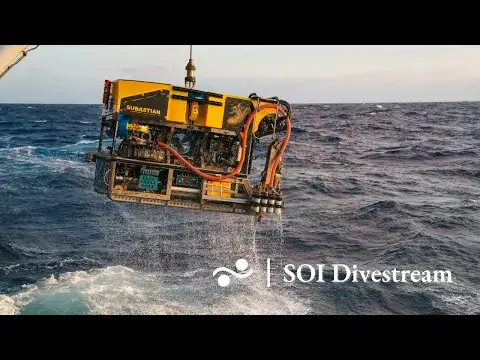
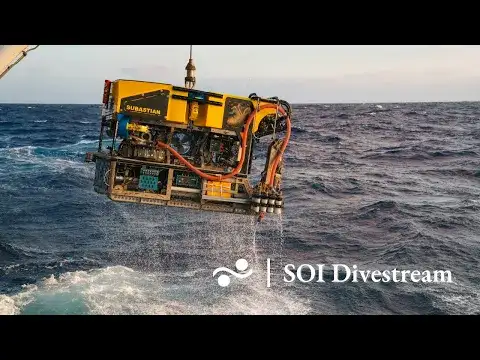
Argentine scientists are getting their first opportunity to survey this canyon using cutting-edge technology. Operating from the RV Falkor (too), the remotely operated vehicle SuBastian delivers ultra-high-definition video, generates bathymetric maps, and samples water, sediment, eDNA, and plankton through sophisticated robotic arms and landers.
The canyon extends into the South Atlantic Ocean, where the warm Brazil Current intersects with the cold Malvinas Current, creating one of the planet’s richest yet least studied marine environments.

Iconic Creatures Capture Public Imagination
The deep-sea livestream has inspired an enthusiastic online following. Some standout moments include:
- An orange starfish with a chubby central disc affectionately nicknamed Patrick from SpongeBob, which quickly became an internet sensation.
- A vibrant violet sea cucumber, humorously called “Little Sweet Potato”, enchanted audiences with its unique shape and hue.
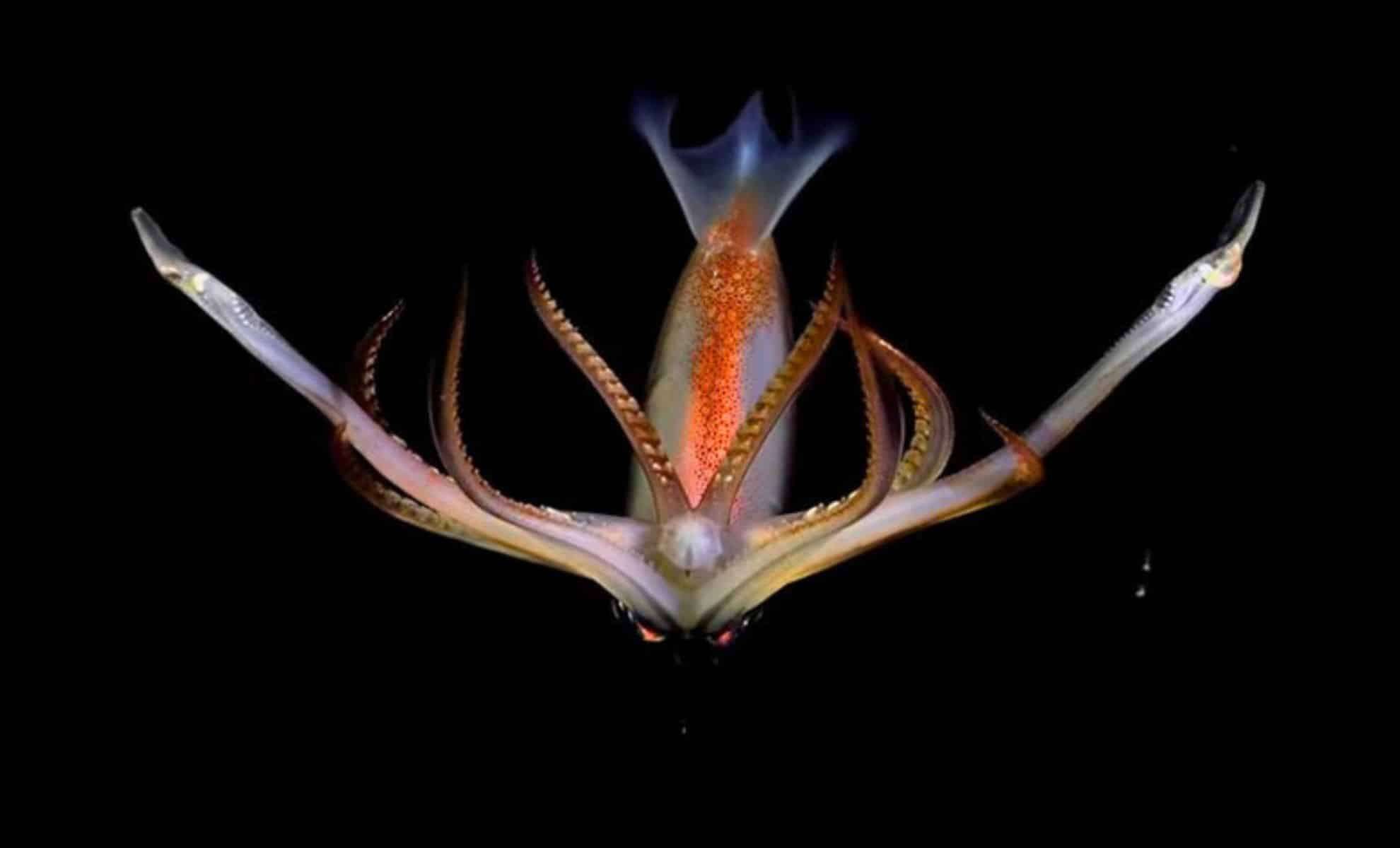
- Explorers assigned whimsical nicknames—such as “Drag Queen” crab and “translucent squid”—that highlighted the diversity of the canyon’s creatures and delighted viewers.
These encounters sparked calls from the audience wanting to preserve certain species, capturing widespread enthusiasm:
“Do we want it?” Asked a scientist on the feed.
“Yes, yes, we want it!” answered viewers.
Advancing Science with Detailed Observations
So far, scientists have documented more than 25 fish species, including deep-sea rays, observed carnivorous sponges, and discovered corals reminiscent of those in the Caribbean, among others.
Taxonomist Ezequiel Mabragaña explains how SuBastian’s visuals and sampling enable researchers to observe organisms within their natural habitats with extraordinary detail: “This technology allows us to understand the biodiversity present in various micro-environments…”
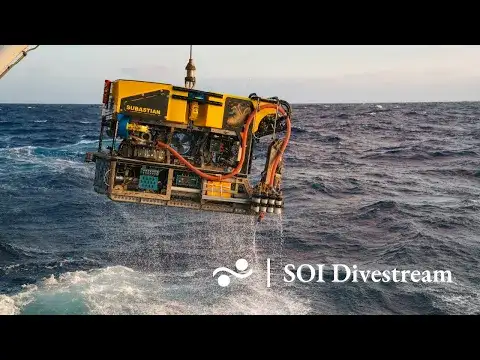
Gregorio Bigatti highlights the precision tools aboard SuBastian: “With zoom, suction, and careful sampling, we can focus on creatures just one centimeter in size, collecting samples of water, sediment, eDNA, and plankton.”
This expedition builds on earlier ones—Talud Continental I–III (2012–2013)—that relied on trawling at depths up to 3,500 meters and resulted in over 60 scientific publications. Now, it offers the first in-depth visual and ecological mapping of this submarine canyon.
Science and Public Engagement Amid Funding Struggles
Beyond research, the project has educational impact. Students from remote areas such as Camarones in Chubut have watched the live streams and engaged directly with researchers via Project Patagonia Azul, asking questions and learning firsthand from ocean explorers.
Bigatti stresses: “Understanding what we don’t yet know is the initial step toward conservation.” Yet, in a challenging climate where CONICET’s budget has shrunk by 21% and salaries for researchers have fallen by 35%, the expedition’s viral popularity serves as a call to action. A 48-hour strike has been organized to emphasize the urgent need for scientific funding in Argentina.
One government official criticized the livestream, dismissing it:
“They should livestream an offshore drilling operation instead.”
Instead, Argentina has chosen to broadcast its ocean exploration, fostering national pride and deepening public understanding of unseen marine ecosystems.
An Invitation to Curiosity
Although the expedition concluded around August 10, its influence continues. Viral sea creatures, classroom interactions, scientific insights, and policy discussions all highlight the vast unknown that remains beneath the waves—from the iconic Patrick starfish to valuable eDNA samples, revealing mysteries just waiting to be explored.
- Categories:
- News











0 comments
Sign in to Comment