
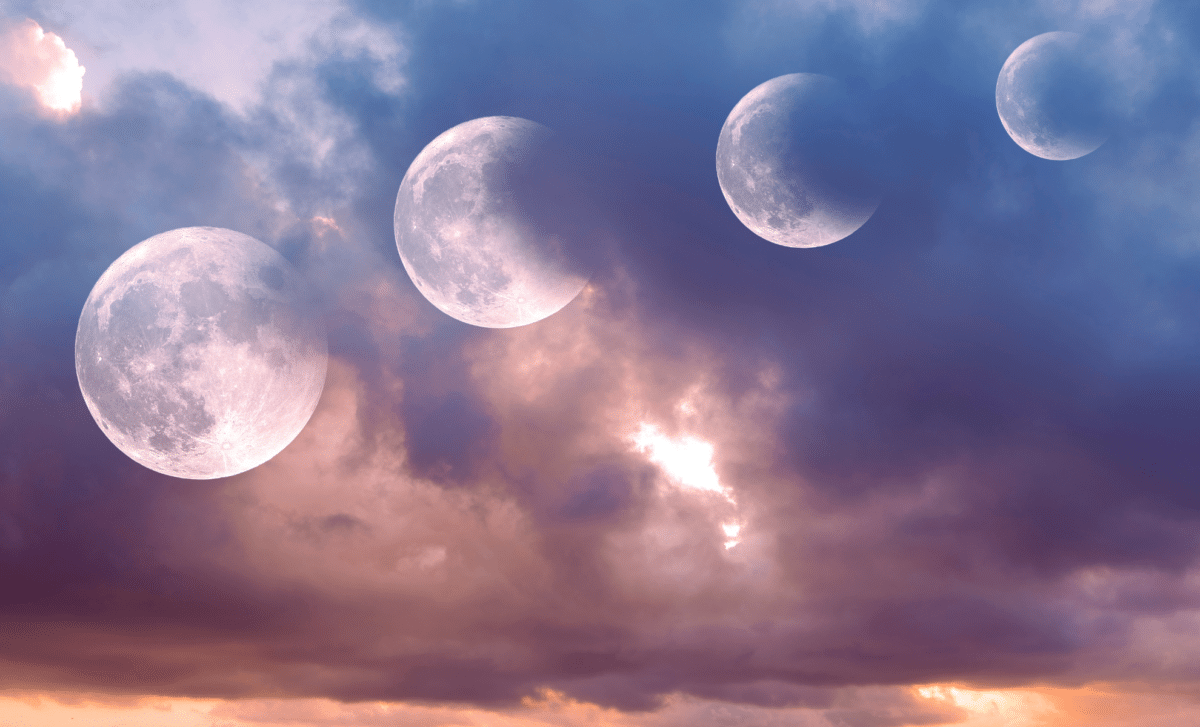
The new moon signals the start of a new lunar cycle. Though it cannot be seen with the naked eye, it plays a pivotal role in astronomical research and traditional cultural practices. The absence of moonlight during this phase creates excellent conditions for astronomers, observing eclipses, and subtle phenomena like Earthshine. But what causes the moon to disappear, and which dates are the best to catch this mysterious phase?
Understanding the New Moon Phenomenon
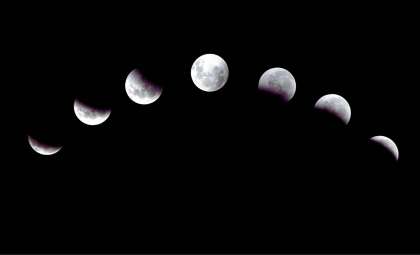
Each month, the moon aligns itself directly between Earth and the sun, directing its shadowed side toward our planet. Unlike a full moon, when the sun fully illuminates the side facing Earth, a new moon is invisible because that hemisphere is shrouded in darkness. This arrangement also means the moon rises and sets in sync with the sun, making it nearly impossible to see unless a solar eclipse occurs.
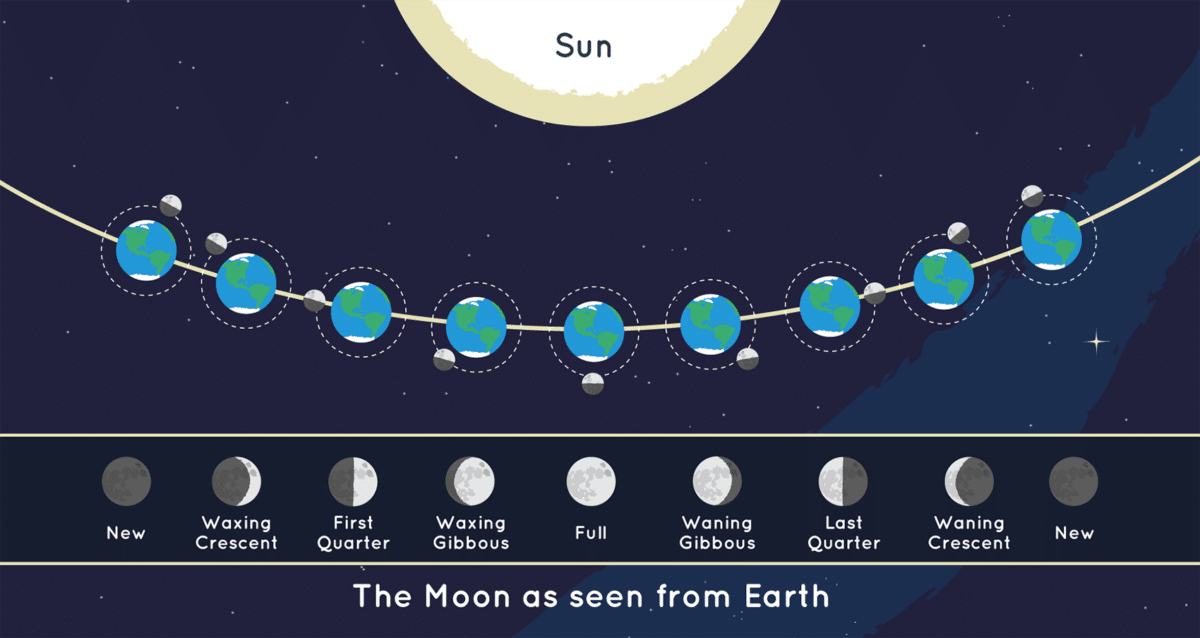
The precise instant when the moon and the sun occupy the same celestial longitude is known as the new moon. This marks the onset of the synodic month, roughly 29.5 days, which is the time it takes for the moon to realign with the sun. Although astronomically the new moon occurs instantaneously, it takes about 18 to 24 hours before the crescent becomes visible again, usually shortly after sunset.

Earthshine and the “Old Moon in the New Moon’s Embrace”
During nights near the new moon, observers can sometimes witness a stunning optical effect known as Earthshine, or the “Da Vinci glow”, described by Space.com. This occurs when sunlight reflected from Earth faintly illuminates the moon’s dark side, creating a dim, bluish-gray glow. The effect produces a haunting image of the entire lunar surface cradled within a bright crescent.
Earthshine appears most clearly during the waxing or waning crescent phases, when the moon is near the sun’s location in the sky but just starting to emerge from shadow. Although fleeting, it offers a poetic view of the celestial interplay between Earth, sun, and moon.
Decoding Black Moons: The Rare New Moon Moniker
While “new moon” is the official astronomical term, Black Moon has become an increasingly popular nickname. As explained by Time and Date, it can refer to either:
- The second new moon occurring within a single calendar month
- The third new moon during a season that contains four new moons
Though not formally recognized by astronomers, the Black Moon concept intrigues skywatchers due to its unusual timing. The next Black Moon is expected on August 31, 2027. This event will look like any typical new moon, but its rarity adds an element of fascination for astronomy enthusiasts and casual viewers alike.
New Moon Schedule for 2026: Important Dates for Stargazers
For those interested in lunar photography, observing faint celestial objects, or simply enjoying darker skies, it’s crucial to know the 2026 new moon dates. NASA’s schedule for 2026’s new moons includes:
- January 18 – 2:52 p.m. EST
- February 17 – 7:01 a.m. EST
- March 18 – 9:23 p.m. EDT
- April 17 – 7:52 a.m. EDT
- May 16 – 4:01 p.m. EDT
- June 14 – 10:54 p.m. EDT
- July 14 – 5:43 a.m. EDT
- August 12 – 1:37 p.m. EDT
- September 10 – 11:27 p.m. EDT
- October 10 – 11:50 a.m. EDT
- November 9 – 2:02 a.m. EST
- December 8 – 7:52 p.m. EST
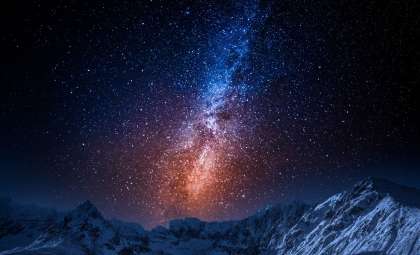
Scheduling viewing sessions near these new moon dates ensures darker night skies, improving chances of seeing fainter stars, meteor showers, or even the Milky Way, especially when located within a dark-sky reserve.
- Categories:
- News







0 comments
Sign in to Comment