

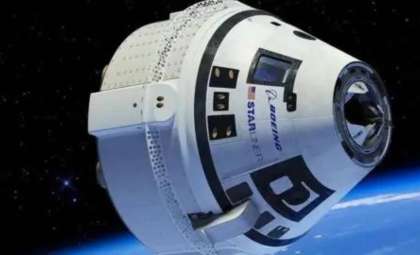
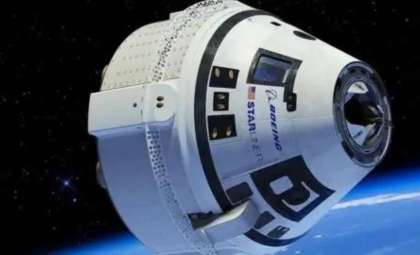
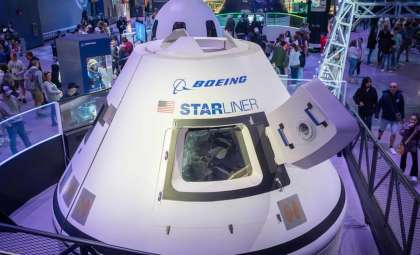
NASA's Boeing Starliner capsule is preparing for its return to Earth on Friday, September 6, 2024, concluding a mission filled with unexpected challenges.
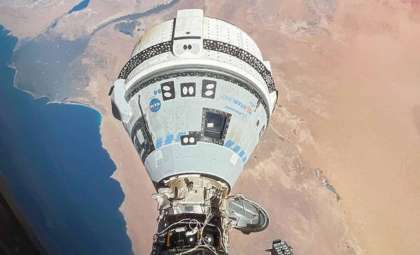
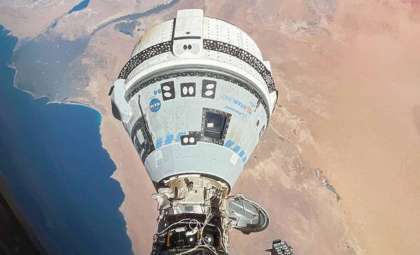
Docked at the International Space Station (ISS) since June, the spacecraft will depart from the station at 6:04 p.m. EDT and execute a parachute-assisted touchdown at White Sands Space Harbor in New Mexico.
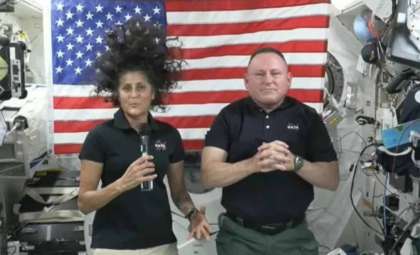
While originally intended to bring home astronauts Suni Williams and Barry “Butch” Wilmore, the spacecraft is now set to return without crew after NASA identified safety concerns involving Starliner's propulsion system.

A Mission Marked by Technical Hurdles
Launching from Kennedy Space Center on June 5, 2024, the Starliner was scheduled for a 10-day excursion to the ISS. Shortly after docking, engineers encountered helium leaks and complications with the propulsion mechanisms, including thruster malfunctions. These issues resulted in NASA extending the astronauts’ orbital stay and opting against a crewed return.
Through rigorous evaluations conducted over recent months, NASA and Boeing have determined that an uncrewed return is the safest path forward. “We are confident in the spacecraft’s systems,” stated Steve Stich, NASA’s Commercial Crew Program Manager. Nevertheless, given uncertainties about thruster performance during re-entry, NASA chose to avoid the higher risks that crewed flight would bring. Norm Knight, Johnson Space Center’s director of flight operations, remarked, “Space travel is complex. Safety margins are slim, and the environment is unforgiving—precision is vital.”
The hatch on @BoeingSpace‘s #Starliner spacecraft was closed today at 1:29 p.m. ET and the spacecraft is set to undock from @Space_Station at 6:04 p.m. ET Friday, Sept. 6.
Follow the agency’s live coverage: https://t.co/KtuhbXtfZv
— NASA Commercial Crew (@Commercial_Crew) September 5, 2024
Starliner’s Autonomous Journey Home
The capsule will operate independently during its departure, utilizing planned thruster burns to move away from the ISS and navigate toward Earth’s atmosphere. A sequence involving parachute deployment is scheduled, with touchdown expected by 12:03 a.m. EDT Saturday. Should adverse weather or technical difficulties arise, fallback windows on September 10, 14, and 18 are in place.
This landing is pivotal for Boeing as it aims to validate the Starliner’s capability to complete safe returns post-mission complications. Success here is crucial for progressing toward full certification, which is necessary before regular crewed flights to the ISS can resume. The timeframe for resolving all outstanding technical problems remains unclear.
Viewing Options for Starliner’s Return
NASA will broadcast live coverage of the Starliner’s undocking, descent, and landing phases. Audiences can watch on NASA+, the official NASA app, the agency’s official website, and its YouTube channel. Streaming begins at 5:45 p.m. EDT Friday, focusing on the undocking event.
Broadcast will then pause and resume near 10:50 p.m. EDT as the spacecraft initiates its deorbit burn and atmospheric descent. The anticipated landing occurs shortly after midnight, followed by post-landing coverage including a press briefing at 1:30 a.m. EDT Saturday.
Future Plans for Starliner’s Crew Members
NASA astronauts Suni Williams and Barry Wilmore, who were expected to return on Starliner, will stay aboard the ISS until February 2025. Their return will be via a SpaceX Crew Dragon vehicle, accommodated by changes to the upcoming Crew-9 mission, launching September 24. This mission will carry only two astronauts, creating space for Williams and Wilmore.
During this extended tenure, the astronauts will continue working on the Expedition 71 program, executing more than 40 scientific studies and assisting with station upkeep. “They are prepared to tackle any tasks presented to them,” stated Dana Weigel, NASA's ISS Program Manager, emphasizing their readiness despite the prolonged mission.
Outlook for Boeing's Starliner Program
The Starliner was designed under NASA’s Commercial Crew Program to complement SpaceX’s Crew Dragon by providing an alternative transport option to the ISS. Nonetheless, delays, malfunctions, and safety concerns have cast doubt on its immediate viability. Following the uncrewed landing, Boeing plans further ground testing and key upgrades, particularly targeting the propulsion system and other vital spacecraft components, before obtaining full certification.
NASA remains cautiously optimistic regarding Starliner’s future role but acknowledges the mission’s challenges highlight the complexities of developing dependable commercial crew spacecraft. Boeing affirms its dedication to collaborating with NASA toward resolving these issues, aiming to integrate Starliner into forthcoming ISS missions. As noted by Steve Stich, “The team will begin assessing the necessary steps to achieve full vehicle certification.”







0 comments
Sign in to Comment