
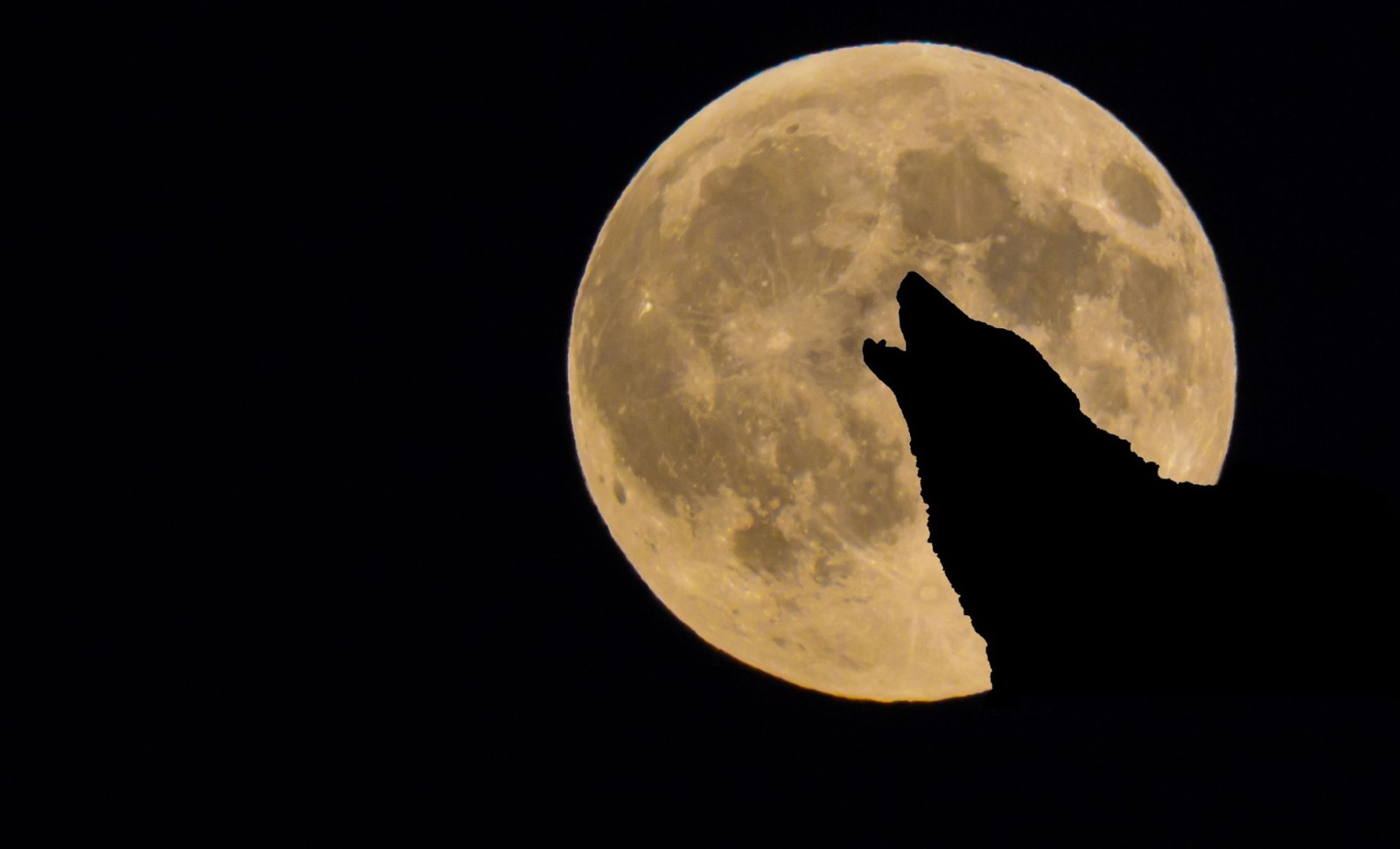
Observers of the night sky have an exciting event to look forward to on January 3, 2026: the Wolf Moon, a striking full moon that will also be a supermoon. This means it will appear around 30% brighter and 14% larger in diameter compared to the smallest full moon of the year. The January full moon has special importance as it signals the start of the year's lunar cycles. Its proximity to Earth at perigee enhances its brightness and size, granting it a distinct supermoon classification.
Timing and Viewing Locations for the Wolf Moon
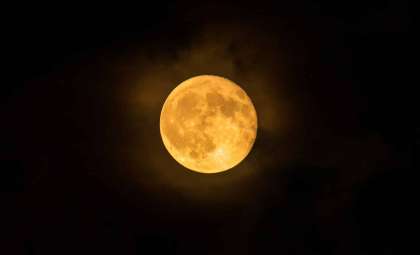
According to TimeAndDate, the optimal moment to admire the Wolf Moon will be just after moonrise in the east on the evening of January 3. Fully illuminated, it will radiate the familiar soft glow visible to moon enthusiasts. Due to the effects of light scattering in Earth’s atmosphere, the moon is expected to adopt a yellowish tint as it climbs, caused by Rayleigh scattering where shorter blue wavelengths scatter more readily than red ones.
The precise timing of the moon’s full illumination varies by region. For instance, the moon reaches its full phase at 5:03 a.m. EST in New York, 10:03 a.m. GMT in London, and 7:03 p.m. JST in Tokyo. These times mark when it is completely lit, while moonrise and moonset timings differ according to your geographic position.

Historical and Cultural Importance of the Wolf Moon
The January full moon, traditionally called the “Wolf Moon,” takes its name from wolf behaviors during the cold winter, when scarcity of food led them to howl more often. This lunar name reflects broader historical and cultural meanings.
The Old Farmer’s Almanac notes that the January moon has also been called the “Quiet Moon” or “Severe Moon” in various folk traditions, emphasizing the season’s harsh conditions. Among Canada’s Assiniboine people, it was known as the “Center Moon,” highlighting its position near the midpoint of winter.
Other Celestial Highlights Near the Wolf Moon
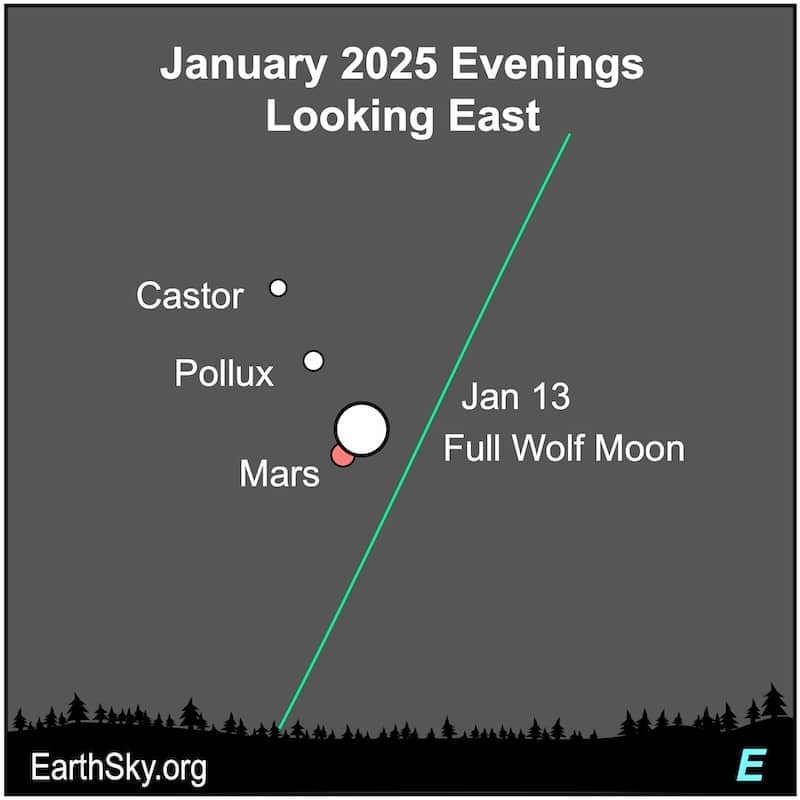
As the Wolf Moon ascends, it will be nearby the stars of Gemini. Jupiter, the largest planet in our system, will appear less than four degrees below and to the right, easily identifiable since an outstretched pinky finger at arm’s length covers about one degree in the sky, making Jupiter simple to locate.
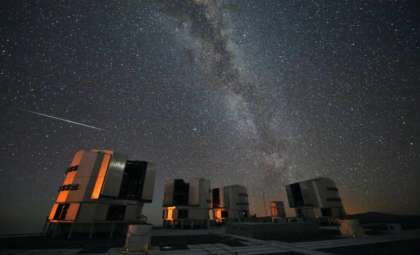
The southeast sky will feature the prominent constellation Orion, including its famous three-star belt. Above Orion, the Hyades star cluster forms the bull’s face in Taurus. Following sunset, Saturn will make its appearance in the southwest near the Pisces constellation. Additionally, the Quadrantid meteor shower peaks around this time but the brightness of the nearly full moon might obscure many of the fainter meteors.
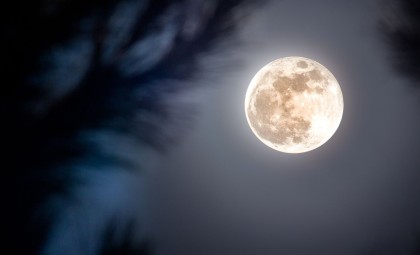
Photographers can relish this opportunity to capture the moon’s intricate features. Full moon phases highlight the dark lunar maria and ancient crater formations. With a telephoto lens or smartphone camera, enthusiasts can snap remarkable images of the moon as it rises or climbs across the sky.
- Categories:
- News





0 comments
Sign in to Comment