
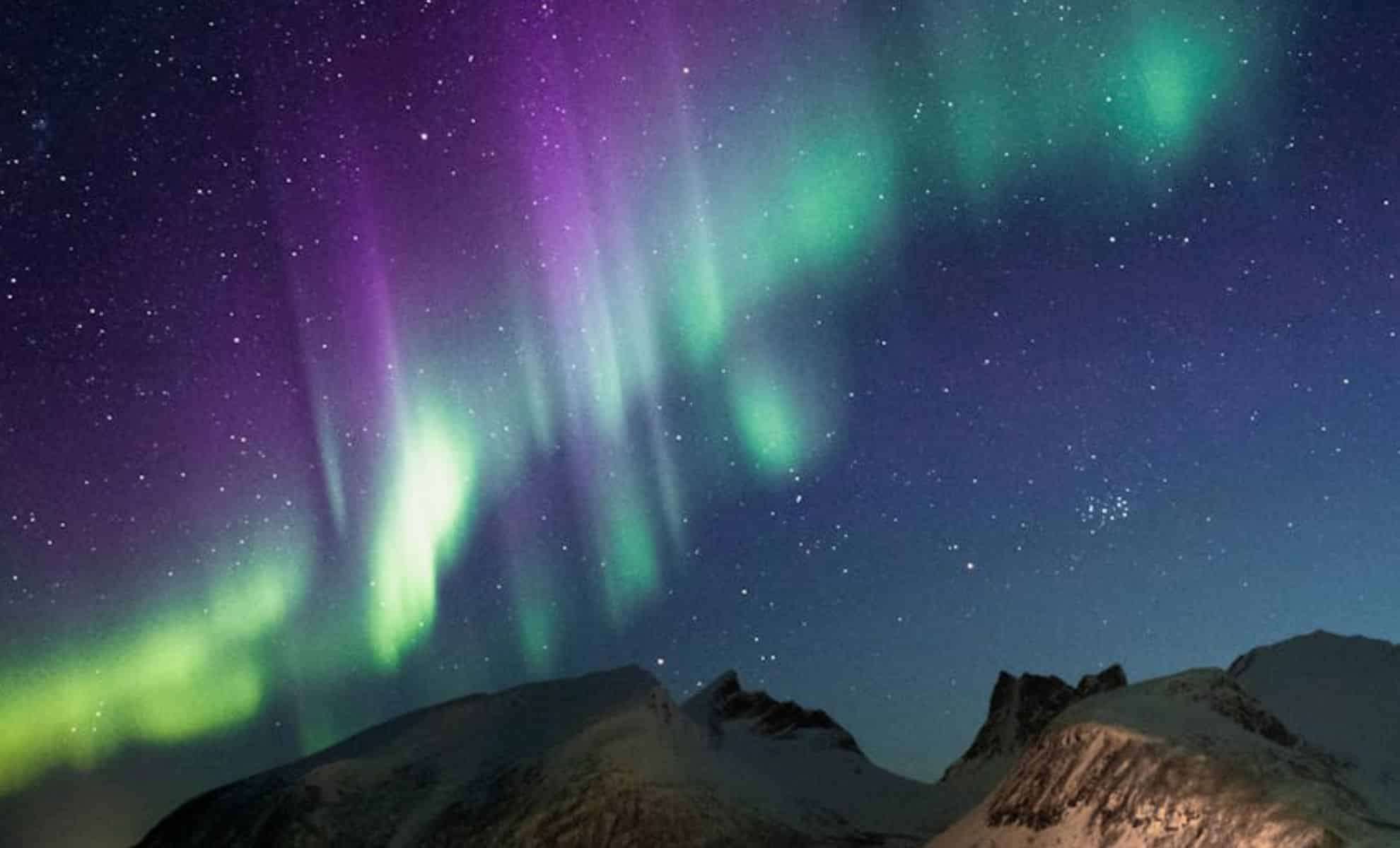
A powerful geomagnetic storm is predicted to ignite a breathtaking auroral display in the near future, as intense solar wind collides with Earth's magnetosphere. This phenomenon could extend the visibility of the northern lights—in scientific terms, the aurora borealis—well beyond their usual Arctic Circle range. Enthusiasts throughout the northern United States and Canada stand to witness this rare spectacle as solar activity peaks. However, whether the lights will appear depends on several dynamic factors.
How Does the Aurora Borealis Form?
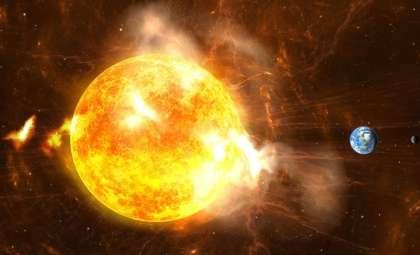
The captivating aurora borealis emerges from interactions between charged solar particles and Earth's atmospheric gases. These particles, carried by streams of solar wind emitted by the sun, especially from regions known as coronal holes, race toward Earth at high speeds. An especially fast stream of solar wind from a coronal hole is currently en route, poised to amplify auroral activity. Solar wind velocities typically range from 311 to 373 miles per second, with the approaching flow matching the upper end of this spectrum.
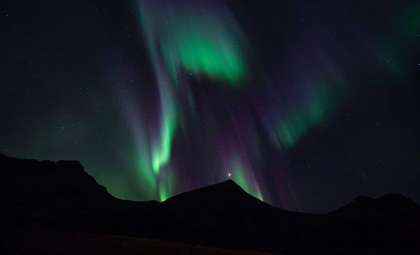
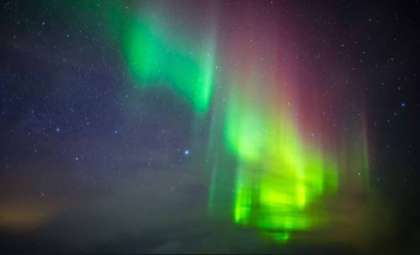
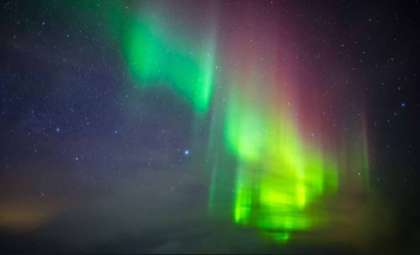
When this solar wind meets Earth’s magnetic field, it initiates a chain of reactions in the atmosphere. Oxygen and nitrogen molecules absorb energy, emitting vivid light in hues of green, red, and purple—the hallmark of the northern lights. The intensity of the solar wind influences how far south these lights can be observed; stronger solar wind can push the auroras much farther into lower latitudes, granting broader viewing opportunities.

Details on the Imminent Geomagnetic Storm
The National Oceanic and Atmospheric Administration (NOAA) has announced a G1 (minor) geomagnetic storm alert for February 13, anticipating heightened aurora activity around February 14. This surge in solar wind traveling between 311 and 373 miles per second is expected to interact with Earth's magnetosphere imminently, triggering vivid aurora displays. Energetic charged particles spark bright, colorful light shows in Earth's night skies.
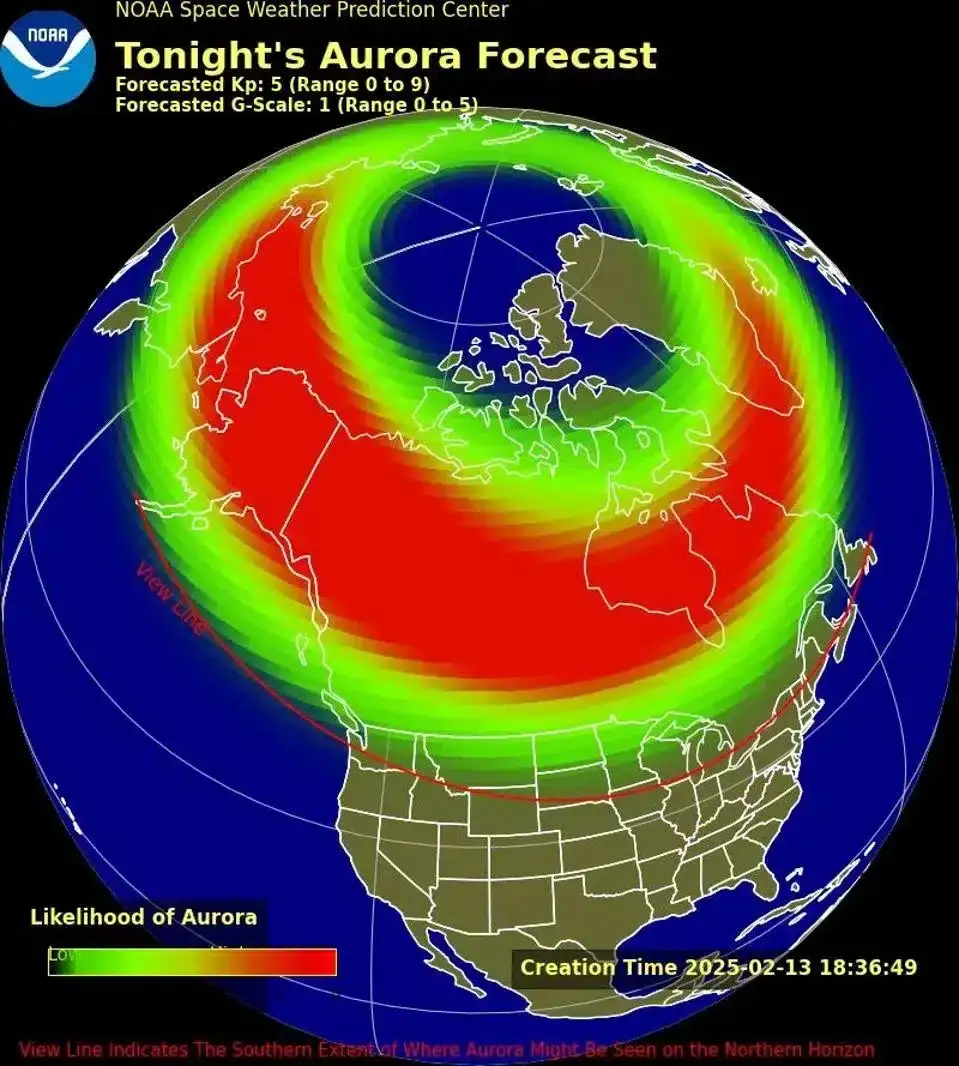
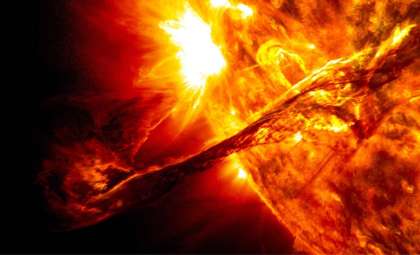
The root of this activity lies in a high-speed solar wind stream arising from a coronal hole on the sun’s surface, which has already led to G1 storm conditions earlier this week. According to Spaceweather.com, this continuing solar wind influx is expected to reach Earth’s magnetic shield by February 14, intensifying the aurora and broadening their visibility to areas as far south as northern Michigan and Maine. This presents a rare viewing opportunity for residents across the northern U.S. and Canada.
Optimal Viewing Locations and Timing for the Northern Lights
Traditionally best seen nearer the Arctic, the aurora borealis may extend its reach this time to observers in northern Michigan and Maine. When geomagnetic disturbances intensify, the northern lights can be detected significantly farther south than usual. Observers located away from urban light pollution, under clear, dark skies, will have the greatest chance of experiencing this vibrant display.
Prime viewing areas generally include Alaska, Canada, and northern U.S. states. For those living farther south, heading to isolated, dark-sky spots away from city lights will improve viewing conditions. Monitoring real-time space weather updates is crucial since solar wind conditions fluctuate. Apps like My Aurora Forecast & Alerts and Space Weather Live assist enthusiasts by providing instant alerts and forecasts.
Staying Informed on Space Weather for Aurora Watching
Due to the dynamic nature of space weather, staying updated is key for catching northern light events. Rapid changes mean that close monitoring can greatly enhance the chance to witness this dazzling natural phenomenon.
Apps such as My Aurora Forecast & Alerts and Space Weather Live provide forecasts on geomagnetic storm strength and timing, allowing observants to plan their viewing around peak activity. While sightings can never be guaranteed, having immediate access to data improves the odds of enjoying this spectacular celestial show.
- Categories:
- News






0 comments
Sign in to Comment