
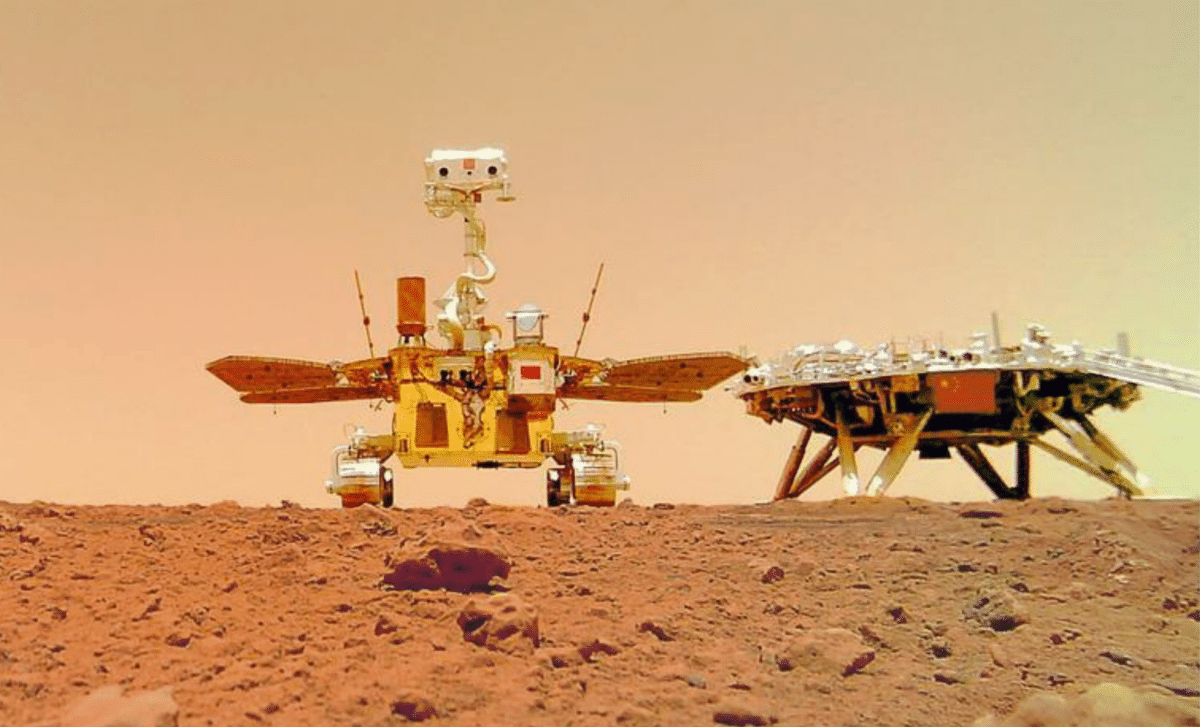
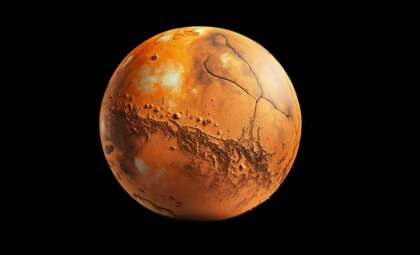
China’s inaugural Mars rover, Zhurong, has unveiled pivotal evidence extending the timeline for liquid water presence on Mars far beyond earlier estimates. A recent article in National Science Review highlights how Zhurong’s data reveals water activity on Mars persisted hundreds of millions of years longer than previously recognized. This finding reshapes our comprehension of the Red Planet’s climatic history, geological evolution, and its potential for habitability.
Uncovering Mars’ Extended Water History
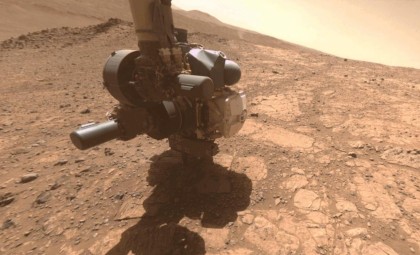
Touching down in May 2021 on Mars’ Utopia Planitia in its southern sector, Zhurong has since been instrumental in unearthing significant geological evidence. As it roamed the Martian terrain, the rover collected extensive scientific measurements, notably employing a high-frequency, quad-polarized ground-penetrating radar that functioned much like a medical CT scan. This technology allowed researchers to visualize subsurface strata, divulging crucial information on sedimentary deposits.
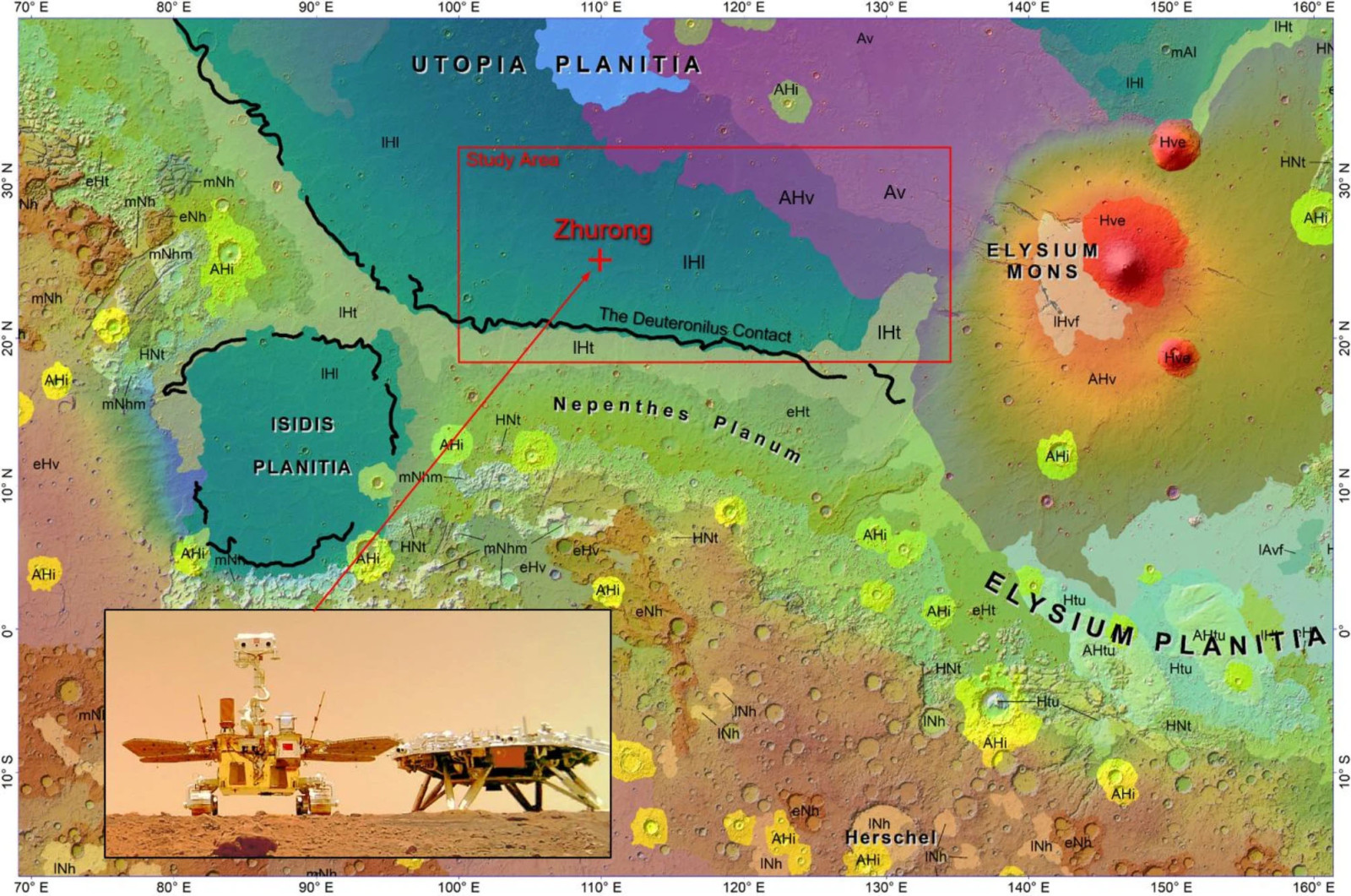
Contrary to the previous understanding that Mars became globally dry around three billion years ago, Zhurong’s findings push this period forward, proposing that surface water activity was still prominent about 750 million years ago. In the words of Liu Yike, the leading researcher:

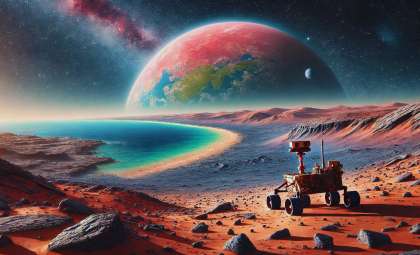
“The uniform thickness and continuity of the sedimentary rule out the possibility of volcanic eruptions or wind-driven processes. The only reasonable explanation is that this area was in an aqueous sedimentary environment at that time, similar to a shallow sea or a large lake.”
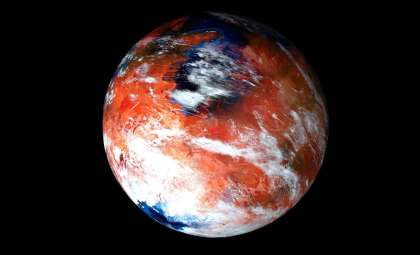
This discovery proposes that substantial bodies of liquid water persisted on Mars much later than we had once estimated. The sedimentary formations documented by Zhurong imply the planet experienced conditions possibly favorable for life, amplifying the timeline during which life-supporting environments might have existed.
Revolutionary Insights from Zhurong’s Radar Scans
Reports from Xinhua share that the rover’s radar observations detected finely layered sediments on the centimeter scale formed in an aqueous context, reinforcing the idea that water activity on Mars lasted significantly longer than formerly believed.
Zhurong’s capability to probe beneath the Martian surface has been fundamental in revealing these new details, offering valuable insights into Mars’ environmental shifts and the persistence of water over extended durations.
This compelling evidence challenges current conceptions surrounding Mars’ geological timeline. As stated by Liu Yike:
“Comprehensive analysis indicates that the landing site of Zhurong underwent a significant resurfacing event during the middle-late Amazonian Period, and that sustained aqueous activity still existed on Mars during this period.”
Such findings imply that Mars experienced notable geological transformations when water was still prevalent on its surface, reshaping the landscape and preserving traces of its ancient watery environment.
Moreover, these discoveries open promising directions for future Martian explorations aimed at locating habitats that might have supported microbial life. By examining these ancient aquatic locales, scientists can deepen their understanding of Mars’ evolutionary history and its early potential to harbor life.
- Categories:
- Space



0 comments
Sign in to Comment