
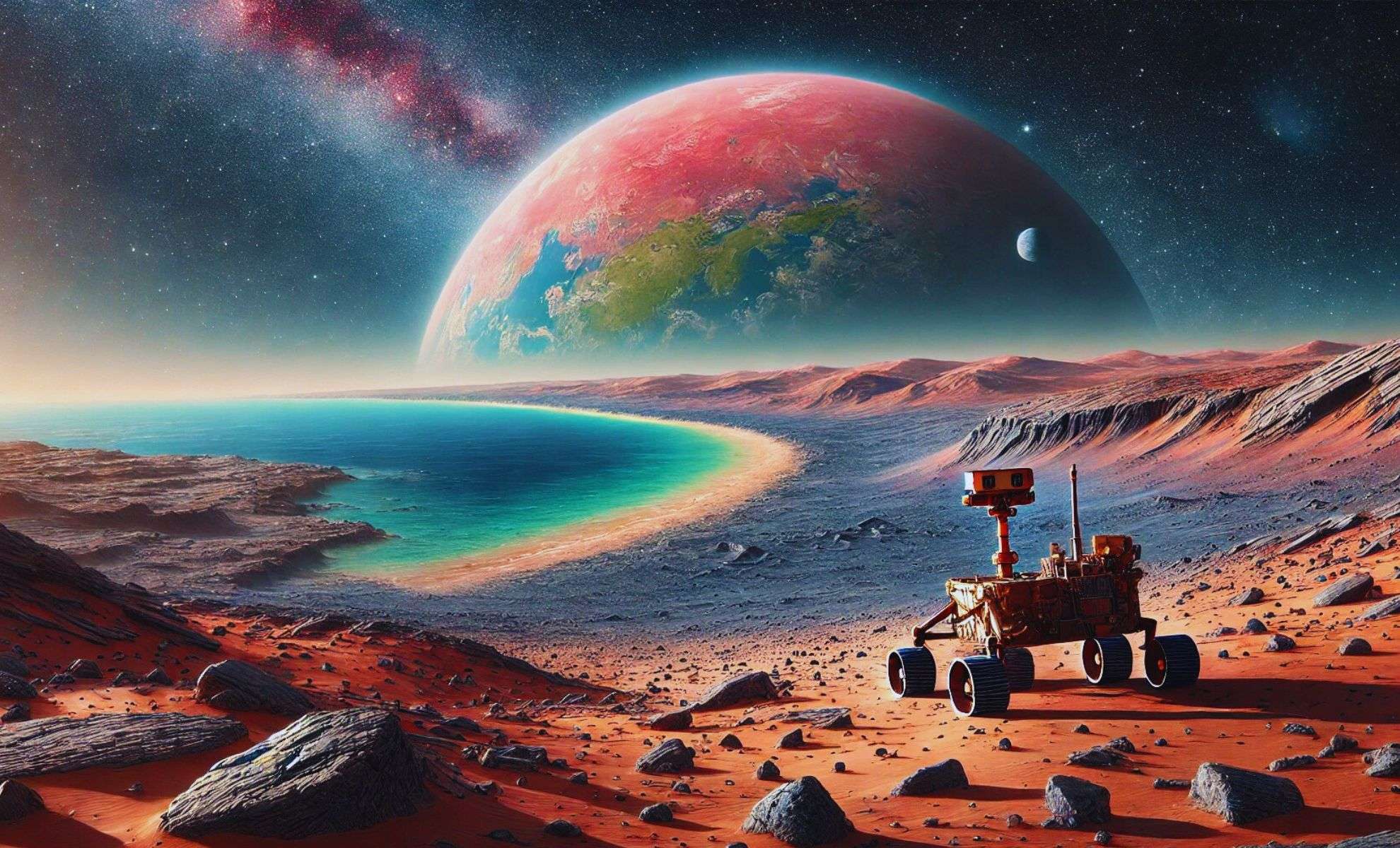
Data collected by China’s Zhurong rover offers compelling new evidence suggesting that Mars once hosted a massive ocean. This discovery could profoundly impact how scientists view the planet’s early climate and its capacity to support life. Published in Scientific Reports, the research supports the controversial idea that roughly one-third of Mars’ surface was submerged under water billions of years ago, although some experts remain unconvinced, urging caution before drawing definitive conclusions.
Investigating the Shores of Mars' Past
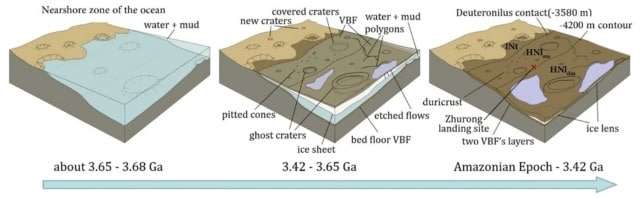
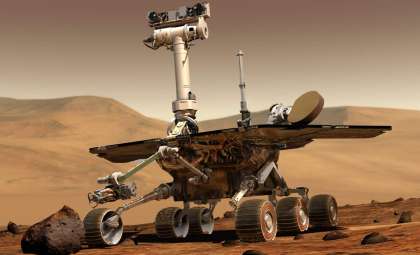
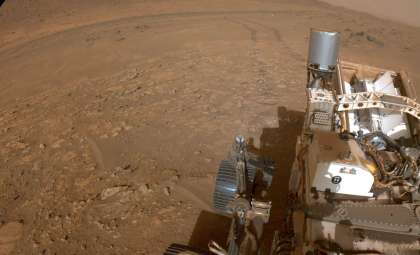
The Zhurong rover touched down in 2021 on Mars’ Utopia Planitia, a northern plain. Since then, it has been examining geological evidence indicating ancient water presence. A new study spearheaded by Bo Wu from The Hong Kong Polytechnic University highlights several geological formations near the rover’s landing spot, which align with features typically created by water or ice on Earth.
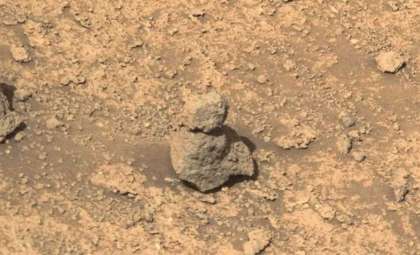
These structures include pitted cones, polygonal troughs, and etched flows—all indicative of past hydrological activity, Wu explains. A particularly intriguing discovery is a potential ancient shoreline, hinting at lingering bodies of water near Zhurong’s location.

The proposed ocean is hypothesized to have emerged approximately 3.7 billion years ago due to a massive flooding event, later freezing as it receded. Wu’s team suggests the shoreline formed as the water levels dropped around 3.4 billion years ago, gradually exposing the coast.
Controversy Persists Within the Scientific Field
Despite the promising discoveries, some scientists approach the conclusions skeptically. Benjamin Cardenas from Pennsylvania State University cautions that Mars’ dynamic climatic processes may have obscured or worn away definitive coastline features. He points out the planet’s intense winds could have eroded sediments and reshaped the terrain over billions of years, complicating the search for ancient water boundaries.
“Mars is often viewed as geologically inactive like the Moon, but it is far from dormant,” Cardenas shared with AFP, emphasizing that Martian erosion poses a significant challenge to confirming ancient shoreline structures.
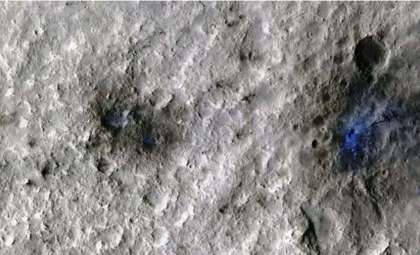
In response, Wu acknowledges erosion’s effects but notes that periodic meteorite impacts have exposed fresh rock and sediments, helping to preserve clues about Mars’ watery past.
Implications for Understanding Life Beyond Earth
The presence of a former Martian ocean carries major implications for astrobiology. If Mars once harbored vast bodies of water, it might have provided environments conducive to life, similar to those thought to be cradle sites for early life on Earth. Cardenas remarks, “The majority of scientists believe life on Earth originated in aquatic or tidal settings where water interacted with the atmosphere.”
Confirming strong evidence of such an ancient ocean would bolster the hypothesis that Mars once had conditions suitable for microbial life or other early life forms, enhancing the prospects for discovering traces of life beyond our planet.






0 comments
Sign in to Comment