
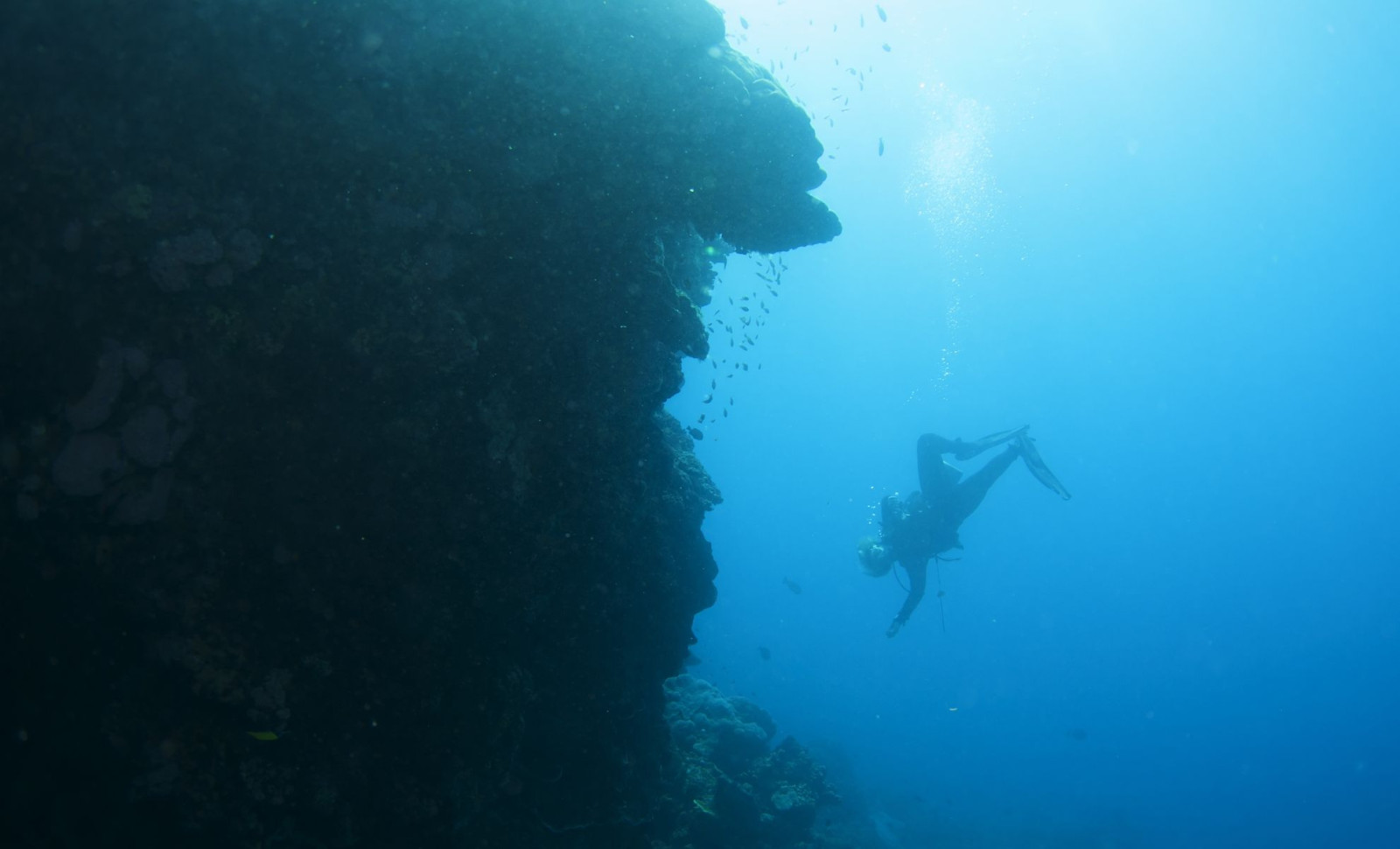
Scientists investigating the depths of Fiordland have encountered an extraordinary black coral colony standing 4 meters tall and stretching 4.5 meters wide. Thought to be between 300 and 400 years old, this giant coral represents one of the most sizable specimens ever documented in New Zealand waters.
The remarkable find emerged during an expedition into the remote deep-sea environment of the South Island’s Fiordland region. Experts captured images of the extensive coral colony, which preliminary analyses suggest could be among the country’s largest ever recorded. This protected marine organism immediately captivated the dive team with its impressive scale.
Unexpected Giant Found in Fiordland’s Depths
As detailed in a Victoria University of Wellington report, Fiordland’s waters are renowned for rich biodiversity, including some exceptionally old marine species like black corals. Marine biologist Professor James Bell described his astonishment upon encountering the enormous coral structure.

“It’s by far the largest black coral I’ve seen in my 25 years as a marine biologist. Most black corals we come across when we’re diving are small, with the bigger ones usually less than two to three metres tall so finding this one was really cool.”
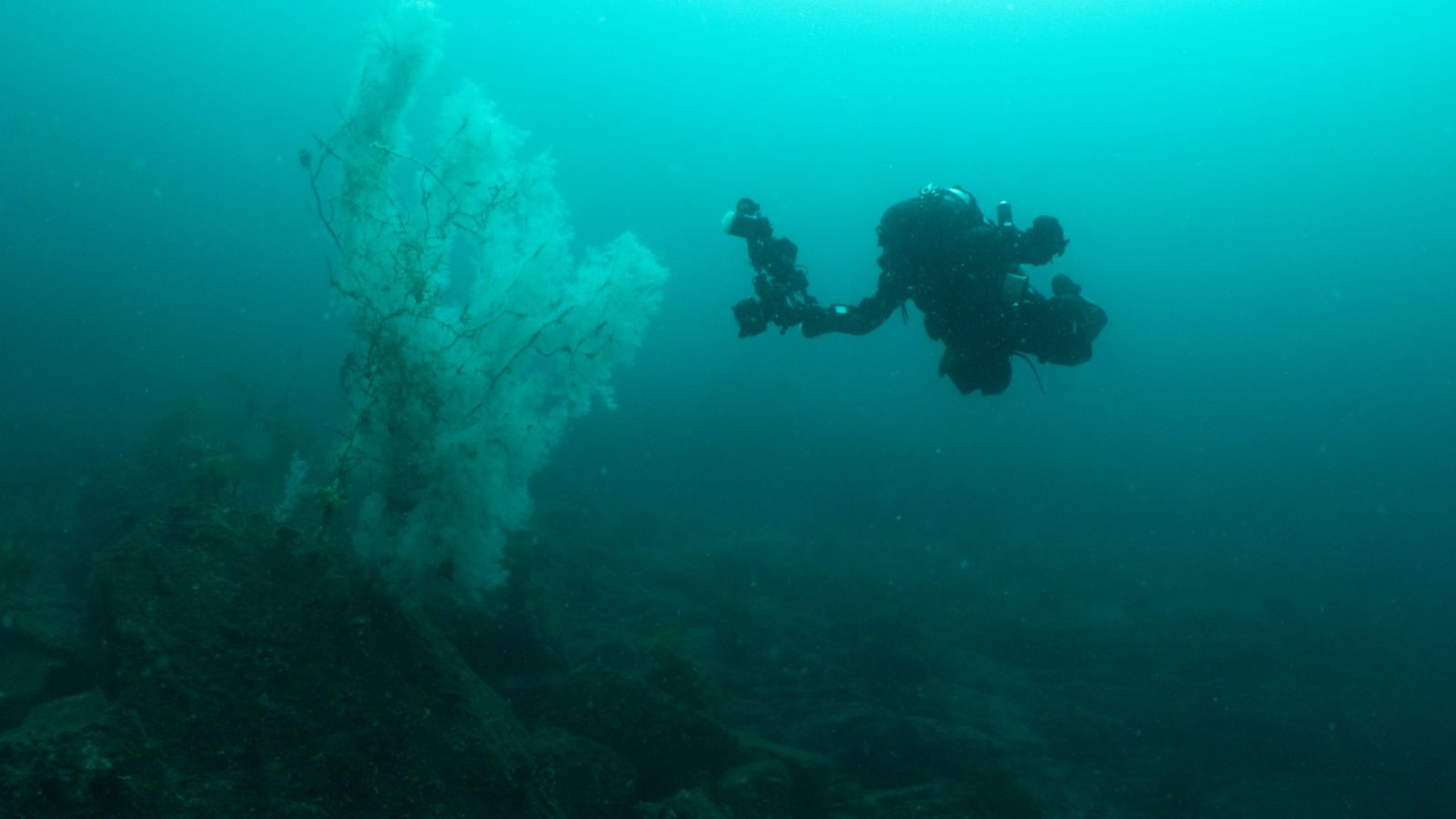
Richard Kinsey, a senior biodiversity ranger with the Department of Conservation, joined the dive and reflected on witnessing the towering coral. With nearly two decades of experience in Fiordland’s marine environments, he shared his thoughts on the discovery.
“To see such a large coral looming out of the darkness was pretty special. It’s rare to see a coral so big, it’s easily the largest one I can remember seeing,” he stated, clearly still marked by this underwater encounter.
Ecological Importance of Large Black Coral Colonies
Beyond its impressive size, this coral colony holds significant ecological value. Large coral assemblies are key because black corals grow slowly and rely on mature colonies to maintain population stability. Bigger coral colonies produce more reproductive material, vital for the species’ sustainability over time.
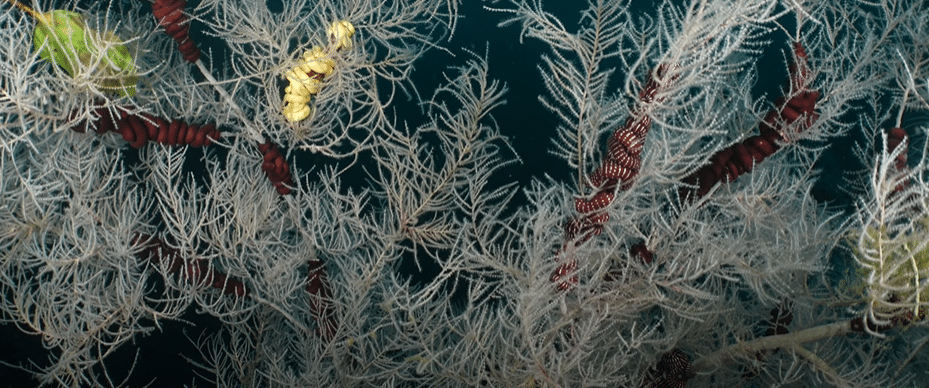
Professor Bell noted that accurately mapping habitats of large black coral specimens boosts conservation efforts.
“Pinpointing where large corals occur means we can better protect them by letting people know where not to anchor their boats or drop pots,” explained Professor Bell.
Efforts to Protect These Ancient Ocean Giants
Following the identification of this massive coral, ongoing projects aim to locate and safeguard other sizable black coral colonies within Fiordland. Researchers from Victoria University are partnering with the Department of Conservation and the Fiordland Marine Guardians to map these ancient marine organisms and enhance their protection. Professor Bell encouraged community involvement.
“We’d love to receive reports from anyone who knows of particularly large black corals that are greater than 4 m so we can map their distribution and find out how common such large coral colonies are throughout Fiordland,” he indicated.
Interestingly, although known as black coral, the living tissue appears white, with the characteristic dark color found only in its internal skeleton.
- Categories:
- Science


0 comments
Sign in to Comment