
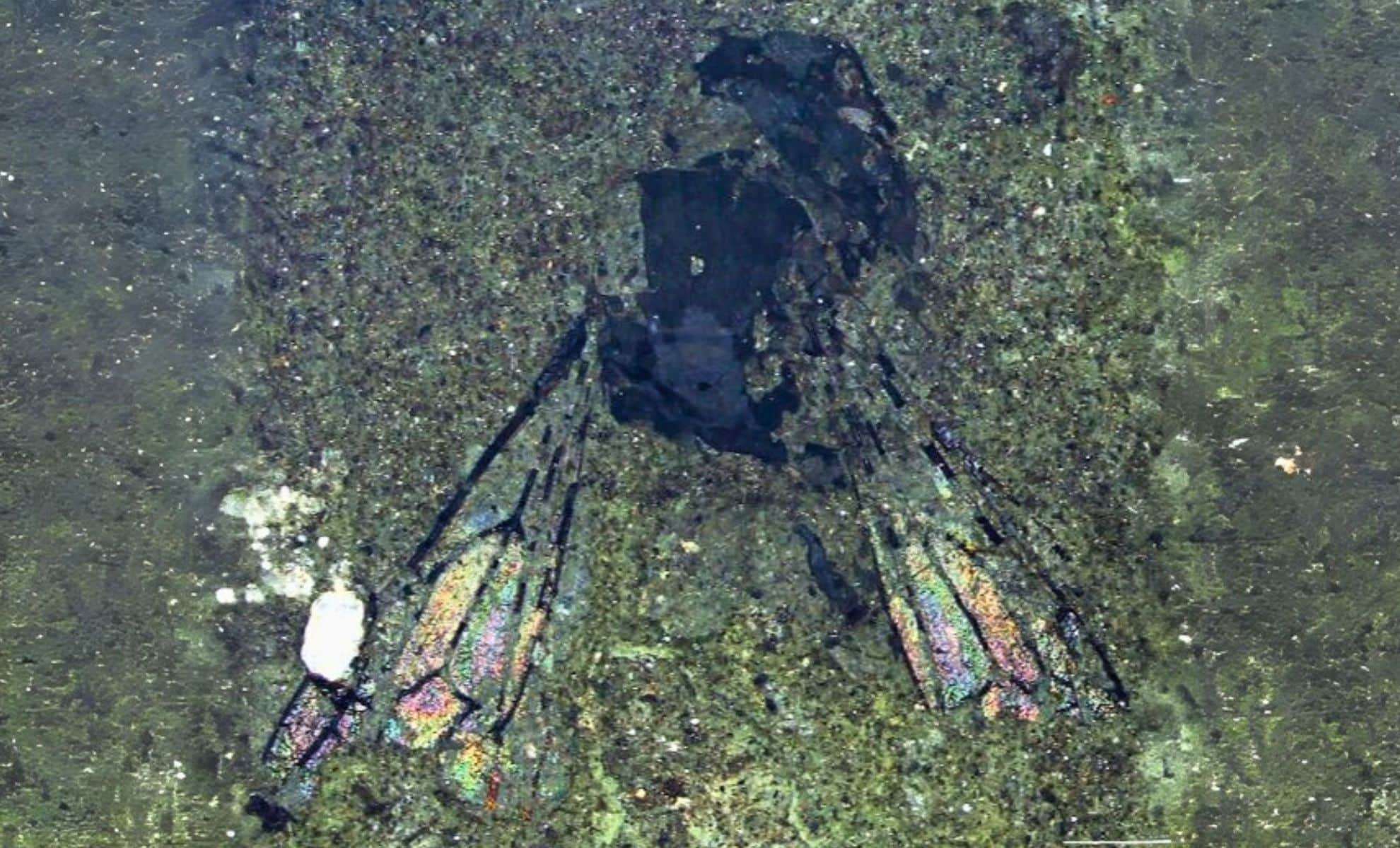
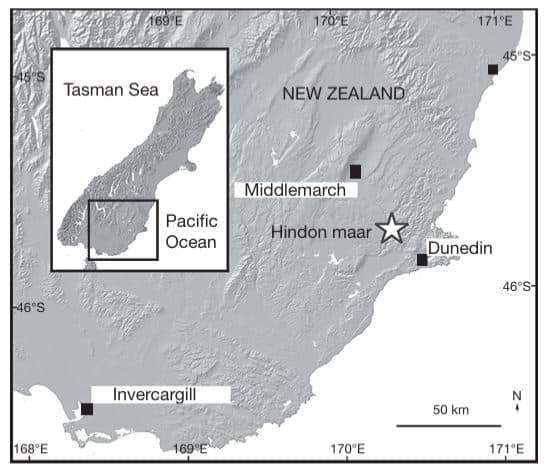
Researchers have discovered a 14.6-million-year-old bee fossil preserved in organic mudstone at New Zealand’s Hindon Maar Complex on the South Island. This remarkable find, the first bee fossil identified in the submerged continent of Zealandia, sheds light on the ancient ecological dynamics of this region. The insect, named Leioproctus (Otagocolletes) barrydonovani, offers a rare glimpse into early pollinator species in an area known for its rich insect fossil record.
The fossil was excavated near Outram, Otago, a locality famed for extraordinary preservation of insects. Unlike previously unearthed beetle and fly fossils, this bee fossil presents an intriguing enigma about the evolutionary history and survival strategies of pollinating insects in New Zealand.
A Tiny Time Capsule—Only 6.4 Millimeters Long
This female bee fossil, measuring a mere 6.4 millimeters (0.25 inches), provides valuable evolutionary information despite its size. Its wing vein morphology is closely aligned with three modern-day Leioproctus subgenera still present in New Zealand, indicating a longstanding ecological relationship between these pollinators and native flora.

Surprisingly, the current diversity of Leioproctus in New Zealand is limited to only 18 endemic species. This low species richness, despite millions of years, poses a fascinating question: why hasn’t this genus diversified extensively within New Zealand?
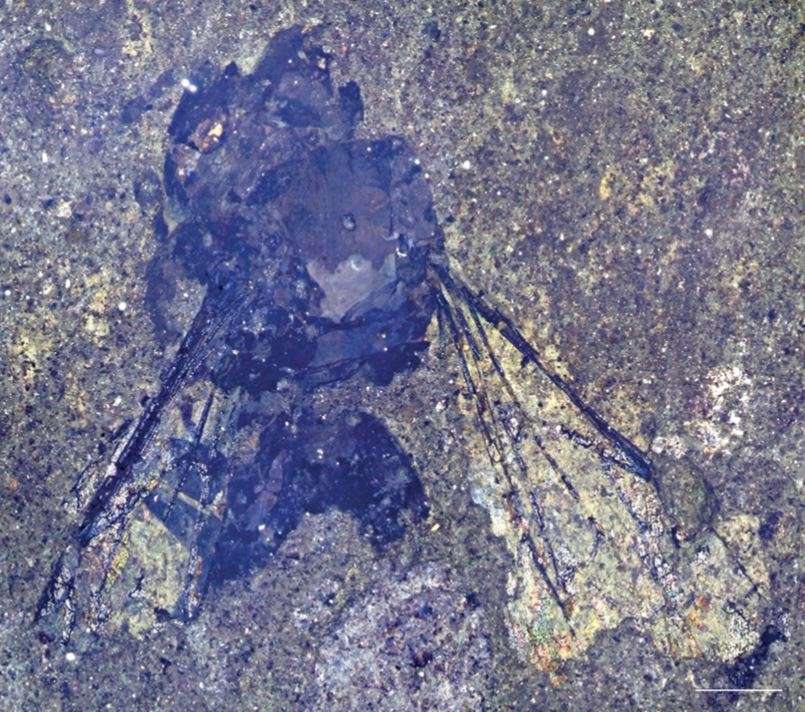
Unraveling the Puzzle of New Zealand’s Pollinator History
New Zealand’s insect fauna exhibit strikingly unusual patterns of diversity. The scientists responsible for this find propose that while some insect groups expanded significantly in isolation, others remained surprisingly restricted. The fossil evidence suggests that Leioproctus bees might have arrived in New Zealand more recently than was assumed, or their diversification may have been hindered by environmental or ecological factors.
Another theory is that several independent colonization events by different Leioproctus lineages occurred separately, rather than descending from a single ancestral colonizer. Consequently, the extant species might not be directly linked to the fossil specimen discovered at Hindon Maar.
“In fact, there are currently no data to indicate that the three groups of Leioproctus in New Zealand form a monophyletic group, and they themselves could represent multiple, younger invasions of the islands,” the study authors note.
A Lost Habitat and the Pollination Networks of the Past
The ancient bee inhabited a verdant, mixed broadleaf forest encircling a Miocene maar lake—a volcanic crater lake formed during an explosive eruption. A key mystery remains: which plants were pollinated by this extinct species?
Although no pollen was detected on the fossil itself, remains of Pseudopanax flowers, still common in New Zealand today, were uncovered in the same sediment layers. This suggests that L. barrydonovani might have been a pollinator of these prehistoric plants, indicating it played a role in ancient ecosystems.
Insights Into Zealandia’s Ancient Biodiversity
This fossil is a crucial window into the bygone world of Zealandia, a mostly submerged continent that once connected New Zealand to larger landmasses.
By examining this diminutive ancient bee, researchers aim to piece together how species colonized, adapted to, and sometimes failed in this isolated environment.
With every new fossil, scientists continue to decode New Zealand’s deep evolutionary timeline—unveiling the complex story of life on this unique fragment of crust, one delicate wing at a time.
- Categories:
- Science




0 comments
Sign in to Comment