
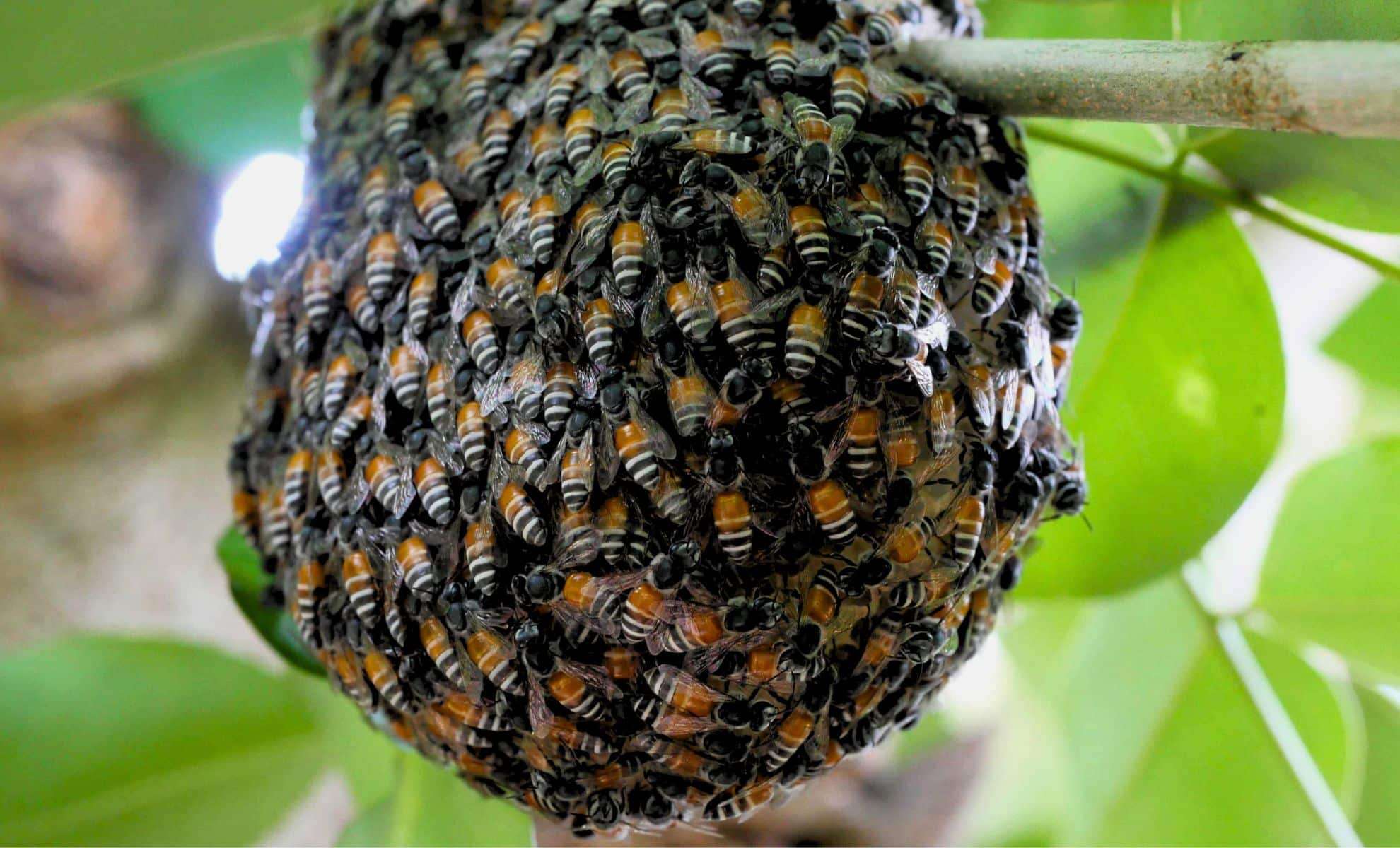
The red dwarf bee (Apis florea), native to Asia, has been spotted in Europe for the first time, causing alarm among ecologists. This invasive species, identified on the island of Malta, may threaten native wildlife and the health of European honeybee populations.
Unexpected Arrival with Significant Ecological Implications
On August 21, 2024, scientists published in the Journal of Apicultural Research that Apis florea has been found within European borders.
This small but influential bee is raising alarms over its potential effects on local pollinators, especially the European honeybee (Apis mellifera), which is already vulnerable due to various environmental pressures.

Dave Goulson, a biology professor at the University of Sussex, voiced his concerns during an interview with The Guardian:
“Apis florea is likely to compete with our native pollinators for pollen and nectar—an alarming development for insects already in decline. Additionally, these bees could be carriers of multiple diseases that European bees have little resistance to.”
Previously recorded spreading from Asia to the Middle East and Northeast Africa, this is the first verified instance of the species establishing itself in Europe.
A Cargo Ship Introduced a Colony of 2,000 Bees
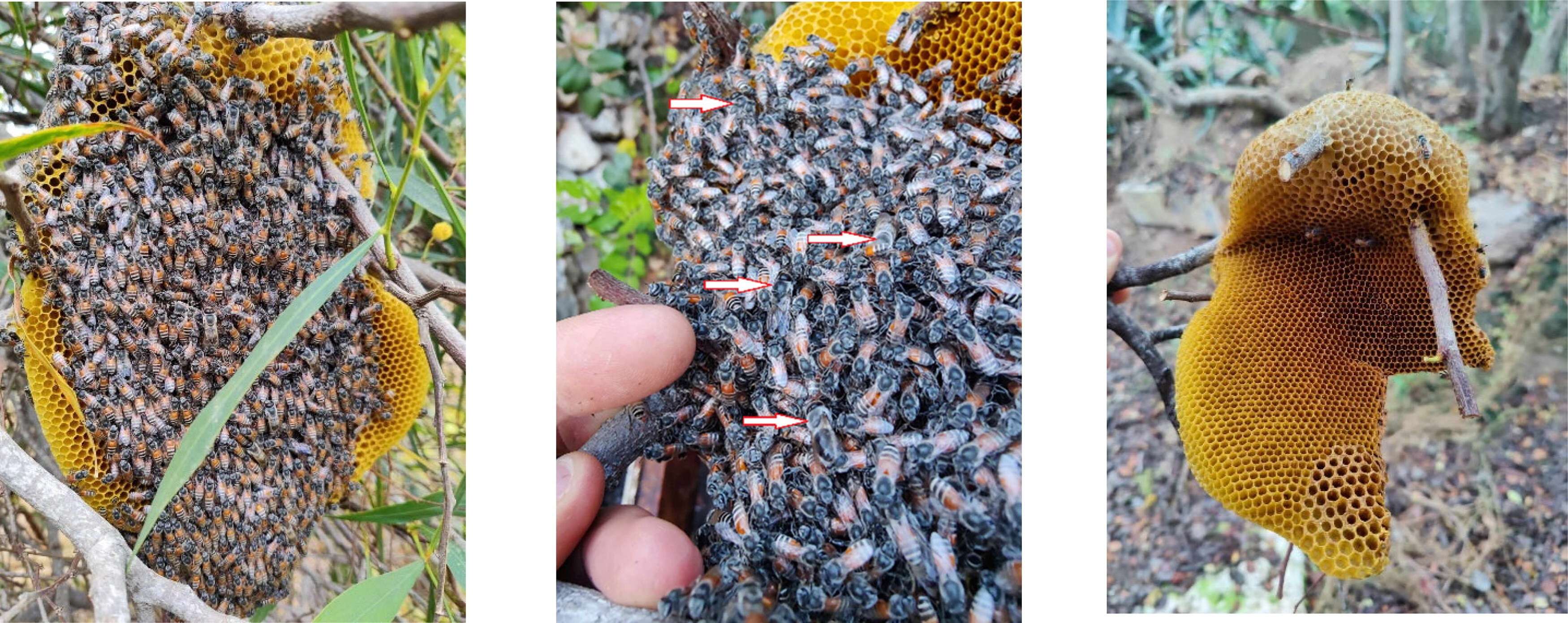
Scientists found a group of 2,000 mature bees near the commercial port of Birżebbuġa, a strategic maritime hub on Malta. Genetic analysis confirmed the bees as Apis florea, leading to immediate measures to eradicate the nest.
Despite efforts, experts worry that some bees might have already dispersed before nest removal, potentially forming additional colonies locally or in neighboring regions.
Apiculture specialist Juliana Rangel from Texas A&M University highlighted the role of shipping routes in the accidental transport of such species:
“Shipping is one of the fastest and most common ways for different subspecies of Apis mellifera, as well as other bees, wasps, and flying insects, to reach new locations far from their original habitats.”
Changing Climate Conditions Facilitate Spread
In addition to global commerce, climate change is likely accelerating the expansion of invasive species. Warmer temperatures and milder winters in Malta and other southern European areas create hospitable environments for tropical bees.
The FICSUM platform, connected to the University of Montreal, has noted this emerging pattern where climate shifts enable species to inhabit new territories.
Juliana Rangel anticipates more invasions soon:
“With the short distances between Mediterranean islands, we can expect to see more incursions like this one. Constant surveillance is essential, especially in ports, to identify and remove invasive swarms before they establish themselves.”
Red Dwarf Bee: Key Characteristics
The red dwarf bee (Apis florea) is a small honeybee species, measuring about 3.27 mm in length. It predominantly inhabits regions of Asia and parts of Africa, favoring low-elevation areas below 500 meters.
Differing from European honeybees, Apis florea constructs single comb nests exposed on tree branches. Its communication involves a distinct dance performed atop the nest surface.
While generally non-aggressive toward humans, the bee's sting can trigger severe allergic reactions in some people. The primary apprehension remains its environmental impact on European ecosystems.
Authorities are calling for enhanced monitoring of maritime pathways, swift detection of new colonies, and rapid response to curb further establishment.
- Categories:
- Nature
















0 comments
Sign in to Comment