
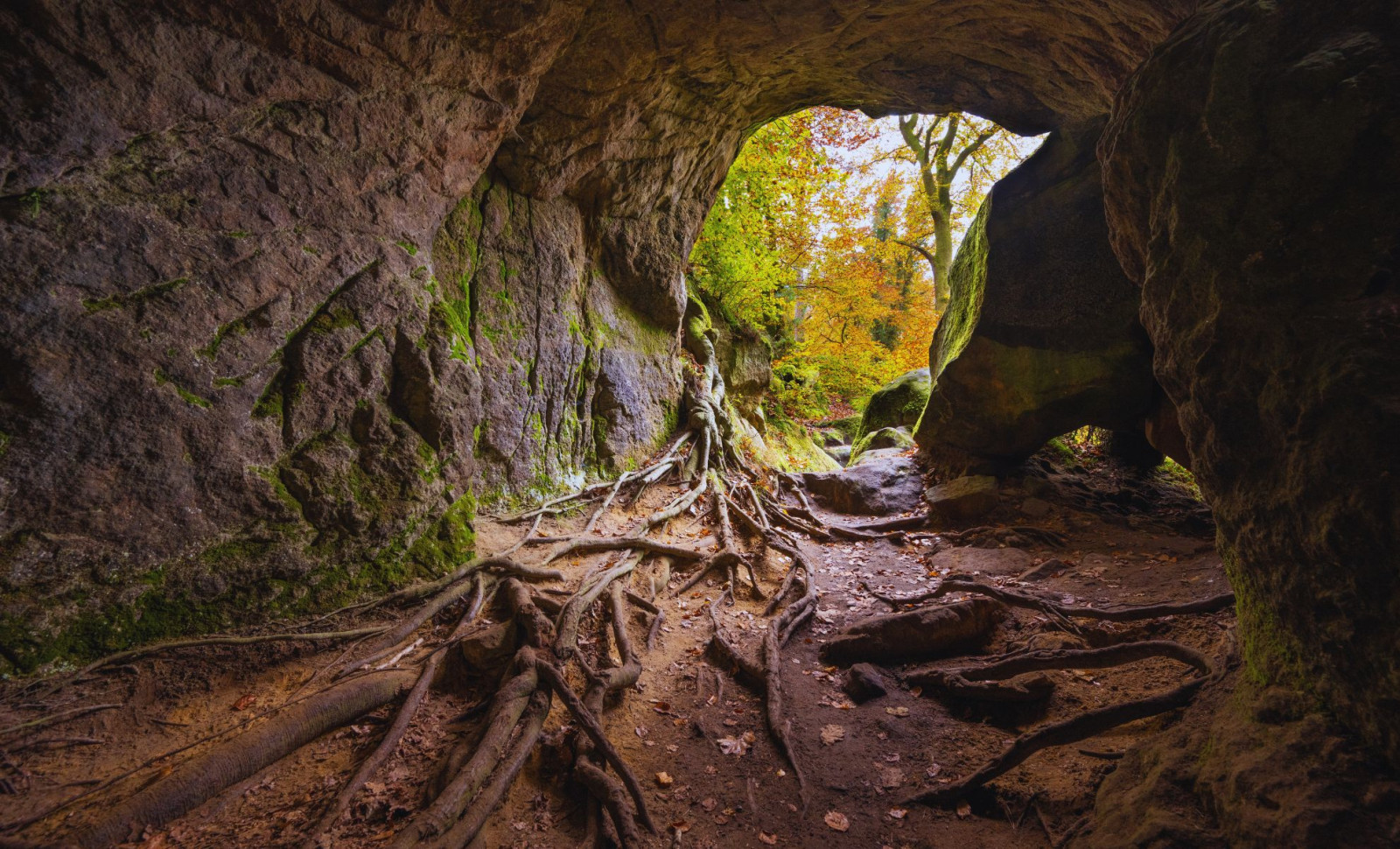
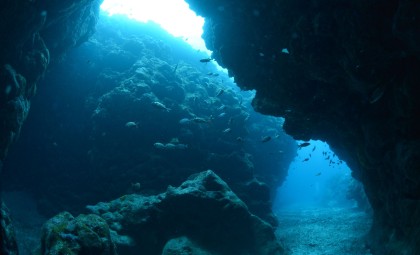
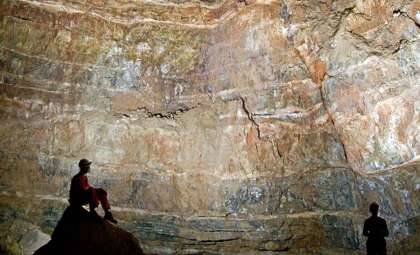
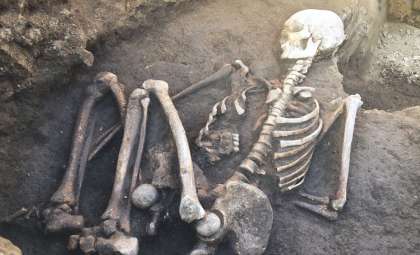
A group of paleontologists has revealed an extensive, previously hidden ecosystem inside a remote cave in New Zealand, uncovering fossils dating back around one million years. Located on the North Island near the renowned Waitomo Caves, the Moa Eggshell Cave represents what researchers call a “lost chapter” in New Zealand’s natural history. Encased within volcanic ash layers, this site is the first to document vertebrate fauna from the Early Pleistocene era in a New Zealand cave.
Although discovered in the 1960s, the cave had been largely overlooked compared to more famous local geological formations. Recent scientific investigations into its deeper strata have now led to the recovery of exceptionally well-preserved fossil specimens.
An Ancient Parrot Emerges as a Highlight
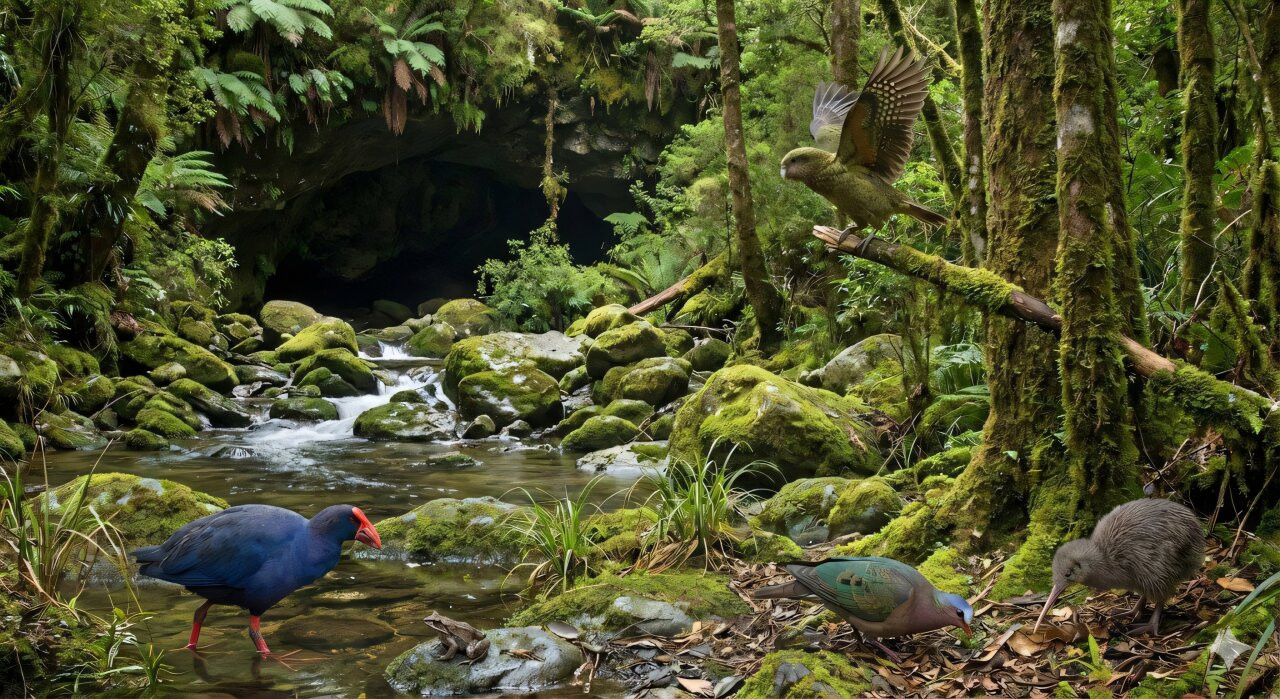
Among the notable discoveries is a newly identified parrot species, Strigops insulaborealis, which is believed to be an ancient relative of the contemporary Kākāpō. Unlike the modern Kākāpō, which is a large, flightless, and nocturnal bird, this predecessor may have retained the ability to fly.

This idea stems from the fossils showing notably “weaker” leg bones compared to those of present-day Kākāpō, indicating a different lifestyle. According to Dr. Paul Scofield of Canterbury Museum, who contributed to the study, the finds reveal a period of diverse evolutionary developments now largely vanished.
“The shifting forest and shrubland habitats forced a reset of the bird populations,” he explained. “We believe this was a major driver for the evolutionary diversification of birds and other fauna in the North Island.”
In addition to the parrot, researchers discovered fossils of an extinct ancestor of the Takahē, a large flightless bird, along with a pigeon species closely related to Australian bronzewing pigeons.
Fossil Preservation in Layers of Volcanic Ash
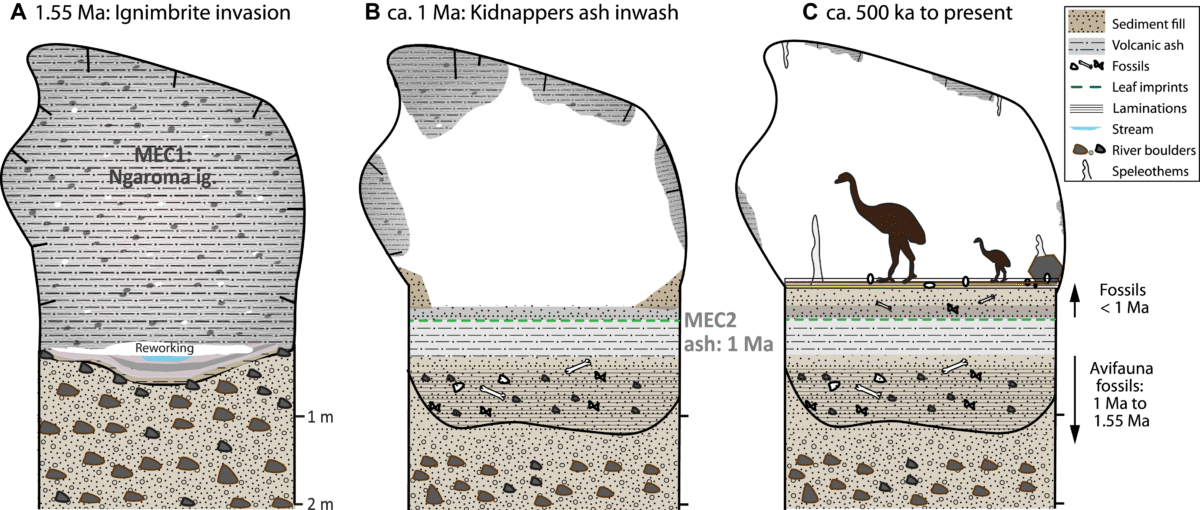
Scientists dated the fossils by analyzing two distinct layers of volcanic ash found within the cave’s sediment. The creatures are estimated to have lived between 1.55 million and 1 million years ago, a timeframe confirmed by ash deposits from volcanic eruptions that effectively sealed this ancient ecosystem. Published in Alcheringa: An Australasian Journal of Palaeontology, the cave showcases unparalleled biodiversity for this period in New Zealand.
Before this groundbreaking research, no Early Pleistocene vertebrate fossils had been documented from caves in the region. The discovery helps fill a significant gap in the island’s paleontological record, revealing early fauna previously unknown.
Pre-Human Era Extinctions Uncovered
These findings dispute the common belief that large-scale extinctions in New Zealand only began after human settlement around 750 years ago. Instead, the new fossil evidence indicates that significant species losses were already occurring. Between 33 and 50 percent of the species found in the cave no longer exist.
Lead investigator Associate Professor Trevor Worthy from Flinders University emphasizes that catastrophic natural events such as super-volcanic eruptions and climate fluctuations had a profound effect on the islands well before humans intervened. Worthy elaborates in the Canterbury Museum’s release:
“This study proves that natural forces like super-volcanoes and dramatic climate shifts were already sculpting the unique identity of our wildlife over a million years ago.”
By comparing the fossil record from Moa Eggshell Cave with other sites, the researchers concluded that major volcanic events and intensified glacial-interglacial cycles were key in shaping New Zealand's distinct and delicate biodiversity.
- Categories:
- Science


0 comments
Sign in to Comment