
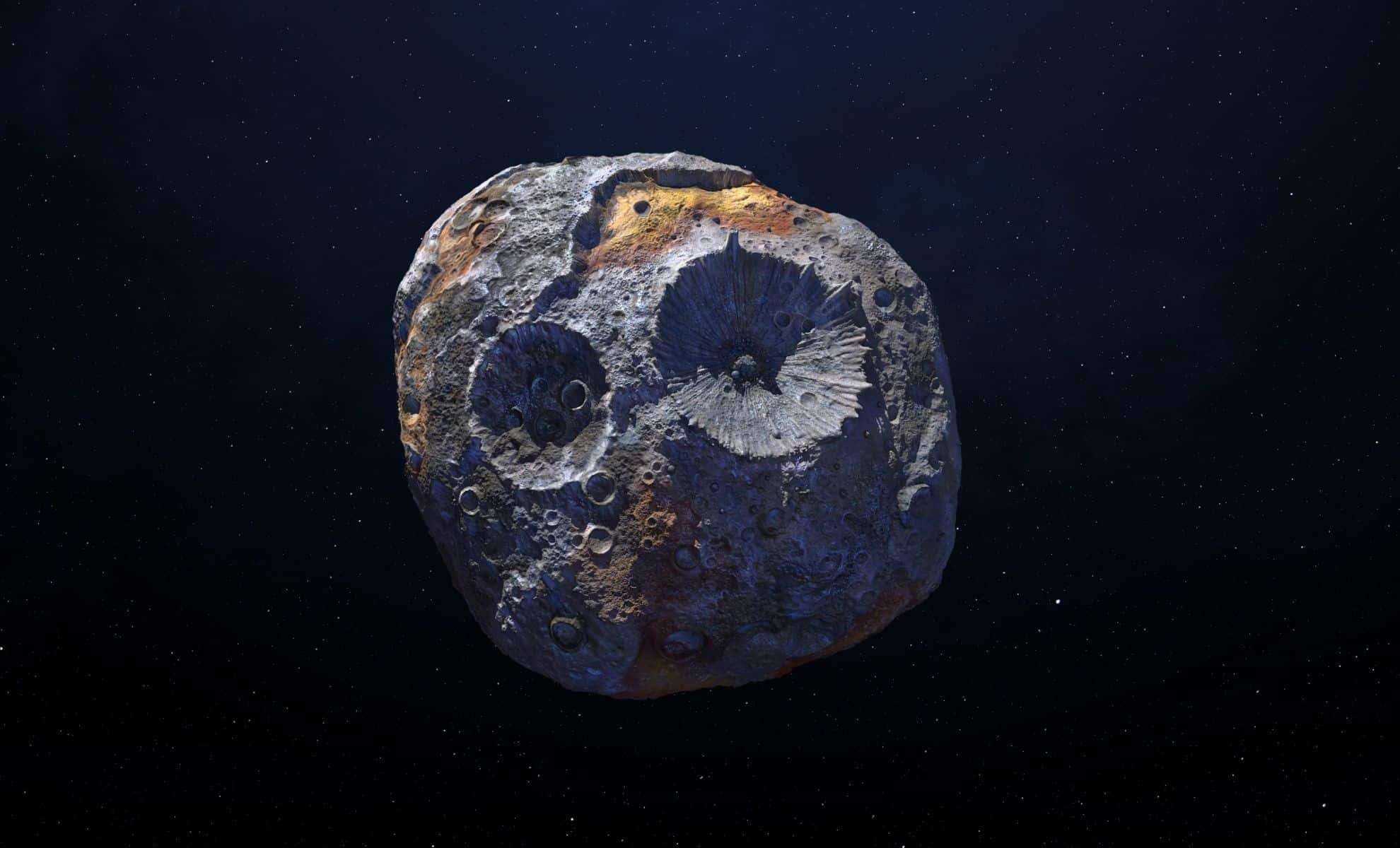
An asteroid roughly the length of two football fields, named 2024 ON, is scheduled to make a close pass by Earth later this month.
The Virtual Telescope Project reports that this object will fly past our planet at about 620,000 miles away on September 15, 2024. While this distance may seem vast, it is relatively close on a cosmic scale—approximately 2.6 times the distance separating Earth and the Moon.
Essential Facts About the Upcoming Flyby
The asteroid 2024 ON measures about 720 feet across, making it one of the more sizable near-Earth objects to approach this closely in recent memory. Its impressive size and proximity create an excellent opportunity for detailed scientific observation. Starting around 2:30 PM (ET) on September 15, 2024, people in the Northern Hemisphere may be able to spot the asteroid during its closest approach.

Close encounters with asteroids of this magnitude tend to occur approximately once every ten years, marking this event as particularly noteworthy. Scientists have tightly tracked the trajectory of 2024 ON, confirming it presents no danger to Earth. The asteroid will safely pass by, allowing for an exciting observation without any risk.
Astronomers are especially eager to study this flyby to collect detailed information about the asteroid’s makeup, velocity, rotation, and orbital path. Such insights are vital for improving predictive models of near-Earth objects and enhancing our knowledge of the dynamics within our solar system. Each close approach helps unravel mysteries about these space rocks, which remain important both scientifically and in terms of planetary defense.
Viewing Information for Enthusiasts
Those interested in witnessing this event can look for asteroid 2024 ON from the Northern Hemisphere. With clear skies and the use of telescopes or powerful binoculars, the asteroid may become visible. The Virtual Telescope Project will also offer a live broadcast of the flyby, enabling global audiences to watch in real-time regardless of their local weather or equipment limitations.
This encounter presents an exceptional chance for amateur astronomers and space fans to observe a substantial asteroid passing near Earth. Thanks to the size and relatively close distance of 2024 ON, it promises to be an unforgettable moment for those watching. Utilizing resources like the Virtual Telescope Project further enhances public engagement with this significant astronomical phenomenon.

The Wider Significance of Asteroid Encounters
The approach of asteroid 2024 ON highlights the constantly evolving character of our solar environment. Near-Earth objects are continually tracked by global space agencies to evaluate any collision hazards. Studying these asteroids plays a crucial role in planetary defense strategies aimed at detecting and preventing potential future impacts on Earth. Although 2024 ON poses no threat this time, it underscores the need for ongoing vigilance.
Modern advancements have vastly improved our ability to discover and predict the movements of asteroids and other near-Earth objects. Decades ago, objects like this might have gone unnoticed until they were much closer, but today international cooperation and cutting-edge technology enable precise tracking well in advance.
This particular flyby offers a valuable educational occasion, giving the public insight into the asteroids traversing our cosmic surroundings. As our understanding of these bodies grows, so does our capacity to protect Earth from those that might someday pose a genuine risk. The passage of 2024 ON exemplifies why supporting space observation and planetary defense efforts remains so important.
In conclusion, asteroid 2024 ON’s imminent close approach will attract both scientific interest and public attention. It offers a rare chance to observe a noteworthy near-Earth object safely passing by. This event contributes to expanding our asteroid knowledge while reinforcing the significance of preparedness and continued exploration of our solar system. Whether via telescopes or online streams, this encounter is poised to captivate and inform people worldwide.
- Categories:
- Astronomy ,
- News












0 comments
Sign in to Comment