

By 2030, China intends to undertake its inaugural mission to divert an asteroid, focusing on the near-Earth object 2015 XF261.
This initiative aims to showcase the nation's planetary defense capabilities while supporting global efforts to shield Earth from possible asteroid collisions.
Details on China's Asteroid Mission and Target Choice
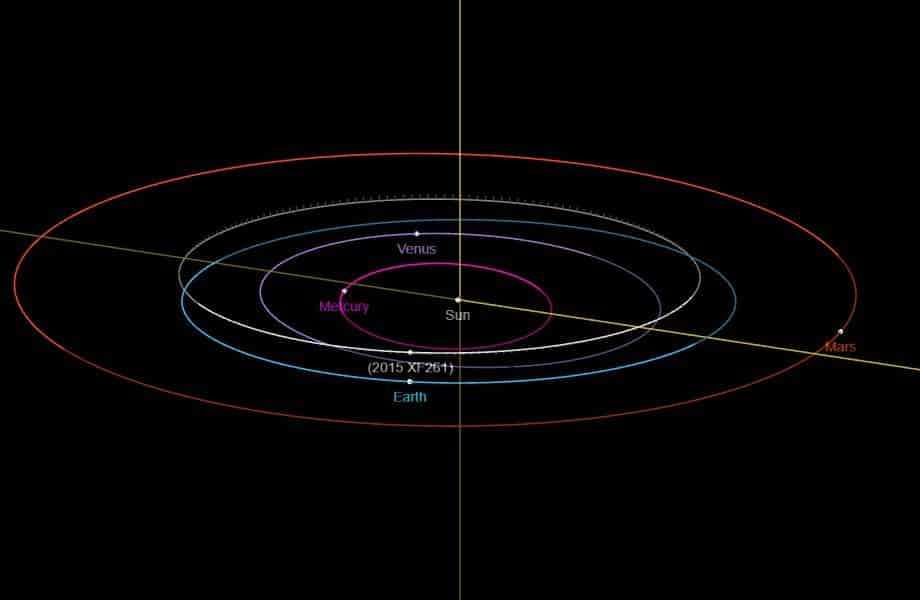
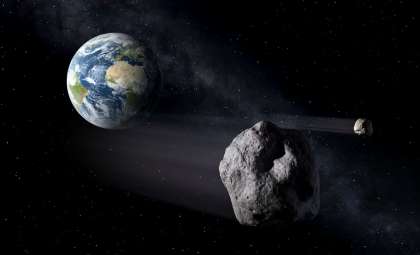
The China National Space Administration (CNSA) has revealed plans to launch a spacecraft designed to collide with asteroid 2015 XF261, a near-Earth asteroid roughly 30 meters in diameter. Selecting this asteroid is strategic due to its nearby orbit and suitable size for an initial deflection test.

The asteroid approached Earth closely on July 9, 2024, passing at a distance of 31 million miles (50 million kilometers). Traveling at approximately 26,000 mph (42,000 kph), 2015 XF261 serves as a compelling candidate to test kinetic impactor technologies.
An article published in the Journal of Deep Space Exploration details the mission’s goals and approach. “For China’s first near-Earth asteroid defense on-orbit verification mission, a defensive disposal demonstration will be carried out on the potential risk of near-Earth asteroids impacting the Earth,” the article explains. The mission seeks to validate China’s deflection technology and provide data for global planetary defense research.
Mission Design and Key Goals
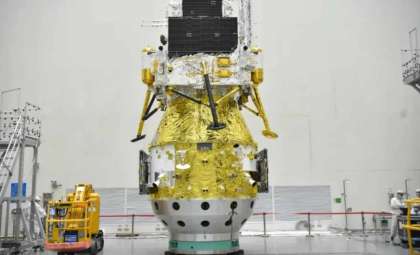
The CNSA’s asteroid deflection initiative employs a two-spacecraft strategy: one observer and one impactor. The observer will arrive first, spending three to six months studying the asteroid’s makeup, structure, and trajectory. This phase is vital for planning the subsequent collision.
After thorough analysis, the impactor craft will target the asteroid to change its course via a high-velocity impact. The observer will stay nearby to record and send data about the collision’s outcomes, enabling assessment of kinetic impactor effectiveness as a defense tool.
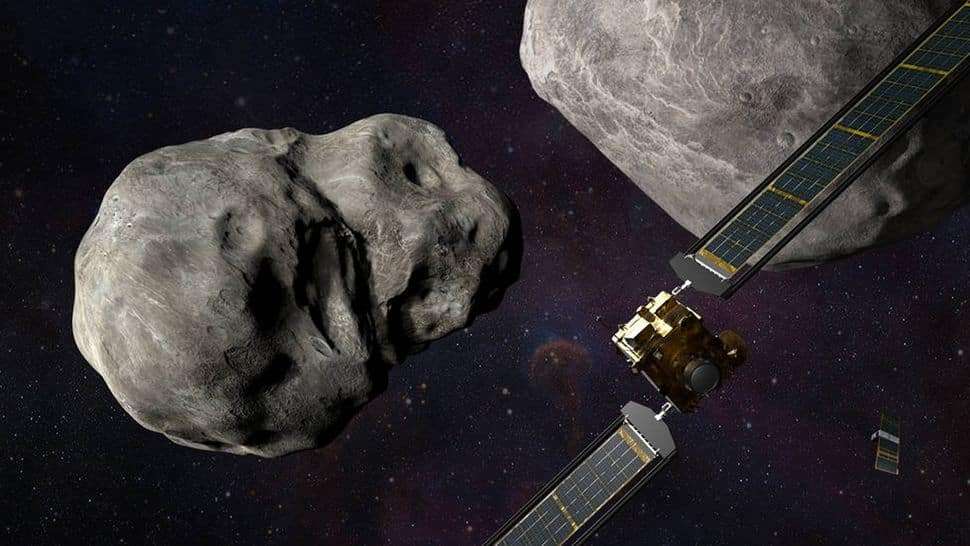
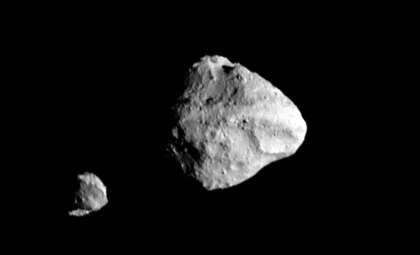
China’s approach draws inspiration from NASA’s Double Asteroid Redirection Test (DART) which successfully deflected a smaller component of the Didymos binary asteroid system in 2022, demonstrating that a spacecraft impact can adjust an asteroid’s orbit.
Boosting Global Planetary Defense via Cooperation
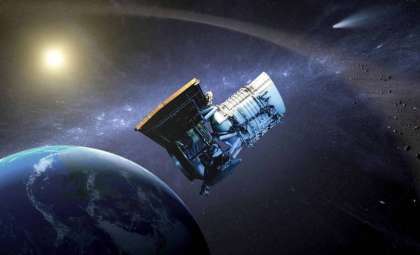
China’s upcoming asteroid deflection mission aligns with international efforts to enhance planetary defense. Beyond this, NASA plans to launch the NEO Surveyor telescope in June 2028, which will detect and monitor potentially dangerous near-Earth asteroids to provide early alerts and data for deflection strategies.
Collaborations among agencies like CNSA, NASA, and the European Space Agency (ESA) underscore the importance of worldwide partnership in confronting asteroid threats. Sharing resources and expertise helps improve planetary defense systems' reliability. “The joint work of various space agencies, including China, increases confidence in the safety of our planet, despite international tensions between countries,” the article noted.
Such cooperative efforts are vital since no single nation can alone counter the risks posed by asteroid impacts. Ongoing advancements and tests of planetary defense technologies remain essential for protecting Earth against possible future dangers.
- Categories:
- Astronomy ,
- News ,
- Space ,
- Evolution







0 comments
Sign in to Comment