
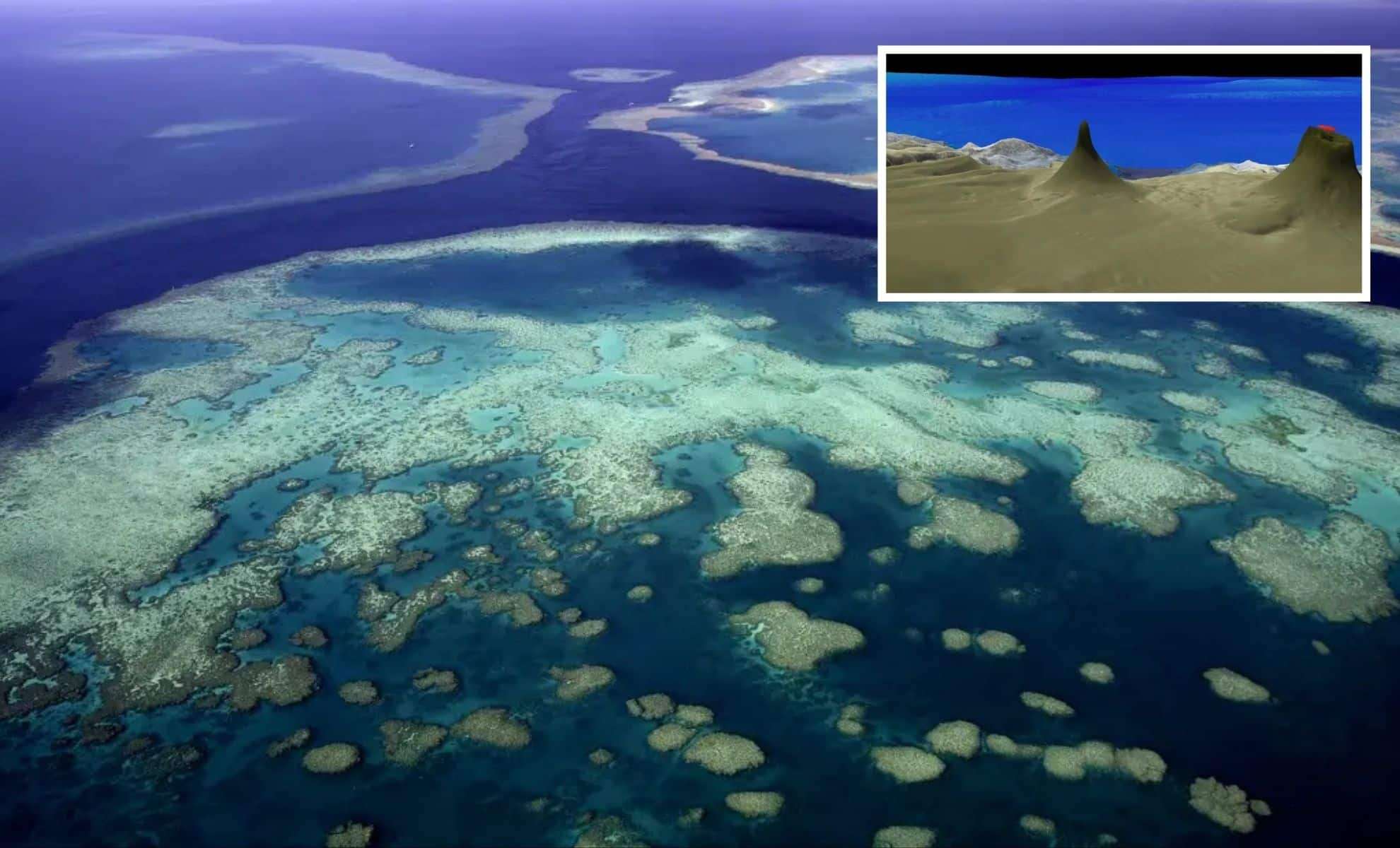
Off the shores of Queensland, Australia, scientists have uncovered an enormous underwater reef that rises an impressive 500 meters (around 1,600 feet) from the seabed. This colossal formation surpasses the height of renowned landmarks such as the Empire State Building in New York and the Petronas Twin Towers in Malaysia. Situated close to the Great Barrier Reef, this discovery uncovers a breathtaking geological and ecological marvel hidden beneath the waves. It has sparked excitement among researchers and promises fresh opportunities for oceanic exploration, emphasizing the need for ongoing investigation into Earth's marine life and geological secrets.
The reef was identified by a team on the Falkor, a research vessel managed by the Schmidt Ocean Institute, during a comprehensive survey of the northern Great Barrier Reef’s seafloor. Representing the first discovery of its magnitude in over 100 years, this reef offers unprecedented insights into the geological framework and ecosystem diversity of the area. Its towering height of 500 meters far exceeds that of many human-engineered structures, including the Empire State Building, which stands at 381 meters to its observation deck. This newly found structure is set to become a focal point for future scientific inquiry due to its immense scale and distinctive underwater location.
A New Underwater Marvel Emerges
Featuring a blade-shaped base stretching approximately 1.5 kilometers (close to 1 mile) across, this reef ascends sharply, coming within 40 meters of the ocean’s surface at its shallowest. Part of the northern Great Barrier Reef system renowned for its ecological variety, this newly revealed structure is remarkable not only for its size but also for its distinct shape and the unexpected nature of its discovery. Despite extensive prior mapping of the region, scientists were unaware of this massive entity residing beneath the sea.

“Discovering such a vast structure was beyond our expectations,” remarked Robin Beaman, a principal investigator from James Cook University. “Being able to generate a detailed 3D map and observe the reef up close using SuBastian is truly extraordinary.” The reef’s enormity and little-explored status make it an exceptional subject to better understand the geological processes shaping the ocean floor.
This reef isn’t entirely isolated; the area includes other noteworthy detached reefs, such as those near Raine Island, recognized as a vital nesting ground for green turtles. Adding this reef to the catalog supports ongoing efforts to characterize and conserve the Great Barrier Reef’s biodiversity, which continues to face challenges from climate change and human influences.
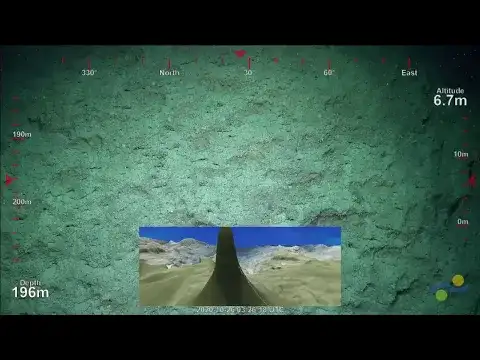
SuBastian: Cutting-Edge Tech Illuminates Ocean Depths
A pivotal element of this finding was the deployment of advanced technology. The team utilized SuBastian, an autonomous underwater vehicle outfitted with high-resolution cameras and state-of-the-art sensors, enabling them to scrutinize the reef’s complex features in exquisite detail. This robot’s capacity to capture crisp imagery and gather essential data permitted an unprecedented exploration of the reef’s topography and resident marine species.
“This surprising discovery confirms that there remain vast unknown structures and possibly new species beneath the waves,” stated Wendy Schmidt, co-founder of the Schmidt Ocean Institute. “Our comprehension of the ocean’s contents has long been constrained.” Thanks to SuBastian’s live feeds broadcast globally, people around the world witnessed the discovery as it happened, highlighting the value of involving the public in scientific endeavors. As ocean exploration technology advances, devices like SuBastian will increasingly unlock deep-sea environments, enriching our grasp of oceanic mysteries.
The integration of such innovative tools has transformed marine research, granting scientists access to once-inaccessible underwater realms. Data collected by SuBastian is critical for assessing the reef’s importance in terms of biodiversity and geological formation. This remote exploration capability heralds a new era of discovery and documentation for marine ecosystems.
Ecological Importance Within the Great Barrier Reef
This finding not only impresses with its scale but also starkly illustrates the delicate balance of the Great Barrier Reef ecosystem. The reef system extends across nearly 133,000 square miles, making it Earth’s largest living structure and home to diverse marine species, including over 1,500 fish species and 411 types of hard coral. Despite its vast expanse and ecological value, this reef has endured significant threats over recent decades.
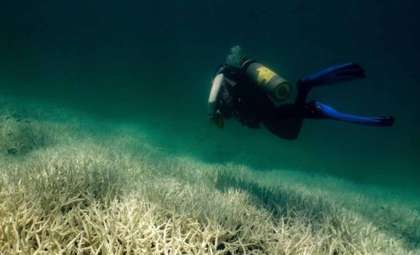
Studies indicate that climate change has decimated over half of the reef’s coral populations in the past 30 years. Contributors such as coral bleaching, ocean acidification, and rising sea temperatures exacerbate the reef’s decline. While the discovery excites the scientific community, it also reinforces the immediate need for conservation to ensure the reef’s survival.
Beyond delivering new insights into oceanic wonders, this breakthrough stresses the urgency of marine ecosystem protection. As climate change continues to impact the oceans, ecosystems like the Great Barrier Reef face growing perils. Exploring, understanding, and preserving such underwater environments is critical, with discoveries like this serving as potent reminders of the ocean’s value and vulnerability.
A Beacon of Hope for Future Ocean Research
This remarkable find is one of countless submerged features awaiting revelation beneath the ocean’s surface. It highlights the untapped potential of ocean science and the groundbreaking discoveries still to come. “The ocean continues to surprise us,” noted Schmidt. As technology advances, researchers are poised to uncover even more secrets of the underwater realm and deepen our knowledge of the natural forces shaping our planet.
While the reef is an extraordinary discovery, it concurrently stresses the pressing need to mitigate the mounting impacts of climate change and human activity on the world’s oceans. The alliance of innovative technology and public involvement in scientific projects offers promising avenues to decode marine mysteries while safeguarding these fragile habitats for future generations.
- Categories:
- News





0 comments
Sign in to Comment