
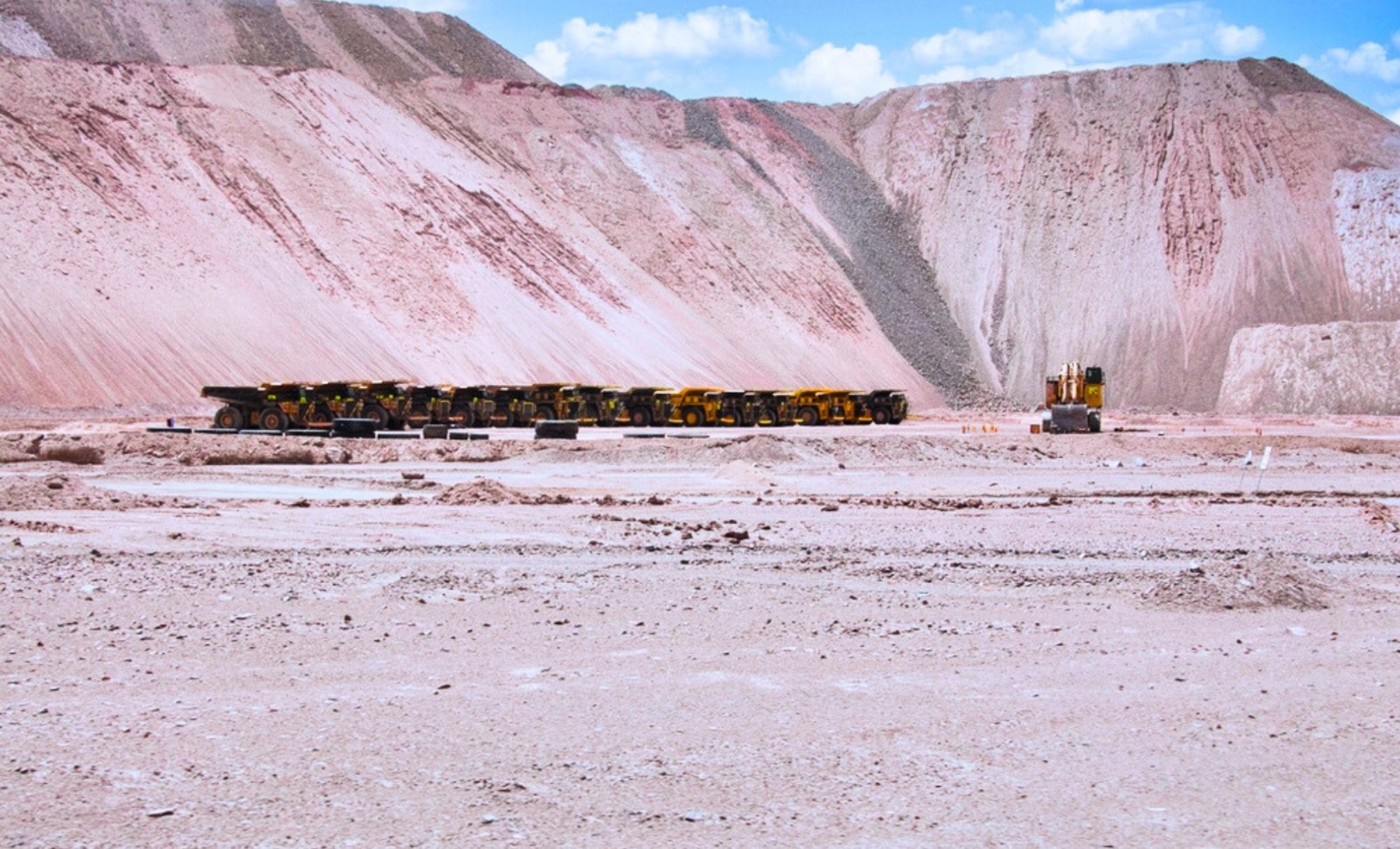
Located in the remote desert near the Nevada–Oregon border lies an ancient volcanic basin that is quickly drawing worldwide attention. Beneath the McDermitt Caldera, researchers have identified what they believe to be the largest lithium reserve on the planet, the vital metal fueling electric cars, mobile devices, and renewable power systems.
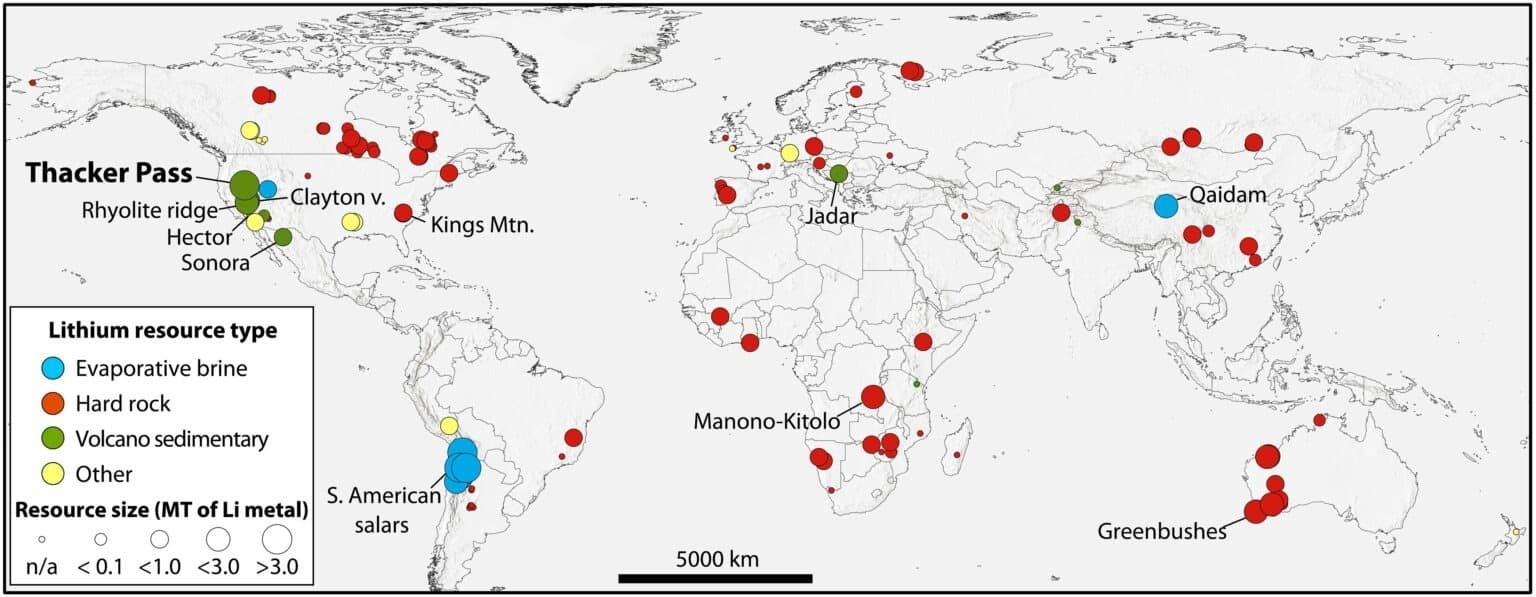
This deposit, known as Thacker Pass, is altering how experts understand mineral accumulation in volcanic settings. Initial data suggest the reserve may contain between 20 to 40 million metric tons of lithium, surpassing Bolivia’s famed Salar de Uyuni, which has been regarded as the largest lithium source globally. If fully developed, this trove could supply lithium for hundreds of millions of electric vehicles and establish the U.S. as a dominant supplier in the green energy sector.
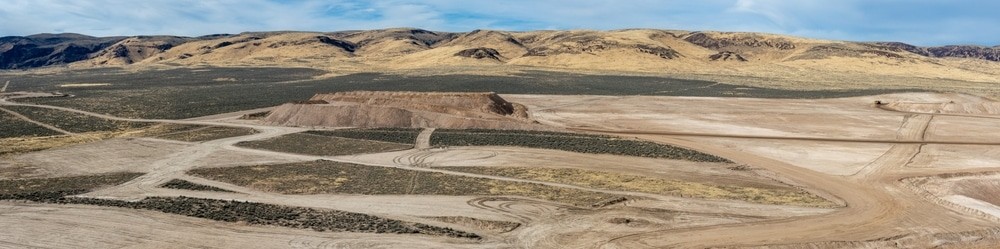
However, this project lies at a crossroads of growing mineral demand and concerns over environmental protection and cultural heritage. Receiving substantial federal investment and partnerships with major automakers, the initiative faces opposition from Indigenous groups and environmentalists. Beyond the mineral wealth, the conflict highlights a broader debate about balancing resource development with preservation in America’s race toward a sustainable energy future.

A Trillion-Dollar Mineral Deposit in a Volcanic Basin
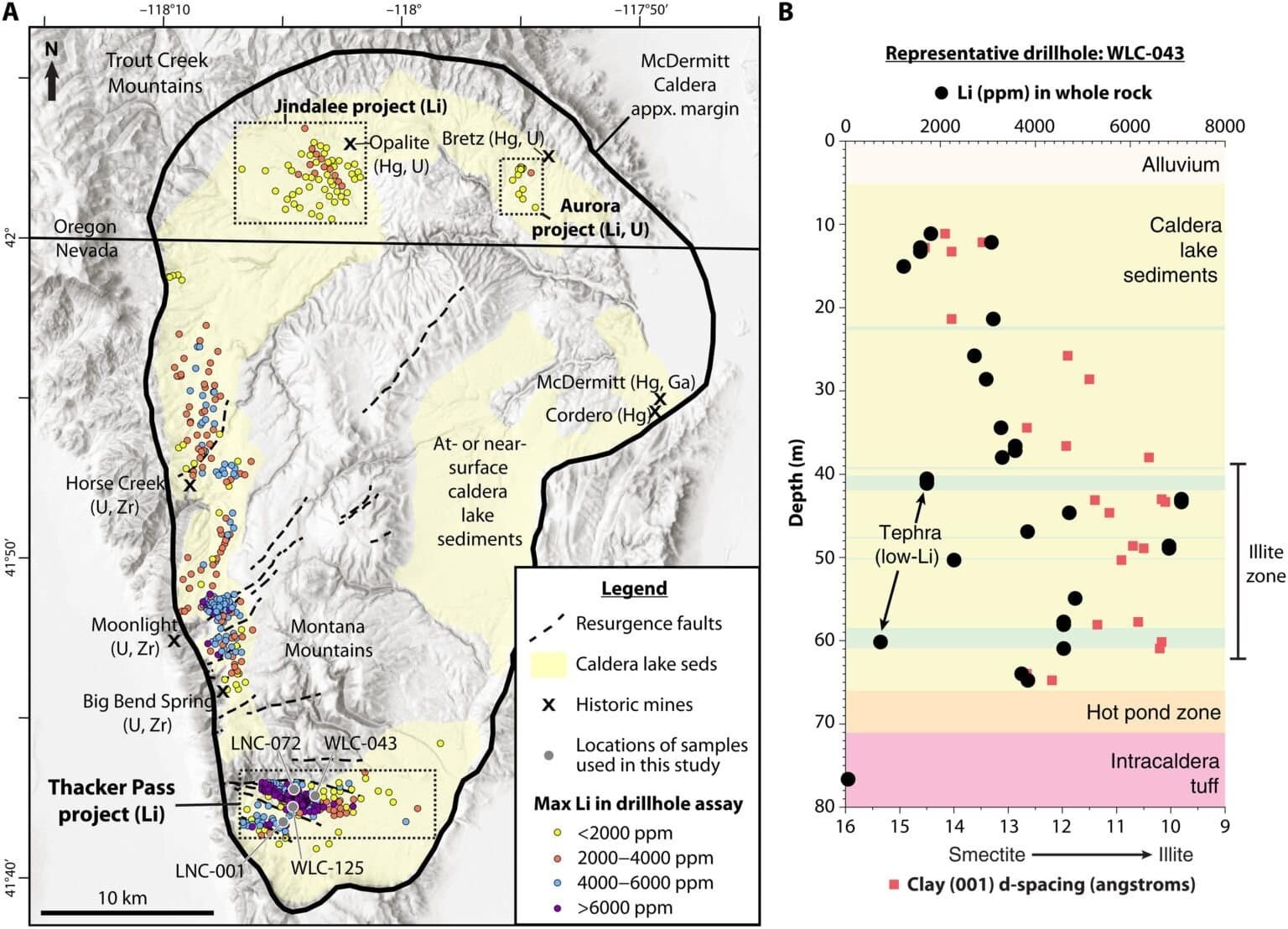
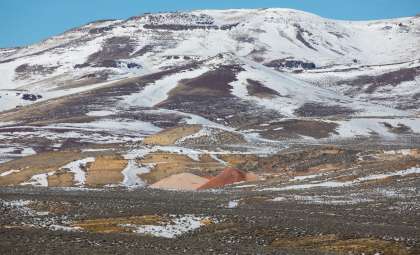
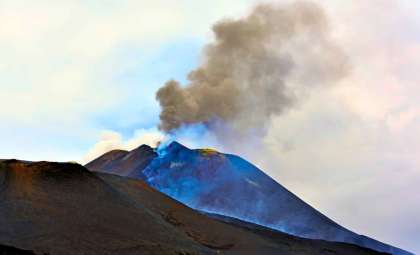
Spanning over 1,000 square kilometers, the McDermitt Caldera was shaped 16 million years ago by a colossal volcanic eruption. Over millennia, volcanic sediments formed clay-rich lakebeds containing lithium-bearing minerals. A recent study published in Science Advances found that hydrothermal fluids after the eruption transformed magnesium smectite into illite, a potassium-rich clay with exceptionally high lithium—up to 2.4% lithium by weight in some Thacker Pass locations.
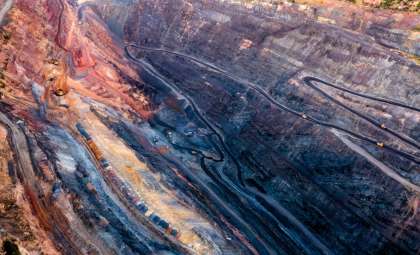
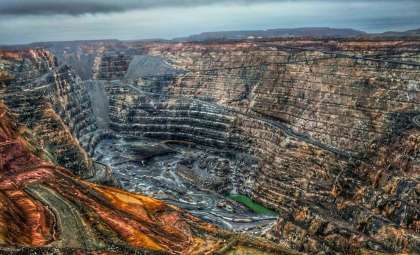
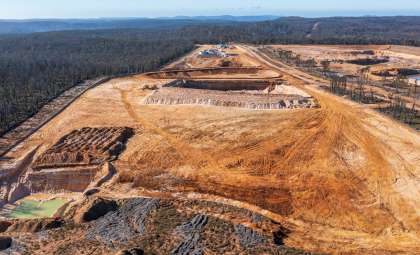
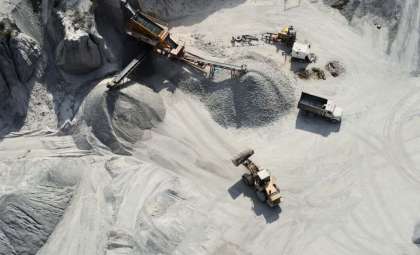
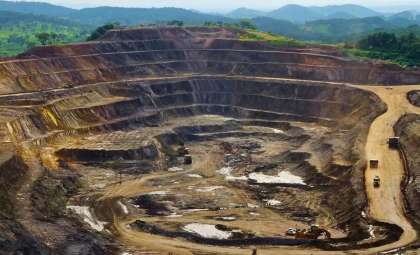
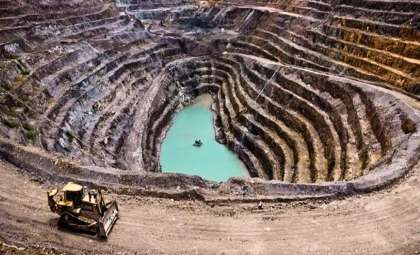
This degree of lithium concentration is unprecedented. While typical lithium clays contain under 1% lithium, Thacker Pass’s illite layer measures approximately 100 feet thick and sits close to the surface, enabling open-pit mining, which simplifies extraction and lowers costs.
Lithium embedded in clay minerals presents unique processing challenges because the element is tightly bound in the mineral matrix, necessitating advanced techniques such as leaching and chemical treatment. Nevertheless, Thacker Pass’s shallow deposits and notable lithium concentration lead to a low strip ratio, meaning less waste rock is moved per unit of lithium extracted—an essential factor for economic mining operations.
The area's unique geological formation and accessibility make it one of North America’s most promising critical mineral reserves.
Major Investments and the Strategic Battery Supply Race
The U.S. Department of Energy has committed a $2.23 billion loan to advance the Thacker Pass mine, reflecting the Biden administration’s initiative to strengthen domestic clean energy infrastructure. This supports the Advanced Technology Vehicles Manufacturing program and stands among the largest governmental loans granted to a lithium project.
Developer Lithium Americas Corp. commenced construction in 2023, targeting an initial production of 40,000 metric tons of lithium carbonate annually. Subsequent expansion phases aim to boost capacity to 160,000 tons per year, as outlined in the company’s technical documents. The project's lifecycle is projected to extend over 85 years, positioning it as one of the longest-operating lithium mines worldwide.
General Motors has secured a 20-year agreement to purchase all lithium output from Phase 1 and a substantial portion of Phase 2, holding a 38% stake in the project to assure its supply chain for electric vehicle batteries.
Despite strong governmental and corporate backing, the mine remains controversial. Tribes such as the Fort McDermitt Paiute and Shoshone Tribe have raised concerns over threats to ancestral territories, nearby water sources, and cultural sites. Various groups have initiated legal challenges to the Bureau of Land Management’s 2021 approval of the mine, some cases are still unresolved.
Revolutionizing Lithium Exploration Through Volcanic Geology
Thacker Pass is redefining the understanding of lithium deposits. Historically, global lithium has come primarily from hard rock spodumene in Australia and evaporite brines in South America. The McDermitt Caldera introduces a new class of lithium source: volcano-sedimentary deposits, formed through a combination of unique magma chemistry, closed lake systems, and persistent geothermal activity.
Here, peralkaline magmatic activity resulted in sodium- and potassium-rich magmas that retained lithium during cooling, enriching ash and tuff layers optimal for clay development. Subsequent magma uplift fractured the crust, allowing hot fluids to concentrate lithium in illite minerals, particularly in the caldera’s southern sector where Thacker Pass is situated.
This breakthrough encourages geologists to reassess other resurgent volcanic basins in the western U.S. and worldwide, seeking similarly fertile lithium deposits. It signals a pivotal shift in critical mineral exploration amid soaring global lithium demand.
- Categories:
- News




0 comments
Sign in to Comment