
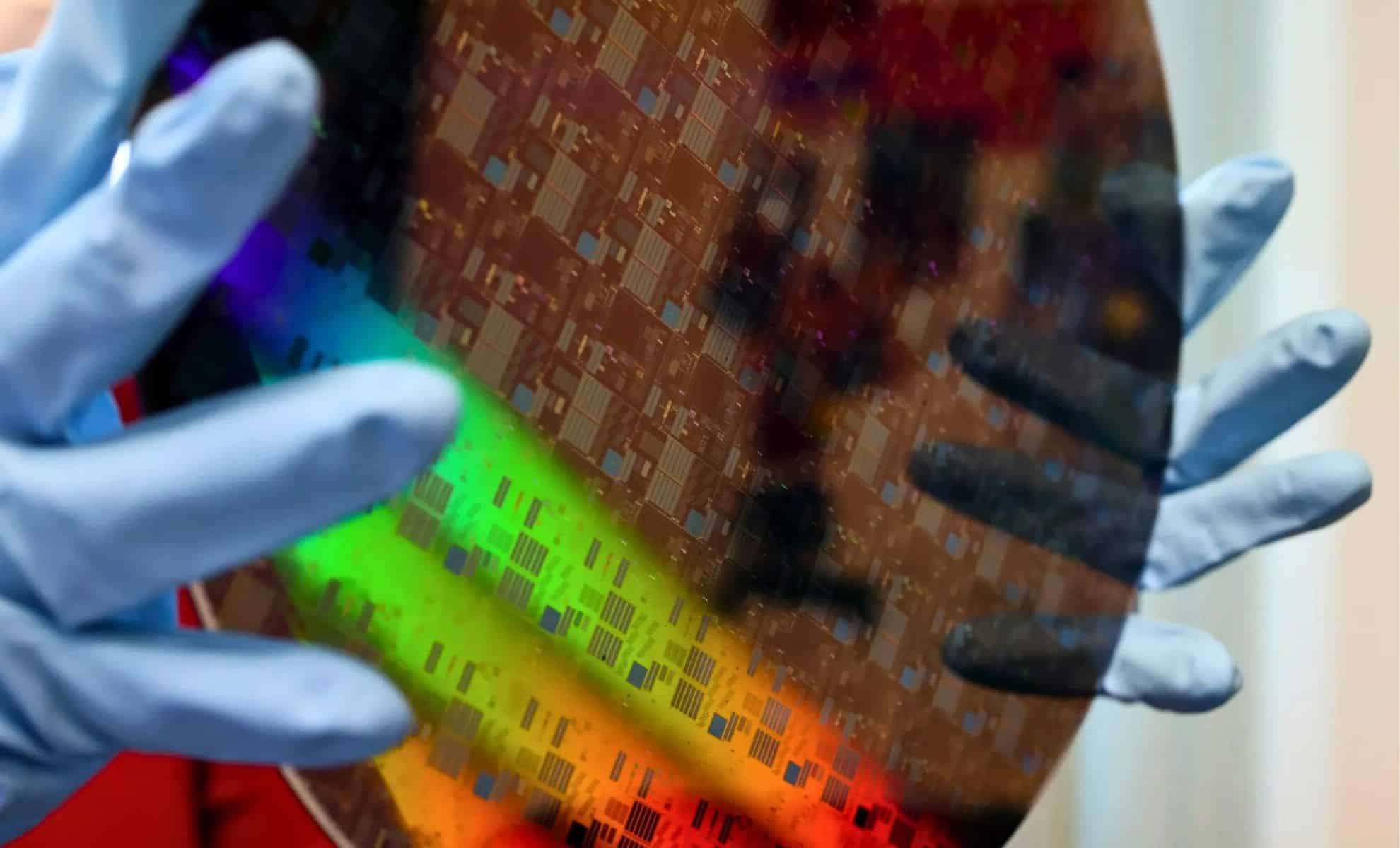
The competition for dominance in the semiconductor industry has escalated dramatically. Traditionally viewed as a technology follower, China is now making a decisive move to change the industry landscape. Through a bold €37 billion investment, the country is fast-tracking the development of its own semiconductor capabilities, focusing on a critical weak point: photolithography technology.
Europe, the U.S., and Taiwan have long led the charge in chip manufacturing, largely due to firms like ASML, TSMC, and Intel. However, amid rising trade restrictions and the insight that control over semiconductors equates to geopolitical influence, China is targeting the heart of the sector’s technology. Could this signal a profound shift in global tech leadership?
ASML’s Dominance: The Gatekeeper of Advanced Chip Production
One firm that holds substantial control over cutting-edge chip manufacturing is ASML. The Dutch company is the exclusive provider of EUV lithography systems, essential machines for fabricating state-of-the-art semiconductors.

Without access to ASML’s technology, manufacturers like TSMC, Intel, and Samsung face significant hurdles advancing their chip designs. Notably, China has been intentionally blocked from obtaining these machines.
Led by the U.S., Western countries have imposed strict limitations to curb China’s technological advancements. This strategy has thus far slowed China’s progress in producing cutting-edge semiconductors, leaving it dependent on older manufacturing methods, while Taiwan, South Korea, and the U.S. continue to evolve. Now, China aims to break this cycle.
China’s €37 Billion Strategy: Achieving Independence in Chip Technology
Rather than just closing the gap, Beijing is making a strategic all-in investment. The €37 billion plan focuses on developing indigenous lithography technology to challenge ASML’s dominant position.
This effort extends beyond commercial interests; it’s a quest for technological autonomy. The semiconductor sector has turned into a strategic battleground, with chips functioning as key assets in AI, cybersecurity, and defense systems.
China’s resilience and capacity to innovate under constraints have already been demonstrated.
The Huawei Milestone: How the Mate 60 Pro Surprised the World
The launch of Huawei’s Mate 60 Pro last year stunned observers by featuring a 7nm chip despite U.S. efforts to block China’s access to top-tier chipmaking technologies.
The processor, manufactured by SMIC, revealed that China had quietly achieved notable progress even under sanctions.
This event marked a turning point, challenging Western assumptions that China’s chip capabilities had been halted. Instead, it underscored Beijing’s tenacity in advancing its semiconductor ambitions.
The €37 billion investment in photolithography builds on this momentum. Success would allow China to eliminate reliance on ASML, TSMC, and other Western suppliers, potentially shifting global power dynamics considerably.
ASML’s Response: Advancing Towards 2nm Chip Manufacturing
While China scales up its domestic technologies, ASML continues to innovate. Its development of EUV High-NA lithography could enable production of chips with features smaller than 2 nanometers, surpassing current Chinese capabilities.
Even if China manages to produce its own lithography equipment, it may lag multiple generations behind ASML. But the question remains: for how long can ASML maintain this head start?
History shows technological dominance is fleeting. Japan once led the sector before being overtaken by the U.S. and Taiwan. Could China follow a similar trajectory?
The Critical Question: Will China’s Huge Investment Pay Dividends?
China is injecting huge resources into creating a comprehensive semiconductor ecosystem, spanning from raw materials extraction to chip fabrication. Despite this, Western countries retain advantages in areas like chip design, advanced software, and precision manufacturing.
Is China positioned to bridge this gap, or is this ambitious project a long-term gamble, potentially requiring decades to bear fruit?
If successful, China could disrupt Western dominance and reconfigure the global semiconductor supply chain. Failure could confine it to trailing behind the world’s leading chipmakers.
- Categories:
- News













0 comments
Sign in to Comment