
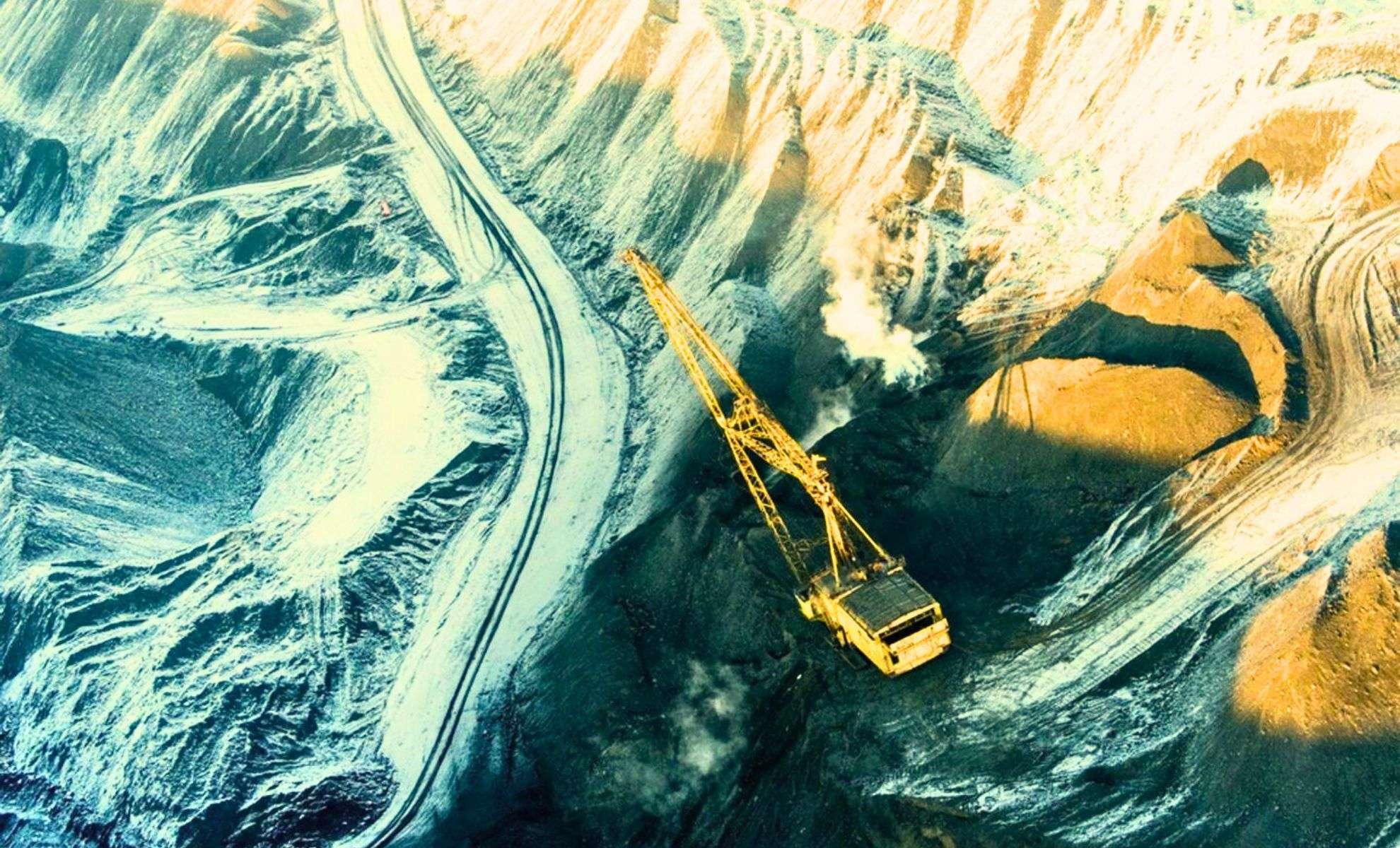
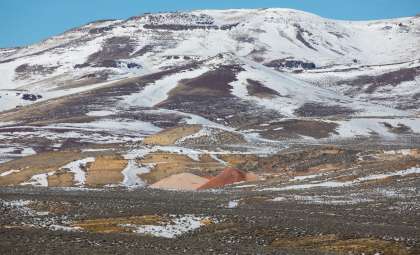
Spanning the arid volcanic plains near the Nevada-Oregon border, a staggering lithium reserve—possibly the biggest ever found—lies hidden beneath the surface. This discovery has the potential to shift the global dynamics of essential minerals vital for electric vehicles and green energy technologies.
Known as the McDermitt Caldera, this geological structure dates back 16.4 million years and marks the site of a colossal supervolcanic eruption during the Miocene era. Now dormant, the caldera may harbor over 120 million metric tons of lithium, surpassing the famous Salar de Uyuni in Bolivia in terms of volume. The consequences of this find stretch across economic, political, and environmental domains.
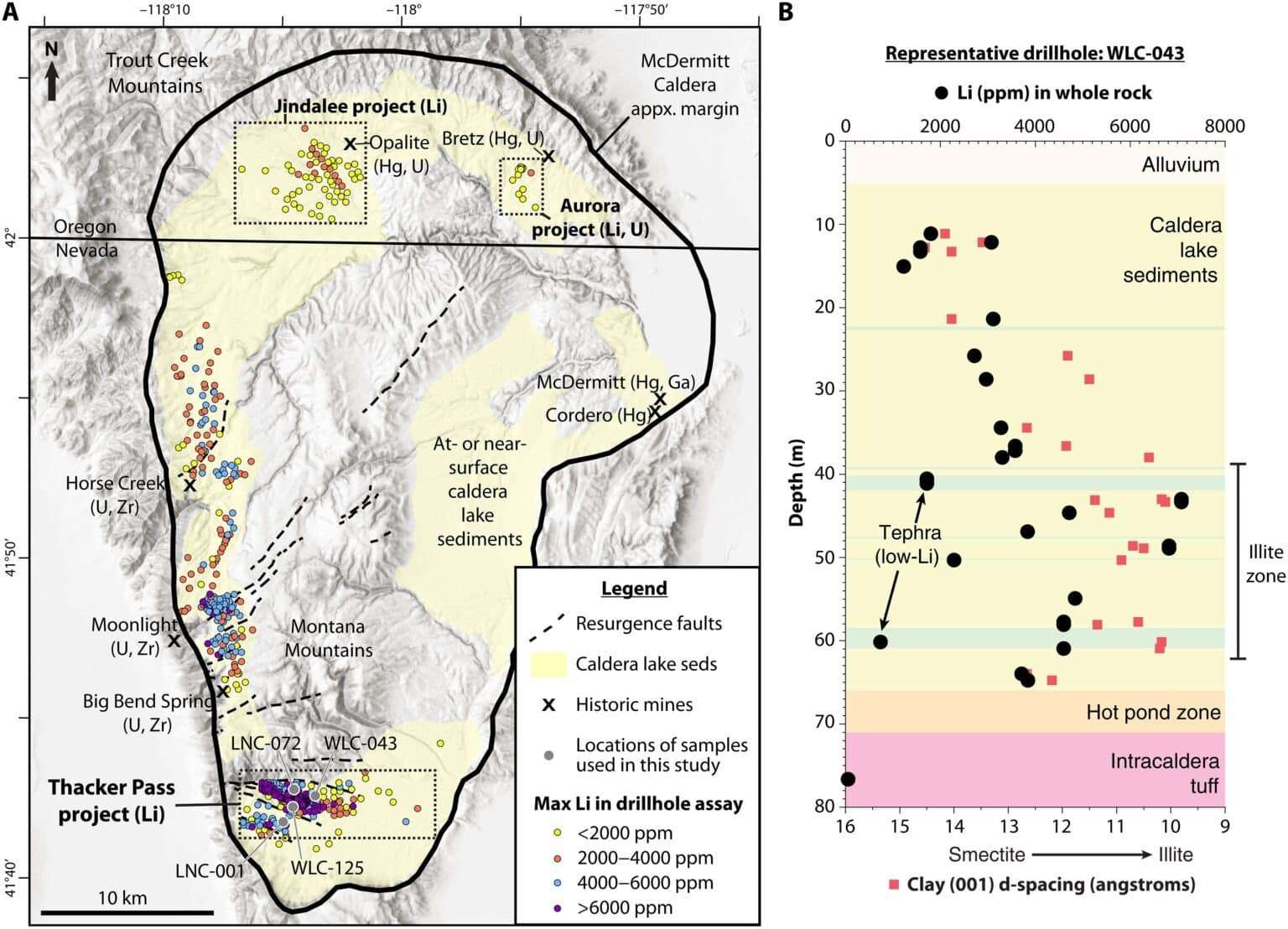
The findings, which have drawn global attention, are detailed in a peer-reviewed article published in Science Advances. The report highlights strikingly high lithium concentrations within clay-rich rock layers inside the caldera, reaching levels of up to 2.4 weight percent lithium—over six times higher than typical lithium clay deposits worldwide. Notably, this deposit's formation involved a unique two-stage hydrothermal process, previously undocumented in similar geological contexts.

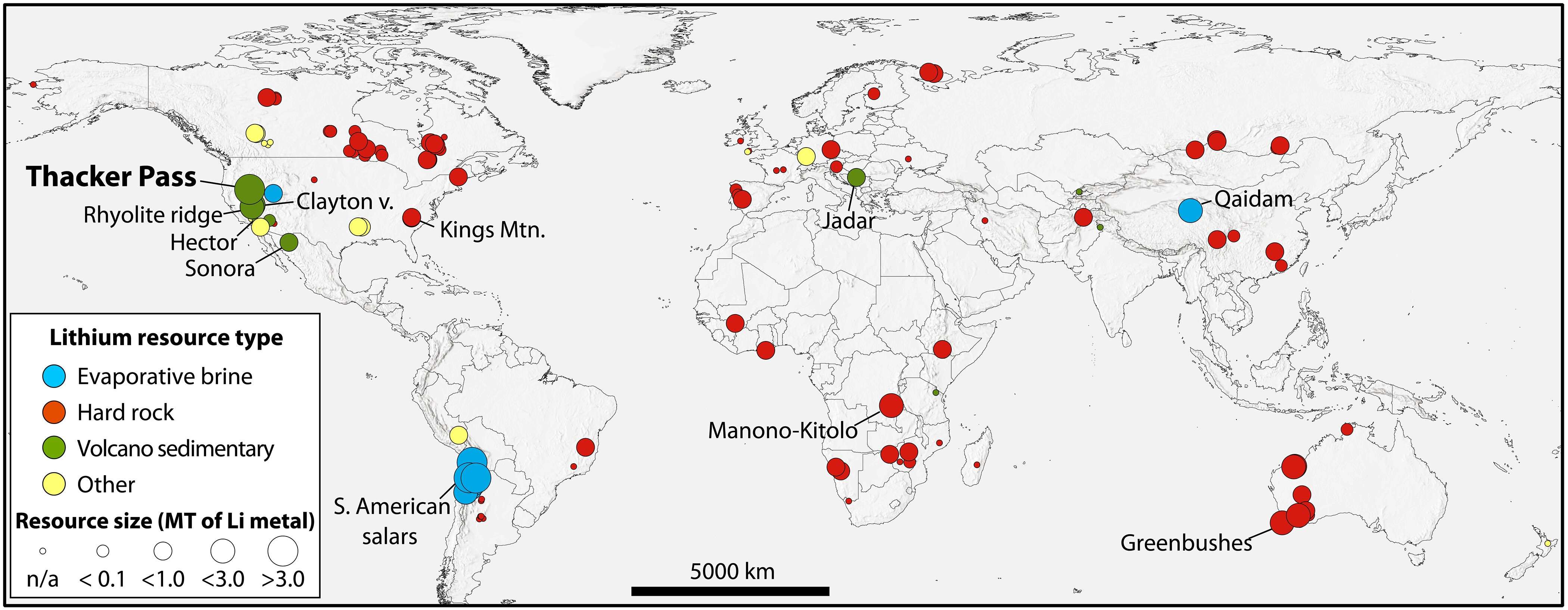
For the United States, which currently imports a majority of its lithium—principally from China, Chile, and Argentina—this revelation comes as demand for lithium is expected to increase eightfold by 2040, per the International Energy Agency. Establishing a strong domestic source is now a critical economic and strategic goal. The southern portion of the caldera, especially around Thacker Pass, may provide a crucial solution.
An Extraordinary Geological Phenomenon with Enormous Economic Value
The remarkable lithium levels in the McDermitt Caldera owe their origin to volcanic glass left by the supervolcano's eruption some 16.4 million years ago. As the structure cooled, sediment and ash rich in lithium-containing smectite clay accumulated in a large lake. However, this was only a portion of the process.
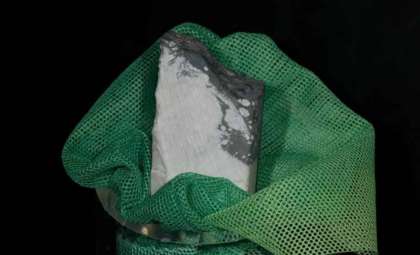
Approximately 100,000 years later, geological rejuvenation within the caldera led to the circulation of hydrothermal fluids—superheated waters containing potassium, rubidium, cesium, and fluorine—that permeated the lake sediments. This altered the smectite to illite, a less common clay mineral that effectively traps much more lithium. Samples from the Thacker Pass region boast lithium concentrations exceeding 18,000 parts per million, according to the U.S. Geological Survey, outperforming all known lithium-bearing clay deposits.
Geologists describe this discovery as rare and unprecedented. The research team, including experts from Columbia University and Lithium Americas Corporation, characterize it as “an exceptional lithium deposit” formed under unique geological and chemical conditions rarely found on Earth.
The financial stakes are significant. With lithium prices near €34,000 per metric ton, the McDermitt deposit's estimated worth exceeds €400 billion, a sum likely to rise alongside increasing demand. This discovery aligns with efforts by the Biden administration to secure critical mineral independence that blends energy security with environmental concerns.
Promise for Clean Energy Amid Cultural and Environmental Controversies
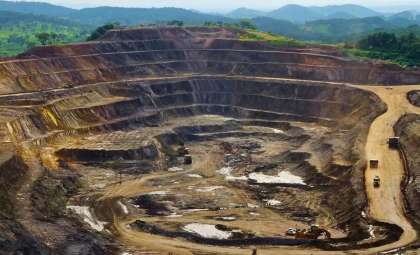
Despite high hopes, the project has sparked controversy. At Thacker Pass, industrial developments have met resistance from Indigenous groups. The People of Red Mountain, representing local tribes with ancestral connections, have labeled the mining plan as “green colonialism.” Their objections include threats to sacred lands and potential ecological damage in a water-scarce environment.
Although legal setbacks have delayed progress, mining plans continue. Early 2023 saw a federal court ruling favoring Lithium Americas, permitting initial mining activities. However, opposition remains strong, particularly from environmentalists concerned about water consumption, heavy metal pollution, and the consequences of clay extraction. While less disruptive than brine evaporation or hard-rock mining, clay mining still carries environmental risks.
Scientists stress that the McDermitt Caldera exemplifies a rare alignment of geological events and chemical processes. Lead author Thomas Benson, a geologist with over ten years specializing in lithium deposits, told Science Advances, “The hydrothermal mechanism that produced these illite clays could unlock new prospects for lithium exploration globally, but no other site matches this unique formation yet.”
- Categories:
- News





0 comments
Sign in to Comment