
Amazon has postponed the debut of its Project Kuiper broadband services until early 2025, following updates to its satellite deployment plans using an Atlas V rocket scheduled for later this year.
The company had initially planned to launch more than 3,200 satellites during the first half of 2024, aiming to initiate beta testing with selected clients such as Verizon in the U.S. Now, these beta tests are expected to start in 2025, reflecting a notable change in the timeline.
Updated Schedule for Launch and Beta Testing
Amazon’s shift in timelines for Project Kuiper broadband stems from the project’s intricate scale and challenges. The original goal was to deploy over 3,200 satellites by mid-2024 to trigger early beta trials.

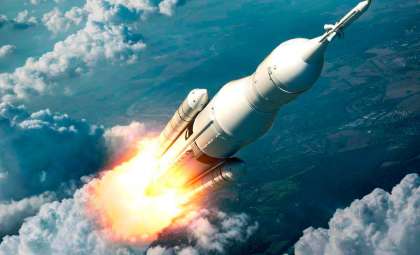
Due to various logistical and manufacturing hurdles, the company has adjusted its timetable. The first batch of production satellites will be delivered this summer for launch via United Launch Alliance (ULA), using an Atlas V rocket. This mission is pivotal for starting beta trials, now planned for early 2025, involving major partners like Verizon to test the network’s broadband performance.
Satellite Production and Launch Strategy
At the heart of Amazon’s revised approach is the Kirkland manufacturing plant, which began operations in April 2024. This advanced facility is designed to accelerate satellite assembly, capable of producing up to five satellites daily at peak output.
This production capacity is critical to meeting Amazon’s regulatory deadline, which requires launching half of the Kuiper constellation by July 2026, as per the Federal Communications Commission (FCC) mandate. The Kirkland site incorporates cutting-edge equipment for the fabrication and testing of space-grade components.
Among its features are sophisticated liquid nitrogen tanks for quickly chilling test chambers to space-like conditions and robotic arms for accurate testing and fine-tuning of the communications payloads. Maintaining an ultra-clean manufacturing environment is essential to protect delicate electronic systems.
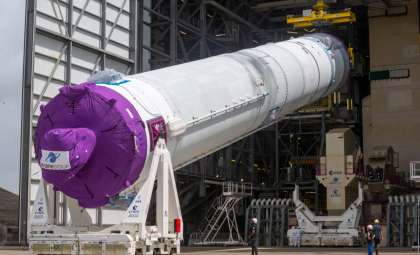
Amazon has arranged a diverse launch vehicle lineup to deploy its satellites into low Earth orbit. This includes eight Atlas V rockets from ULA, 38 Vulcan Centaur rockets, 18 Ariane 6 launches from Arianespace, and up to 27 New Glenn flights from Blue Origin, the aerospace firm founded by Amazon’s Jeff Bezos. Additionally, three SpaceX Falcon 9 rockets will be used, with launches expected to begin mid-2025. This multi-faceted launch plan ensures a reliable deployment schedule.
Facility Investment and Workforce Expansion
The Kirkland plant stands as a major technological and economic investment. Covering 172,000 square feet, it is tailored specifically for the unique demands of Project Kuiper.
The facility houses customized machinery essential for producing and verifying the sophisticated hardware required for space missions.
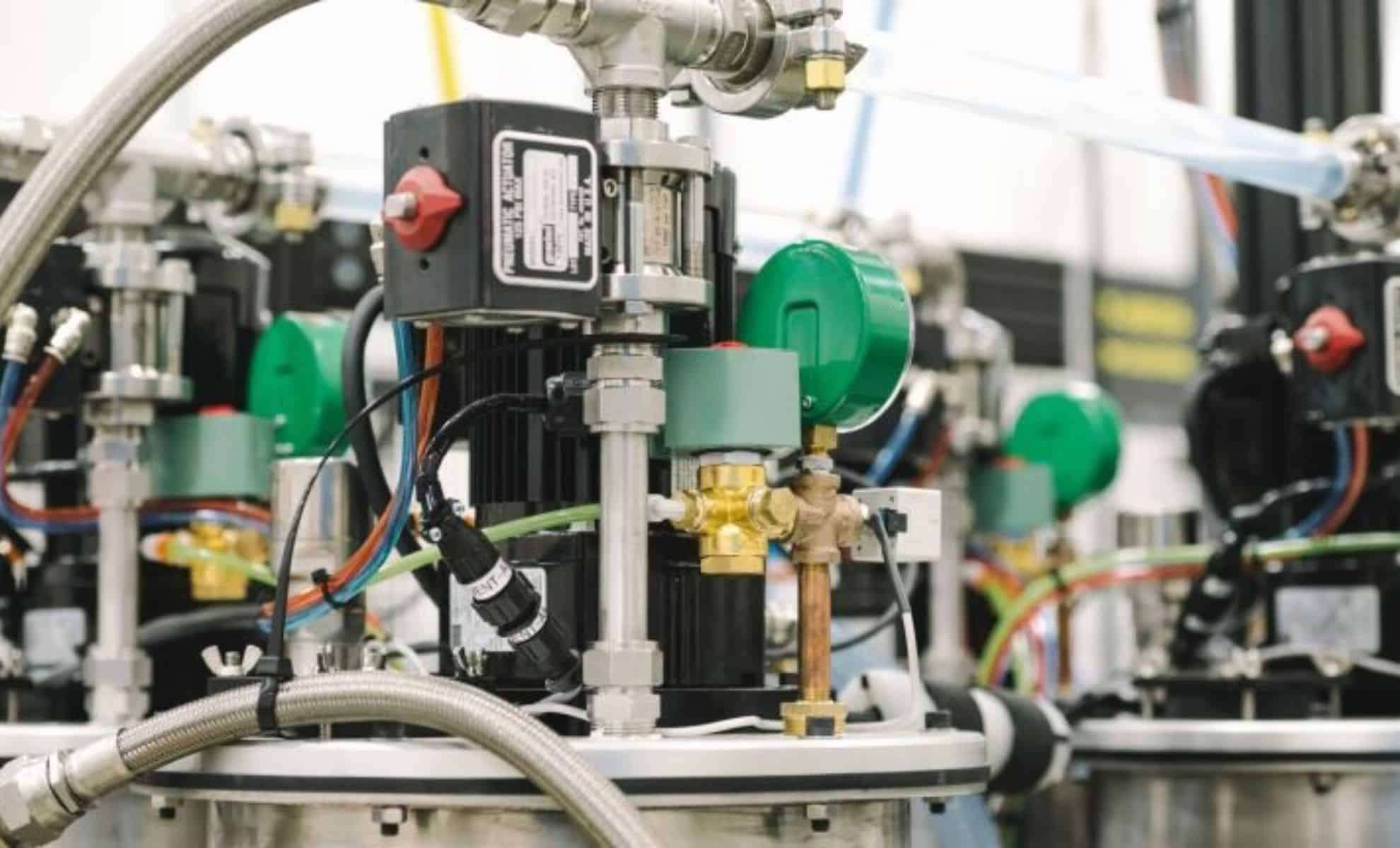
Its use of liquid nitrogen cooling and robotic precision calibrations exemplifies the advanced industrial capabilities of the plant. Stringent cleanroom conditions further ensure the integrity of sensitive electronic components.
The facility also plays a significant role in job creation. Amazon aims to recruit 200 skilled manufacturing personnel, having already onboarded 120.
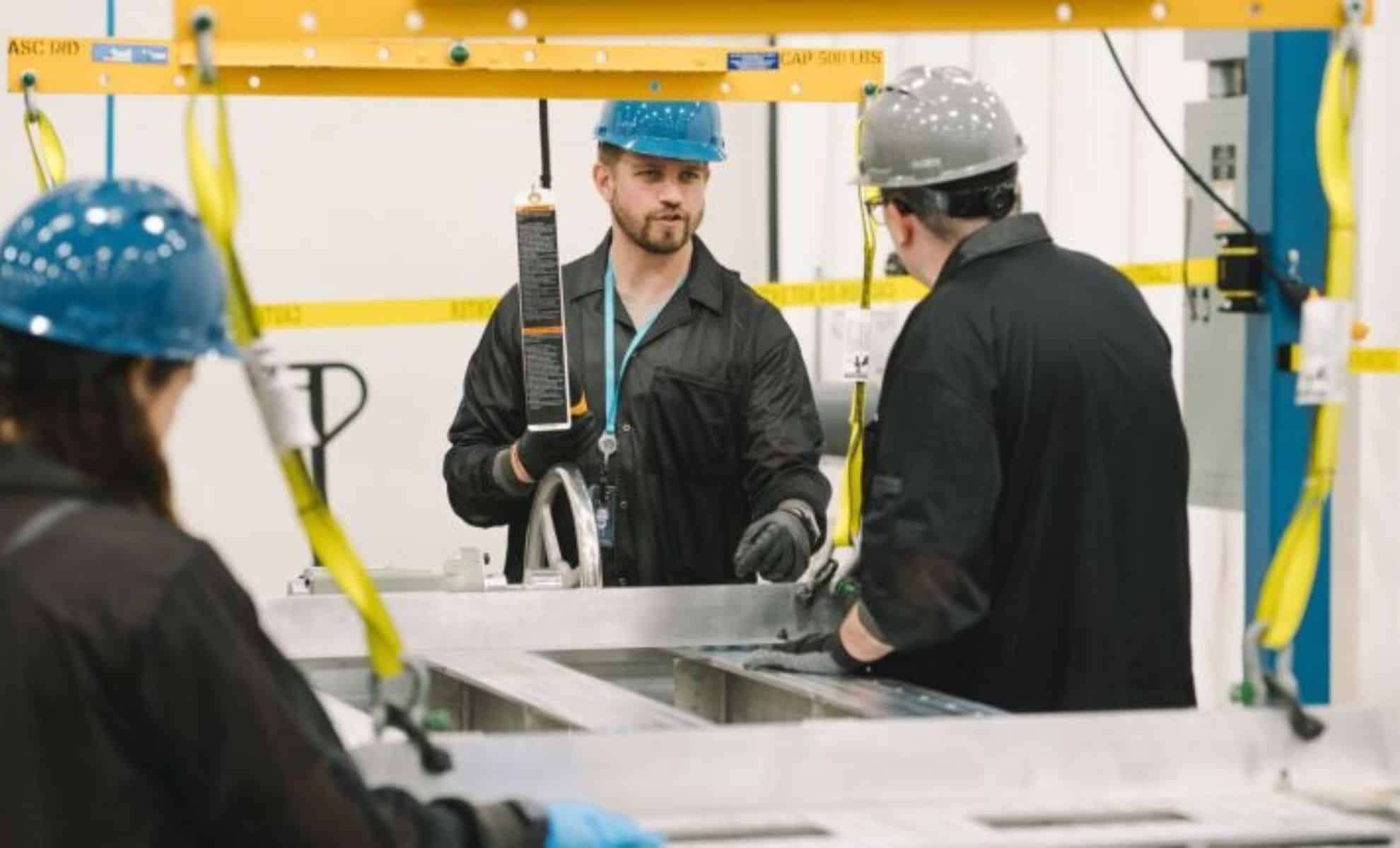
To build a qualified workforce, Amazon collaborates with the Lake Washington Institute of Technology to establish a certification program focused on satellite manufacturing, aimed at nurturing local talent and supporting Project Kuiper’s ambitious production demands.
- Categories:
- Astronomy ,
- News ,
- Space ,
- Aircraft







0 comments
Sign in to Comment