

Amazon is quickly becoming a prominent force in the commercial space sector on Florida’s Space Coast through its ambitious Project Kuiper satellite network. This project aims to deliver high-speed, affordable internet access to underserved populations around the globe, with preparations intensifying for numerous upcoming satellite launches.
Creating the Project Kuiper Satellite Network
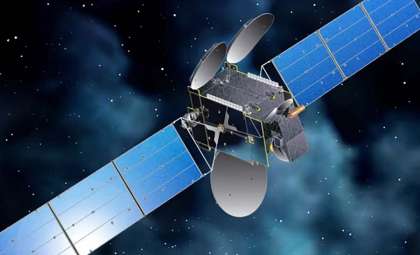
Project Kuiper plans to deploy a vast network of 3,236 satellites in low-Earth orbit. These satellites are being crafted internally at Amazon's expansive 172,000-square-foot manufacturing facility in Kirkland, Washington. When fully operational, the factory aims to produce as many as five satellites each day.
Following assembly, the satellites are transported to the Kennedy Space Center for final processing before launch. Amazon is actively constructing a $120 million satellite processing center at KSC and is in the process of recruiting 50 full-time employees with competitive salaries starting at $80,000.

The new workforce will comprise experts in technical assembly, logistics, mission oversight, and engineering—critical roles for the successful deployment and management of the constellation.
Launch Strategy and Collaborations
Amazon has secured launch contracts for up to 83 missions to deploy its Kuiper satellites. Most of these launches will utilize United Launch Alliance’s Vulcan and Atlas V rockets, alongside Blue Origin’s upcoming New Glenn vehicle, all operating from Cape Canaveral Space Force Station.
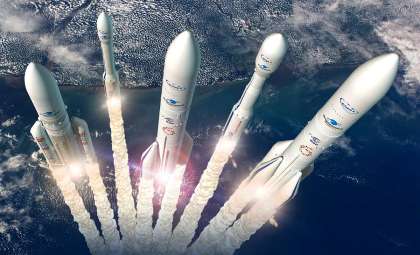
Additionally, 18 launches will be conducted by Arianespace's Ariane 6 rocket from the Guiana Space Center in French Guiana. This comprehensive launch schedule is vital to comply with the FCC’s mandate to have at least half of the constellation in orbit by July 2026.
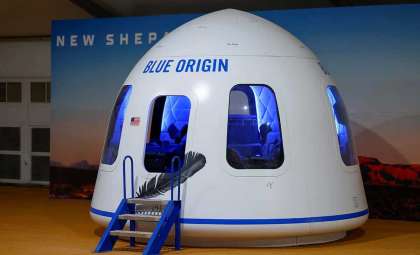
Partnering with multiple launch providers enables Amazon to maintain flexibility and resilience in meeting its ambitious deployment timeline. Blue Origin’s involvement—founded by Amazon founder Jeff Bezos—illustrates the strategic synergies forming in the commercial spaceflight arena.
Challenging SpaceX in Satellite Internet
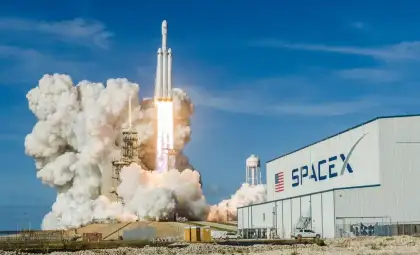
Amazon’s initiative places it in direct rivalry with SpaceX’s Starlink, which currently operates a leading satellite internet service with nearly 6,000 Starlink satellites in orbit since 2019, launched primarily on Falcon 9 rockets.
Amazon differentiates itself by using various launch providers, including its affiliated Blue Origin, to build out the Kuiper network. Despite fierce competition, Amazon anticipates ample market demand to support multiple high-quality satellite internet providers.
The growing competition mirrors the broader rivalry between Jeff Bezos and Elon Musk, extending from satellite internet into the commercial space travel sector through Blue Origin and SpaceX.
Milestones and Upcoming Developments
In October, Amazon marked a milestone by successfully deploying two prototype satellites, KuiperSat-1 and KuiperSat-2, on a ULA Atlas V rocket. The mission validated the core systems and demonstrated a flawless launch and deployment.
These early achievements are critical for proving Project Kuiper’s technology ahead of mass production. Amazon plans to initiate beta internet service trials for enterprise customers by year-end. Coverage will span latitudes 56 degrees north to 56 degrees south, encompassing approximately 95% of the global population.
The service will be tiered: business clients may access speeds up to 1 gigabit per second, standard users will receive about 400 megabits per second, and smaller customer units will deliver approximately 100 megabits per second.
This tiered approach addresses a broad spectrum of customers from large organizations to individual users.
Bridging the Global Connectivity Gap
Beyond commercial goals, Project Kuiper aims to significantly impact the digital divide by connecting hundreds of millions without reliable internet access worldwide.
By delivering fast and affordable broadband to remote and underserved communities, Amazon hopes to enhance access to vital resources including education, information, and economic prospects. The project addresses areas where installing traditional internet infrastructure remains costly or impractical.
This commitment emphasizes Amazon’s goal to use advanced technology to deliver broader social benefits.
Far-Reaching Effects and Forthcoming Innovations
Project Kuiper’s success could transform satellite internet accessibility, especially in hard-to-reach regions. Amazon’s large-scale investments in space technology highlight its dedication to closing the digital divide.
As construction progresses on Amazon’s KSC processing center and launches commence, the company is set to become a major player shaping the future of worldwide internet connectivity.
This venture reflects not only the spirited competition between industry titans like Amazon and SpaceX but also highlights the crucial role of innovation and cooperation in advancing satellite communication technologies.
The rollout of Project Kuiper will drive advancements across satellite manufacturing, launch operations, and network management, impacting the global tech landscape.
Economic Growth and Job Creation
Besides technological and societal impacts, Project Kuiper is poised to generate substantial economic benefits, especially within its operational hubs.
The building and functioning of the satellite processing facility at KSC will spur many high-wage jobs, boosting the regional economy. Continuing partnerships with diverse launch providers are expected to energize economic activities in aerospace and related sectors.
The creation of these roles and economic contributions exemplifies the wider influence of high-tech space initiatives on local and national economies.
Vision for the Future and Strategic Objectives
Looking forward, Amazon envisions continuous growth and enhancement of Project Kuiper’s satellite array. The company plans to incorporate cutting-edge technologies to boost network speed, reliability, and operational efficiency.
Future ambitions include exploring novel applications such as disaster management, environmental surveillance, and smart city support, leveraging the constellation’s capabilities.
Through ongoing innovation and expansion, Project Kuiper aims to lead the satellite internet sector, advancing global connectivity and technology progress.
- Categories:
- Astronomy ,
- News ,
- Space





0 comments
Sign in to Comment