

NASA has unveiled a groundbreaking technique to investigate the moon’s surface by launching tiny spectrometer devices directly into the lunar soil. These miniature instruments embed themselves within the regolith and swiftly assess its composition, offering a more efficient way to study the moon’s geology and resources.
Mechanics Behind the Spectrometer Projectiles
The innovation centers on compact spectrometers small enough to be housed inside slender bullets. When these projectiles are launched into the lunar regolith, they lodge into the terrain and begin determining the mineral makeup by analyzing light absorption and emission patterns. This produces unique spectral signatures that reveal the elemental composition of the lunar soil in targeted areas.
This approach allows astronauts or robotic explorers to deploy numerous spectrometers across broad zones rapidly, gathering detailed compositional data. This is particularly advantageous for shadowed regions near the moon’s south pole, where frozen water ice deposits are suspected to exist within permanently dark craters. Rather than drilling, these sensors can survey inaccessible spots more efficiently, providing vital information on available resources.

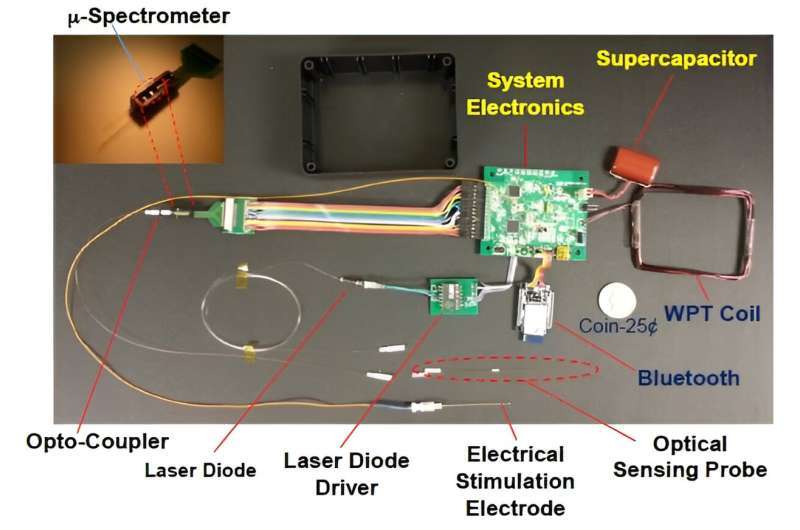
Fresnel Diffraction Enables Spectrometer Miniaturization
Conventional space spectrometers operate based on Fraunhofer diffraction, which requires significant distancing to measure spectral data accurately. This has historically resulted in large, less portable instruments. NASA’s method employs Fresnel diffraction, allowing the devices to perform well even at much closer proximities.
By utilizing Fresnel diffraction, the spectrometers can be drastically reduced in size to fit inside bullet-like shells while still capturing precise data. Deploying an array of these sensors can provide an extensive geological map of the moon’s surface and resources, all from numerous dispersed locations.
Expanding Uses Beyond Lunar Exploration
The mini-spectrometer bullet concept extends beyond the moon, with potential adaptation for Mars, asteroids, and other celestial bodies. For instance, Martian rovers could survey soil from a distance without traveling extensively, while orbiters might dispatch these devices onto asteroids to detect valuable minerals like metals and water — critical for future extraterrestrial mining.
Efficient data collection is vital in space missions where every moment and watt are precious. NASA’s approach conserves both, supplying immediate soil composition insights that assist astronauts and mission designers in choosing safe landing spots and optimal sites for habitats.
Significance for Upcoming Lunar Missions
This technology holds immense promise for NASA’s upcoming Artemis missions, which aim to sustain human activities on the moon long-term. Utilizing these mini-spectrometers helps identify resource-rich areas, including water ice, essential for life support and fuel production.
Additionally, analyzing diverse soil samples with these instruments can deepen understanding of the moon’s formation and geologic evolution over billions of years, providing clues about the history of the solar system as a whole.
In summary, NASA’s innovative mini-spectrometer bullet system marks a significant advancement in planetary exploration, offering rapid and widespread surface analysis. This technology has the potential to transform exploration strategies not only on the moon but also on Mars, asteroids, and beyond, fueling humanity’s quest to unravel the universe’s mysteries.
- Categories:
- Astronomy ,
- News ,
- Science ,
- Nasa










0 comments
Sign in to Comment