
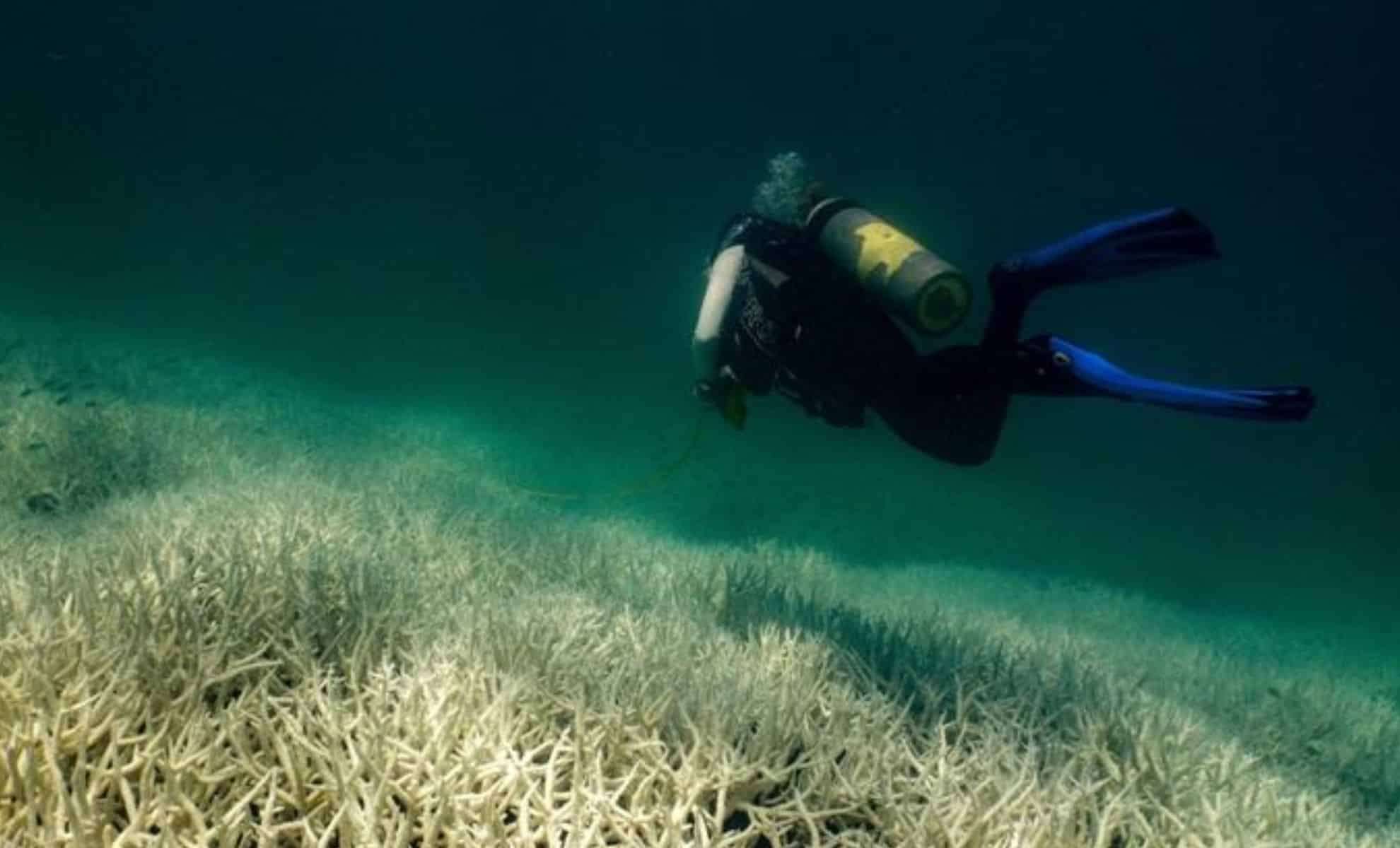
The Great Barrier Reef, a globally renowned natural treasure, is now under severe threat from record-breaking ocean temperatures.
Recent research has uncovered that sea surface temperatures across the Coral Sea, which surrounds the reef, have reached their highest point in over 400 years.
This surge in temperature is driving widespread coral bleaching, which endangers the rich marine life and biodiversity of the area.

Unmatched Heat Levels and Their Consequences
According to a report in Nature, sea surface temperatures in the first quarter of 2024 set a new 400-year high, surpassing the previous record by 0.34°F (0.19°C). “We are witnessing the loss of one of the planet’s greatest natural icons,” said Benjamin Henley, lead author and paleoclimatologist at the University of Melbourne, during a press briefing. “This beautiful ecosystem is sadly headed for decline.”
Coral bleaching happens when environmental stressors like heat spikes and pollution force corals to expel the symbiotic algae living within them. These algae provide essential nutrients, so their loss leads to the corals’ characteristic whitening and greater vulnerability to disease and mortality.
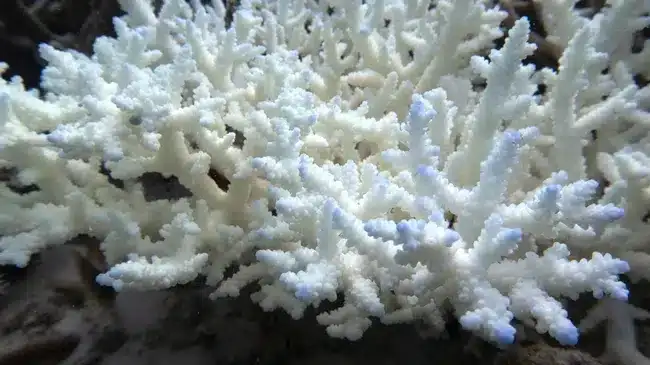
Intense heatwaves have drastically hindered coral recovery, causing potentially irreversible harm. Henley noted that “these frequent heat extremes outpace the corals’ ability to adapt or bounce back,” increasing the likelihood of widespread die-offs.
Reconstructing Four Centuries of Ocean Temperatures
The team reconstructed sea surface temperatures from 1618 through 2024 using data from multiple sites along the reef’s eastern edge. This included historical ship logs, satellite observations, and coral cores extracted from coral skeletons, which reveal annual growth patterns similar to tree rings. “Much like counting tree rings, these bands help us estimate past ocean temperatures,” explained Helen McGregor, co-author and paleoclimatologist at the University of Wollongong.
By analyzing the ratios of strontium to calcium in these coral samples, the researchers inferred historical water temperature changes. Their findings reveal a steady increase in sea surface temperatures, especially in recent decades, which strongly correlates with rising global greenhouse emissions.
During January to March 2024, temperatures averaged 1.38°F (0.77°C) above the 1970-1990 baseline, demonstrating a rapid warming trend. McGregor emphasized the severity of these results, stating, “The evidence clearly signals looming danger for the Reef as climate change accelerates.”
The Critical Need for Climate Action
This study affirms the grave impacts of climate change on the Great Barrier Reef. Sea surface temperatures from 2016 to 2024 were 1.38°F (0.77°C) above those recorded between 1970 and 1990, and nearly 3°F (1.7°C) higher than the coolest summer in the 400-year record. McGregor criticized UNESCO’s recent decision to retain the reef’s “serious threat” status rather than declaring it “in danger.”
The data highlight the urgent requirement for aggressive measures to curb greenhouse gas emissions and slow warming. Henley stressed, “We already have the tools to address this crisis but must act swiftly.”
Meeting the Paris Agreement target of limiting warming to 1.5°C remains vital, though even this would likely result in the loss of up to 90% of existing coral. Without substantial emission cuts, the Reef’s survival is at grave risk.
Exploring Methods to Protect Coral Reefs
Despite the bleak outlook, researchers are investigating ways to shield and rejuvenate coral ecosystems. Proposed strategies include breeding heat-tolerant coral varieties and relocating corals after marine heatwaves subside.
These measures face skepticism concerning their scalability and long-term effectiveness. Henley reiterated, “The frequency and severity of heat events challenge corals’ capacity to adapt and survive.”
Ongoing monitoring efforts provide essential data for understanding climate impacts and shaping conservation priorities.
With concerted international cooperation, a chance remains to safeguard this unique ecosystem. Henley acknowledged a “slim hope” exists if global warming can be effectively limited.
Wider Effects on Marine Ecosystems and Communities
The decline of the Great Barrier Reef extends far beyond coral loss, affecting diverse marine species relying on it for habitat and sustenance.
Coral die-offs provoke declines in fish populations and other organisms, disrupting food webs and destabilizing local fisheries.
The reef also supports regional economies through tourism and fishing. As it degrades, these industries and the livelihoods they sustain face serious threats.
Additionally, Indigenous peoples whose cultures and traditions are tightly linked to the reef confront significant challenges as their environment changes.
The plight of the Great Barrier Reef amid soaring ocean temperatures highlights the pressing importance of climate mitigation. As scientists continue their research and advocacy, global attention focuses on preserving this invaluable marine ecosystem.
Safeguarding the reef requires a shared commitment not only to protect a natural marvel but also to maintain environmental and economic stability worldwide.
- Categories:
- News ,
- Science ,
- Climate change








0 comments
Sign in to Comment