
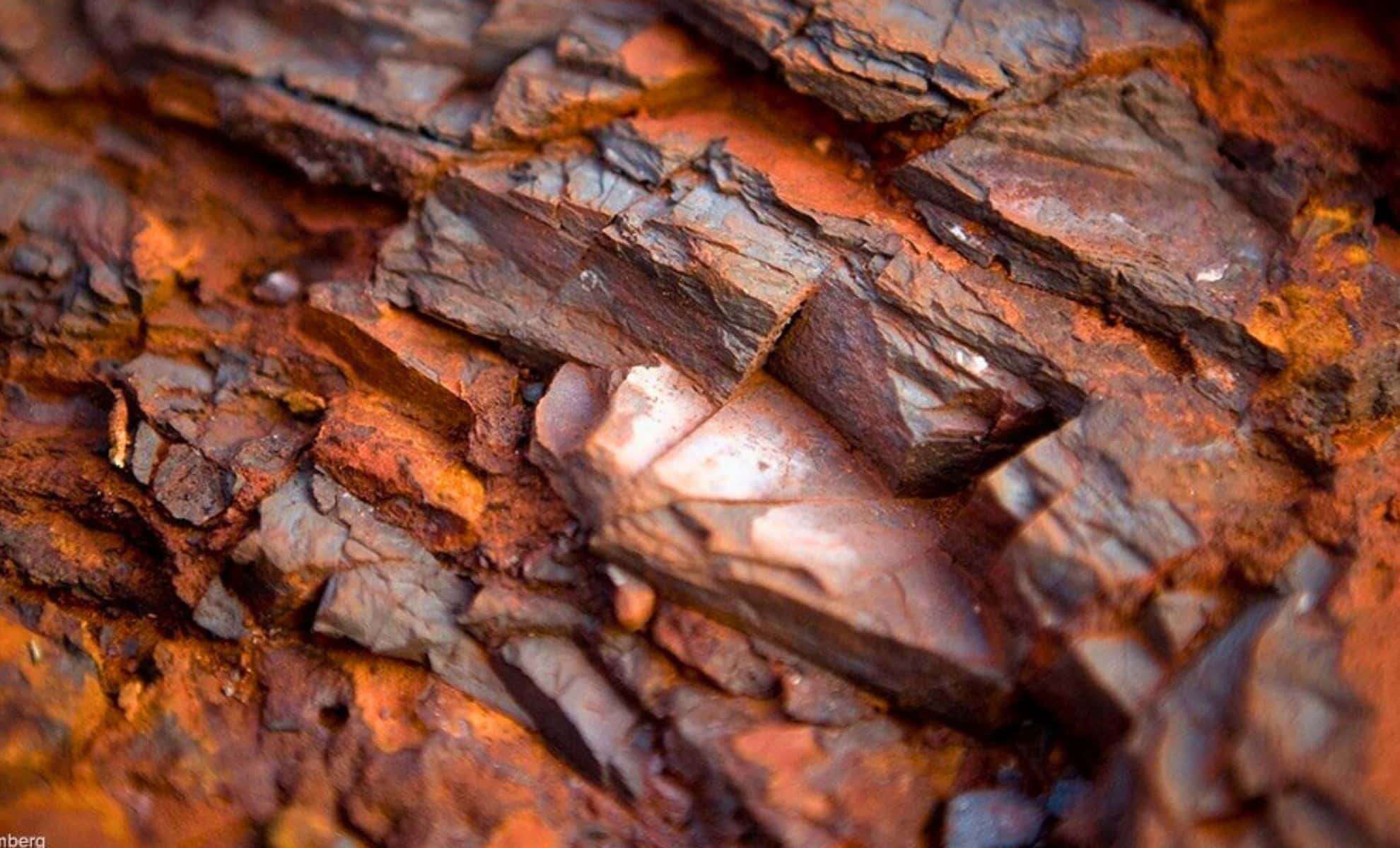
Researchers have identified the largest iron ore reserve known to date in the Hamersley Range of Western Australia. With an estimated volume of 55 billion metric tons, this colossal find reinforces the area’s critical role in the global iron supply while offering fresh insights for geological science. Valued at approximately $5.775 trillion USD based on current prices, its importance extends well beyond mining to influence scientific understanding of mineral formation.
Discovering a Geologic Giant in the Hamersley Range
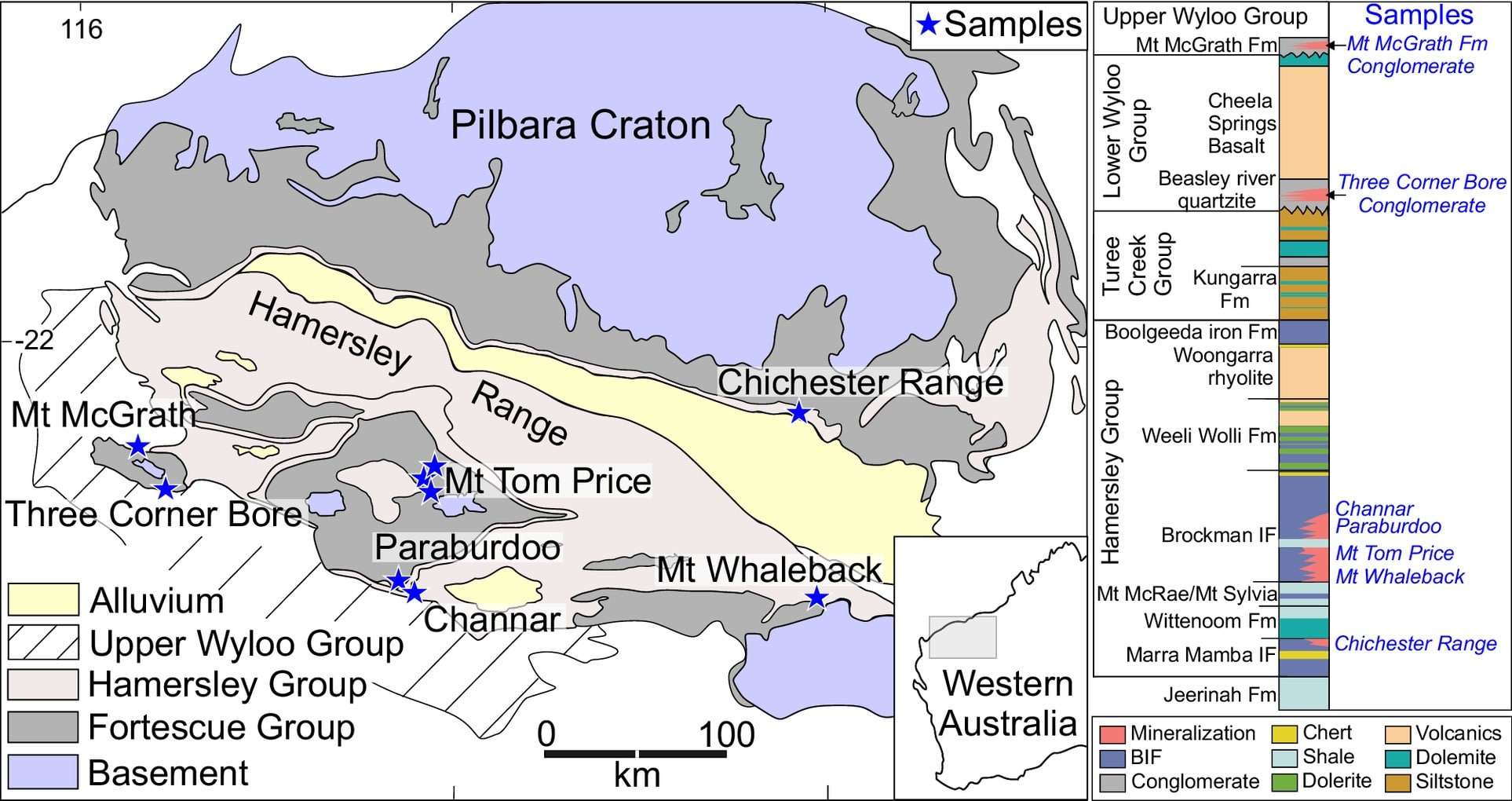
The Hamersley Range, part of the ancient Pilbara Craton, has historically been a key mining hub rich in minerals. The newly detected deposit surpasses previous records in size and economic potential, reshaping expectations for iron ore exploration in the region.
Dr. Liam Courtney-Davis, affiliated with Curtin University, stated, “This discovery indicates that our current understanding of mineral formation and large-scale geological developments requires significant revision.” The remarkable scale of this deposit has motivated scientists to reconsider how such massive accumulations form and endure over billions of years.

Key details of this extraordinary discovery are summarized below:
This overview highlights both the scale and profound scientific and economic implications posed by the discovery.
Deciphering a Billion-Year-Old Geological Puzzle
By applying uranium-lead isotopic dating, scientists have dated the deposit’s formation to about 1.4 billion years ago, revising previous estimates by nearly 800 million years. This new timeline connects the ore body's origin with shifts in ancient supercontinent cycles, offering a refreshed narrative of Earth’s geological history.
An expert highlighted, “Uncovering links between these vast iron deposits and supercontinent movements deepens our grasp of early Earth processes.” These results imply that the ore’s creation was influenced by complex tectonic and climatic factors previously unappreciated.
Insights into the Formation of Earth’s Most Iron-Rich Deposits
Geochemical evidence revealed that the mineral content evolved from approximately 30% iron to above 60%, driven by extensive chemical weathering and tectonic shifts. This progression emphasizes how surface and deep Earth dynamics combined to concentrate the ore.
Associate Professor Martin Danisík observed, “Clarifying the timeline of this iron enrichment, from initial levels to their current concentration, was long uncertain.” These findings clarify the processes behind one of the planet’s greatest mineral accumulations.
The Economic Impact of a Landmark Discovery
Worth over $5.7 trillion USD, the Hamersley mining resource stands to reinforce Australia’s position as a leading iron exporter. This discovery is expected to affect global iron markets, altering trade patterns, supply chains, and pricing.
The vast scale underscores the necessity for innovative exploration methods that enhance both resource identification and efficient extraction — potentially mitigating environmental impacts and promoting sustainable mining practices.
Rethinking Geological Paradigms
The extraordinary size and revised timeline of this iron deposit challenge established beliefs around banded iron formation (BIF) development. The results affirm that tectonic shifts and supercontinent breakup played critical roles in forming mineral densities previously underestimated.
Dr. Courtney-Davis and colleagues emphasized that this finding could spark a fundamental change in geological perspectives, urging a more nuanced view of resource genesis and Earth's evolving crust.
Advancing Future Exploration Techniques
The success seen in Hamersley illustrates the benefits of combining isotopic analysis, advanced geochemical profiling, and precise geological mapping. These integrated approaches are shaping a new template for upcoming mineral exploration worldwide.
A project representative commented, “This enhances our capacity to target promising areas in the future,” highlighting the possibility that other vast resources lie hidden in locations once dismissed, with minimal environmental and economic disruption.











0 comments
Sign in to Comment