
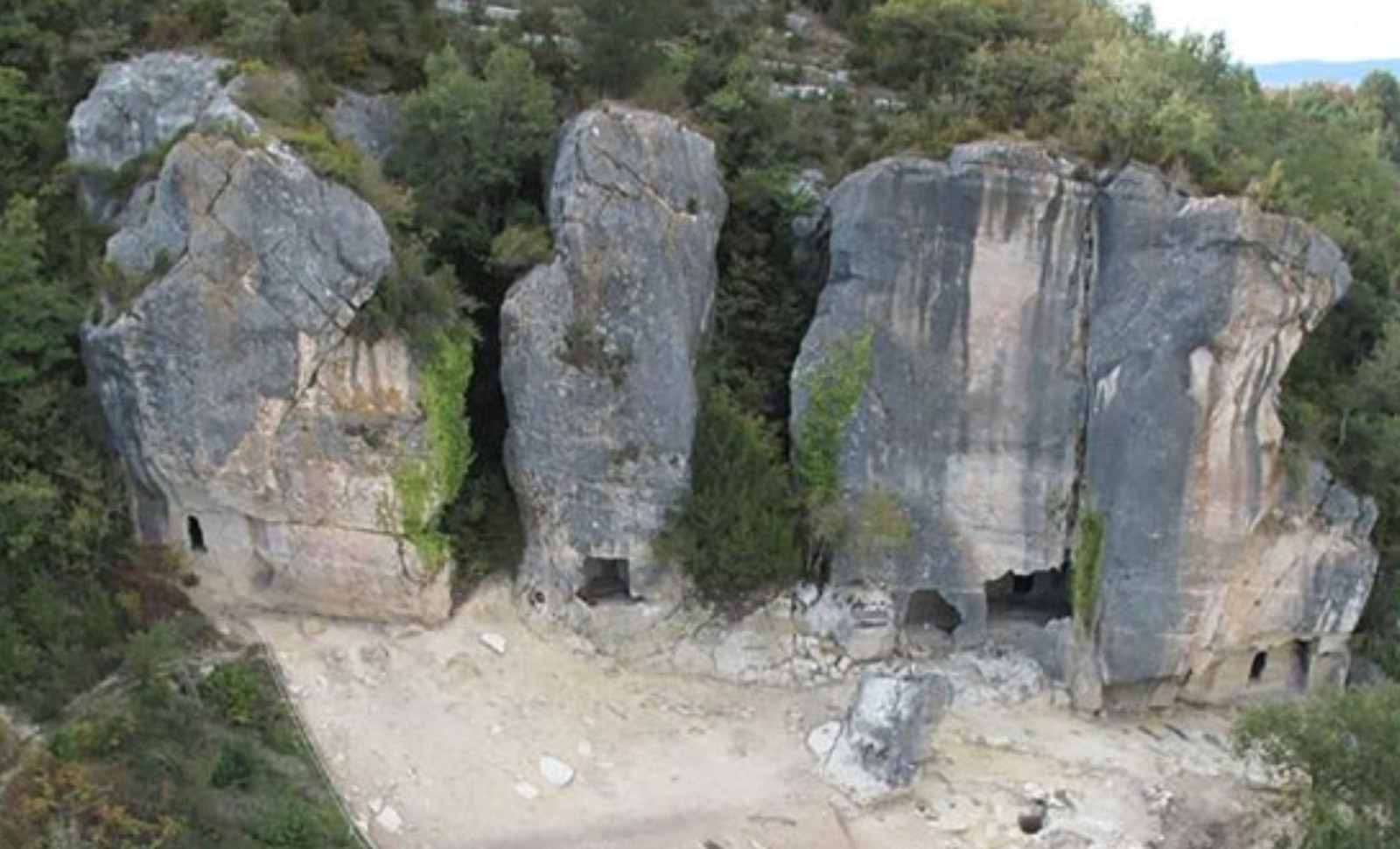
Researchers have conducted an in-depth study on skeletal remains from Las Gobas, a medieval cave settlement in northern Spain, revealing surprising details about a community that endured centuries of change on the Iberian borderlands. By integrating ancient DNA analysis with archaeological and historical findings, the team has challenged previous perceptions of this secluded group.
Featured in the journal Science Advances, the investigation provides a rare and detailed look into the inhabitants of Las Gobas from the 6th to 11th centuries. The results depict a narrative of seclusion, resilience, and subtle connections unveiled through meticulous examination of the site’s ancient remains.
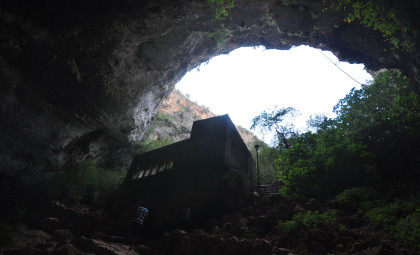
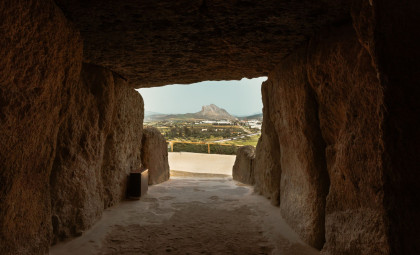
Situated in what is now the province of Burgos, near the village of Laño, Las Gobas is notable for its rock-hewn church and homes. Its burial site, housing dozens of graves, has become central to an ongoing probe unlocking secrets buried for nearly a millennium.

An Insular Community Over Many Generations
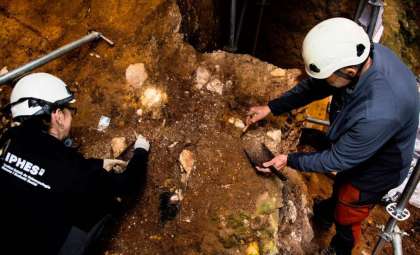
The research group analyzed genetic data from 39 out of 41 buried individuals at the cemetery. Published in Science Advances, their results indicate a population practicing endogamy, where families primarily married within the community for numerous generations. The study was overseen by Ricardo Rodríguez Varela from Stockholm’s Centre for Palaeogenetics. He noted:
“Our findings indicate that this community stayed relatively isolated for at least five centuries,” said Rodríguez Varela. Although Las Gobas is located just north of regions under Islamic rule, “we found relatively low levels of North African and Middle Eastern ancestry compared to other medieval individuals from the Iberian Peninsula, and we did not observe a significant increase in these ancestries after the Islamic conquest of Iberia.”
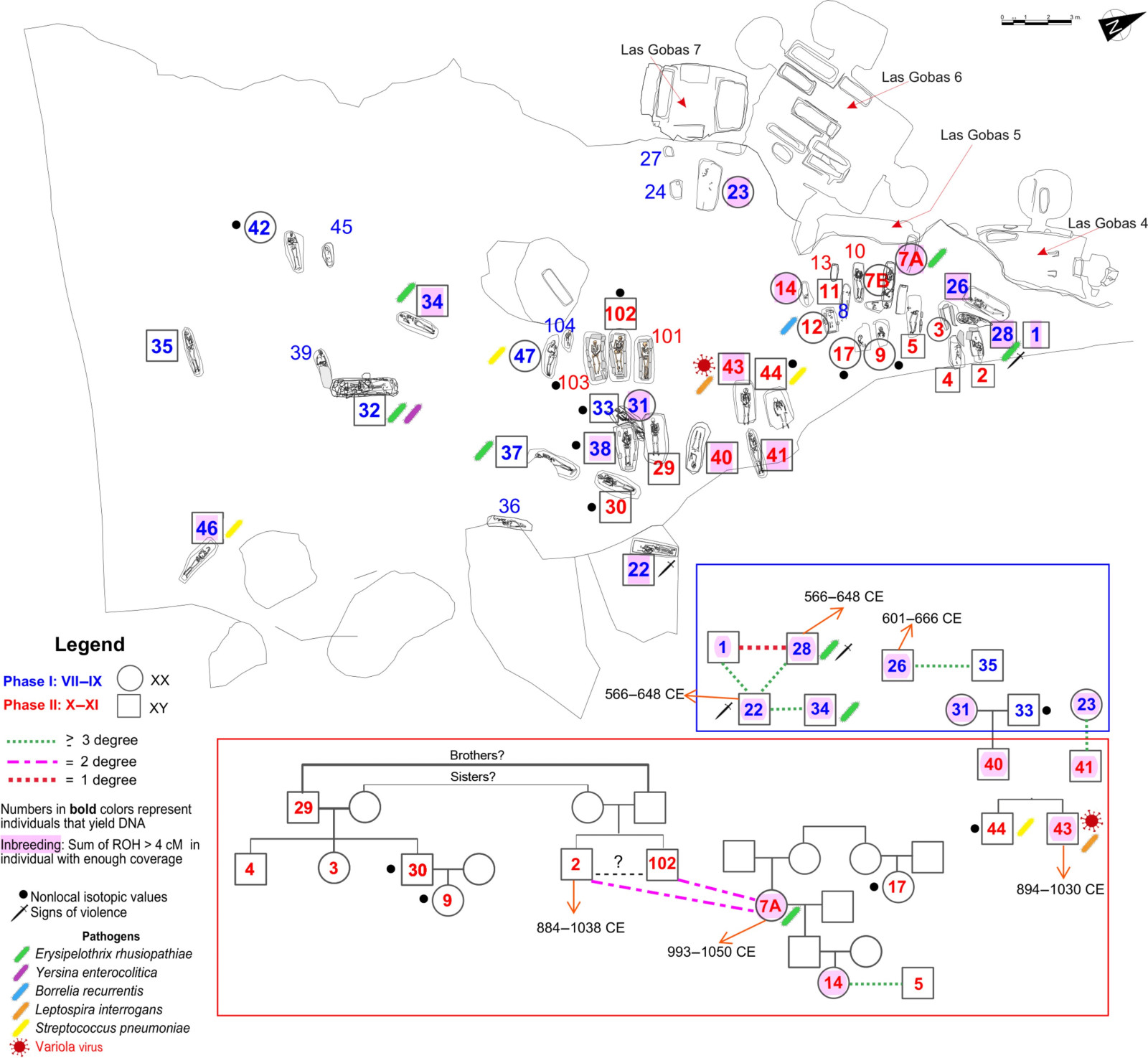
The genetic profile displayed limited North African and Middle Eastern elements, unlike other contemporary medieval Iberian populations. No notable rise in these ancestries was detected following the Islamic invasion.
This aspect intrigued the scientists, as many Iberian areas experienced significant demographic blending during the era. Las Gobas appears to have retained a distinct lineage over centuries of historical change.
Pathogen Evidence Sheds Light on Daily Life
Beyond genetic origins, the team investigated ancient pathogens found within the remains, offering fresh perspectives on health and routine challenges faced by the cave dwellers.
Zoé Pochon from the same research center explained the team identified Erysipelothrix rhusiopathiae, a bacterium linked to skin infections through contaminated wounds, typically associated with interaction with domestic animals.
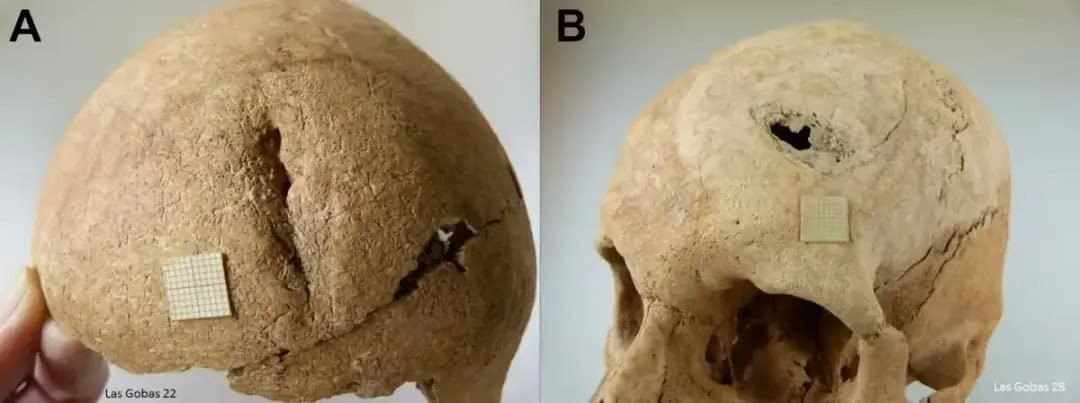
This finding points to animal husbandry as an essential component of the community’s livelihood and everyday tasks. Additionally, physical trauma consistent with sword-induced wounds on some bones reflects episodes of violence among inhabitants.
Ancient Smallpox Strain Ties to Broader Europe
A notable discovery was the detection of the variola virus, responsible for smallpox, in a late burial from Las Gobas.
The identified strain closely matches variants previously detected in Scandinavian, German, and Russian medieval contexts. This correlation hints at a widespread circulation of the virus across Europe during that time. Moreover, it invites a reevaluation of how smallpox first appeared in the Iberian Peninsula.
“It is amazing how much information we were able to gather on this group of people through our archaeogenetic investigation.” said Anders Götherström, the senior author of the study. He also added that: “By the 10th century, smallpox seems to have affected Las Gobas, likely spreading through Europe rather than via Islamic routes, as was previously theorized for how smallpox entered Iberia.”
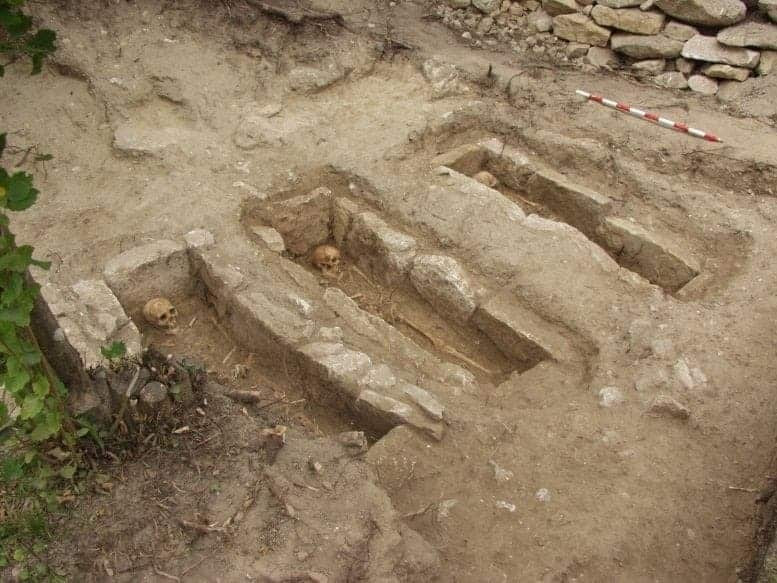
This research illuminates a community that maintained isolation amidst political turmoil, disease outbreaks, and violence while navigating an evolving medieval European landscape.
- Categories:
- Science




0 comments
Sign in to Comment