
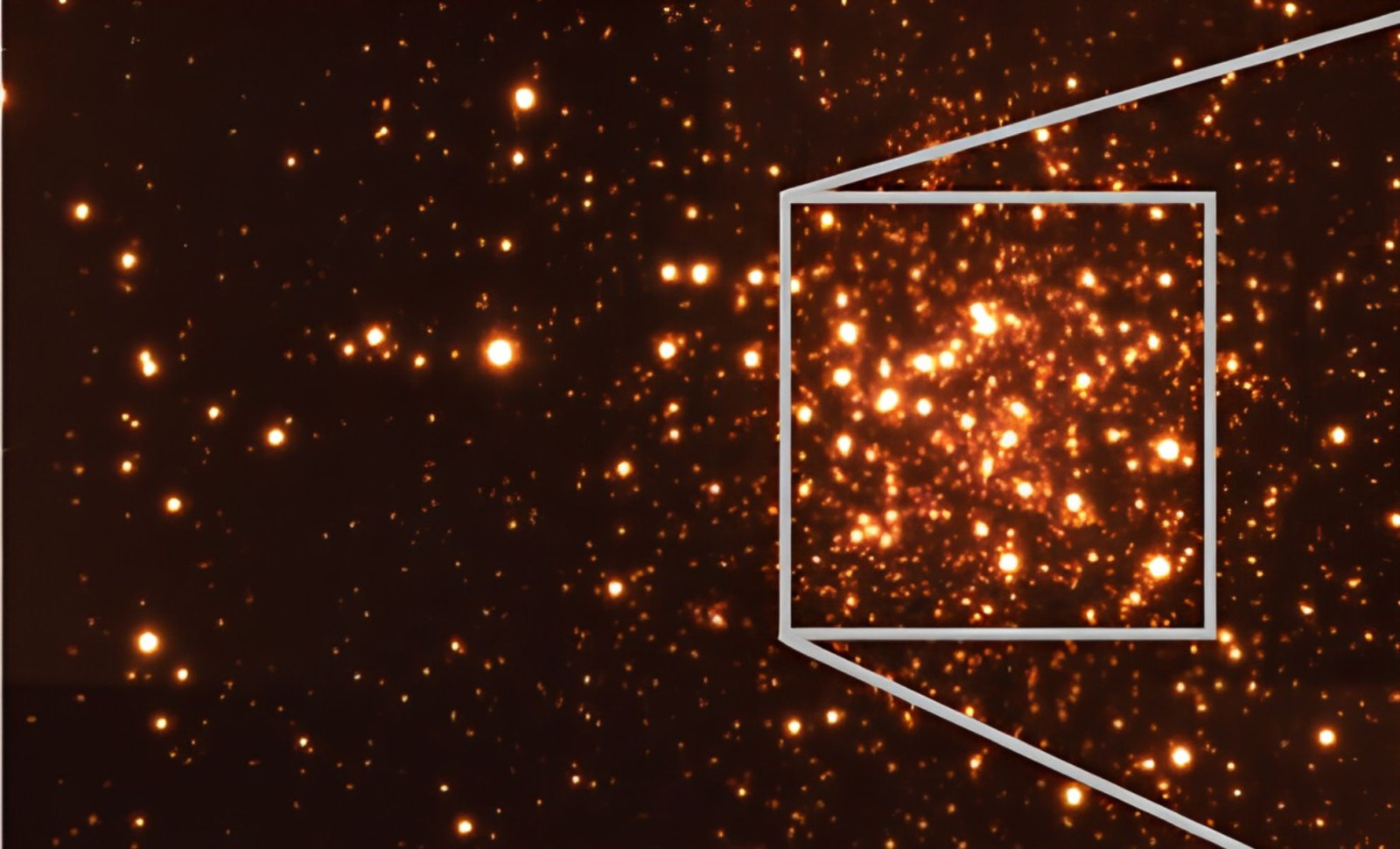
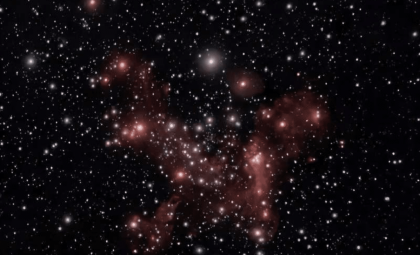
New insights from the James Webb Space Telescope, combined with long-term data from the Hubble Space Telescope, have unveiled that Terzan 5 hosts four separate star generations. This discovery highlights a far more intricate past than the previously assumed simple globular cluster origin.
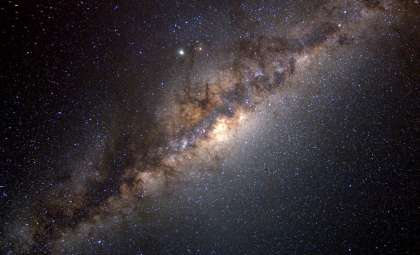
Situated close to the Milky Way’s core, this stellar assembly has long fascinated astronomers. Recent evidence suggests it might be the enduring core of a significantly larger ancestral system, which formed in the earliest epochs of our galaxy’s development.
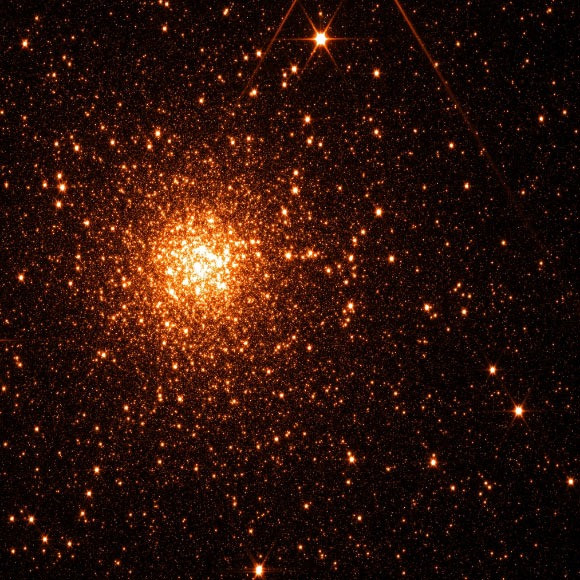
First identified in 1968 by astronomer Agop Terzan, Terzan 5 lies approximately 19,000 light-years away in the Sagittarius constellation. It contains hundreds of thousands of stars and shares similarities with traditional globular clusters, dense spherical groups of ancient stars surrounding many galaxies.

However, Terzan 5 has always stood out from typical clusters. Discoveries in 2009 indicated the presence of two distinct stellar populations. Further Hubble observations revealed these populations belong to separate epochs, implying a more dynamic history than standard globular clusters demonstrate.
Webb’s Infrared Vision Clears the Cosmic Veil
The challenge studying Terzan 5 stems from its location within the densely packed inner bulge of the Milky Way, where thick dust clouds obscure visible light.
The James Webb Space Telescope provided the key to peer through this dust, revealing numerous stars previously hidden. By analyzing their brightness and color, scientists could deduce both their ages and elemental compositions.
“Webb’s new near-infrared observations, cross-referenced with Hubble’s archival observations, have given us a much clearer picture of the history of Terzan 5,” said Giorgia Zullo, a Ph.D. student at the University of Bologna.
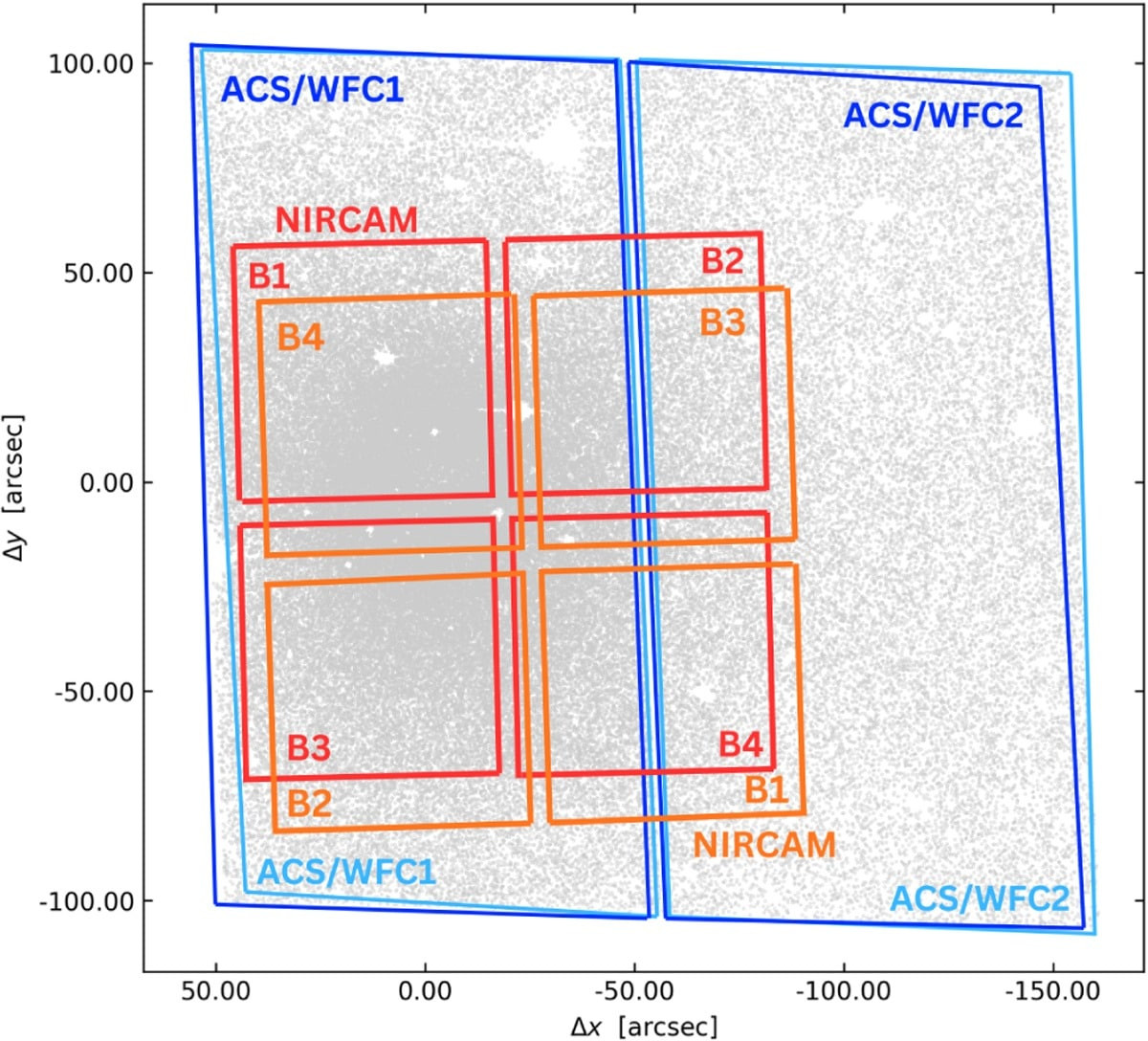
This enhanced clarity allowed researchers to catalog a more comprehensive inventory of stars in and near Terzan 5, including faint stars missed in earlier surveys.
Uncovering Four Unique Star Generations
Determining which stars belong to Terzan 5 required tracking their motions. By comparing Hubble images taken 12 years apart, the team measured subtle proper motions of stars. This technique helped isolate Terzan 5 stars from others in the Milky Way bulge, as detailed in the published study.
With combined Webb and Hubble data, astronomers identified four distinct star populations. The eldest dates back roughly 12.5 billion years, followed by stars formed around 4.7 billion, 3.8 billion, and 2.5 billion years ago.
Earlier theories suggested a later star-forming event might have been triggered by interactions with a globular cluster or massive molecular cloud. The discovery of multiple distinct populations challenges those ideas.
An Ancient Relic Within Our Galactic Core
Further investigation of the stars’ chemical signatures using data from the W. M. Keck Observatory and ESO’s Very Large Telescope uncovered clear variations among the star groups.
“Along with the ages of these populations, the cluster preserves a fossil record of progressive enrichment of heavy elements by supernovae,” said R. Michael Rich of the University of California.
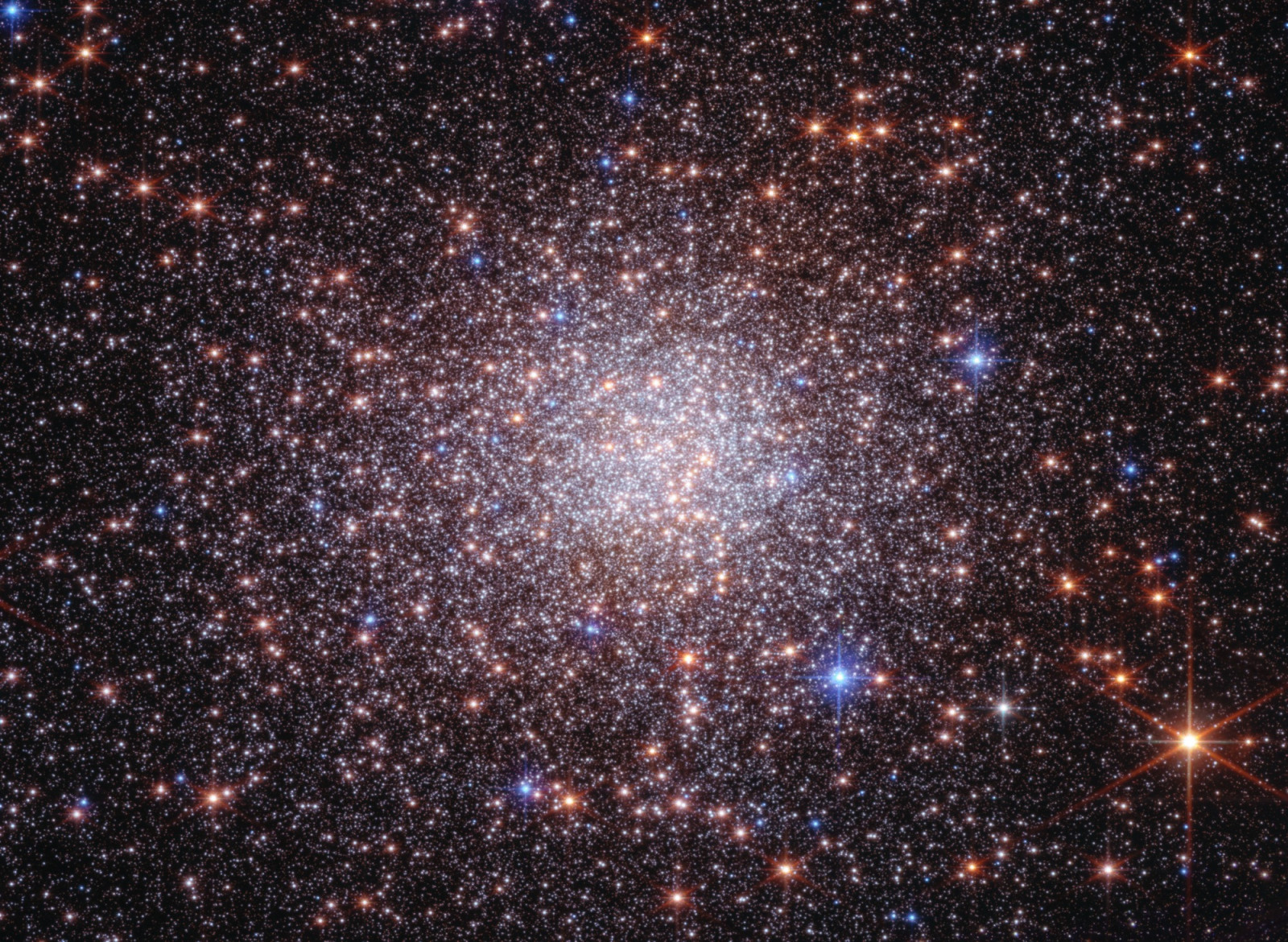
The evidence suggests the predecessor of Terzan 5 was massive enough to retain gas and enriched elements expelled by supernova explosions. In contrast, smaller stellar systems typically lose this material to interstellar space. This retention allowed Terzan 5 to sustain new star formation episodes over billions of years. The study concludes Terzan 5 is a surviving fragment of a once much larger stellar system formed around 12.5 billion years ago, persisting as the Milky Way’s bulge was assembling.
“For some reason, this peculiar clump of stars formed separately from the bulge and was not destroyed as the bulge itself formed,” noted Francesco Ferraro of the University of Bologna.
Ferraro described Terzan 5 as a “bulge fossil fragment,” a rare relic providing crucial insights into the early building blocks that shaped our galaxy’s central regions.
- Categories:
- Astronomy



0 comments
Sign in to Comment