
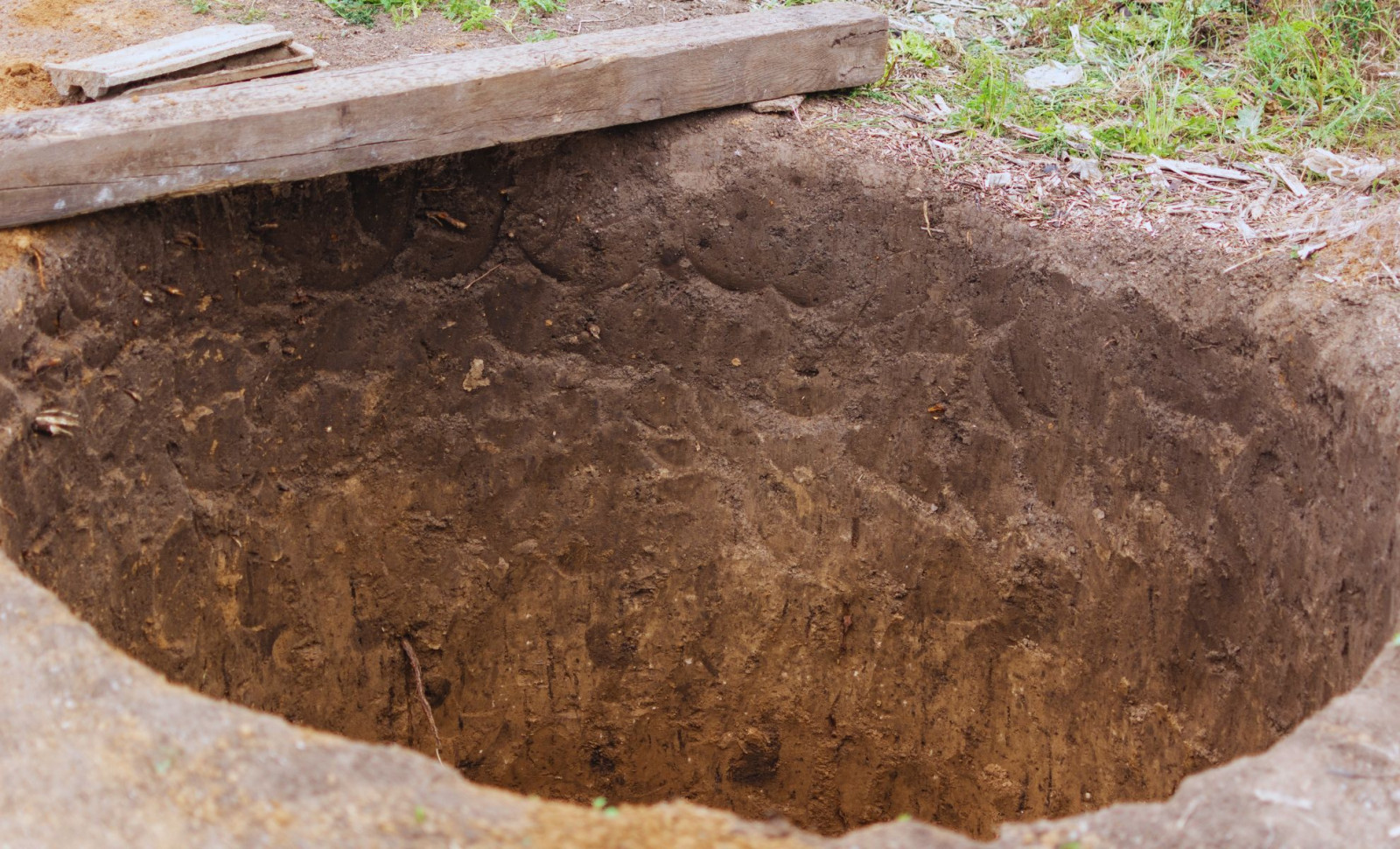
Almost seven centuries after the Black Death ravaged Europe, a vast pit containing human remains has been uncovered close to Erfurt, Germany. Though the exact identity of the site has not yet been confirmed, experts suspect it could be one of the 11 renowned plague burial sites recorded in medieval chronicles. Proving this theory would mark a major breakthrough in historical archaeology.
During the year 1350, large numbers of Black Death victims were interred in communal graves around Erfurt, but the precise locations have long remained unknown. Now, utilizing advanced scientific tools alongside historical data, researchers believe they have accurately identified one such burial pit.
Understanding the Impact of the Black Death
The 14th-century pandemic known as the Black Death stands as one of Europe’s deadliest health crises. Historical sources report that roughly 12,000 plague victims were laid to rest in mass graves outside Erfurt’s city perimeter. These burial pits arose in response to the catastrophic loss that decimated nearly half of Europe’s populace.

While records acknowledged such grave sites, their exact whereabouts remained a mystery for centuries. Today’s researchers have combined methodologies to potentially pinpoint one of these lost pits.
The Techniques Behind the Discovery
According to a study published in PLOS One, the team from Leipzig University integrated historical investigation, geophysical scanning, and sediment examination to locate the grave. They employed electrical resistivity mapping to survey underground variations, highlighting anomalies consistent with a mass burial site.
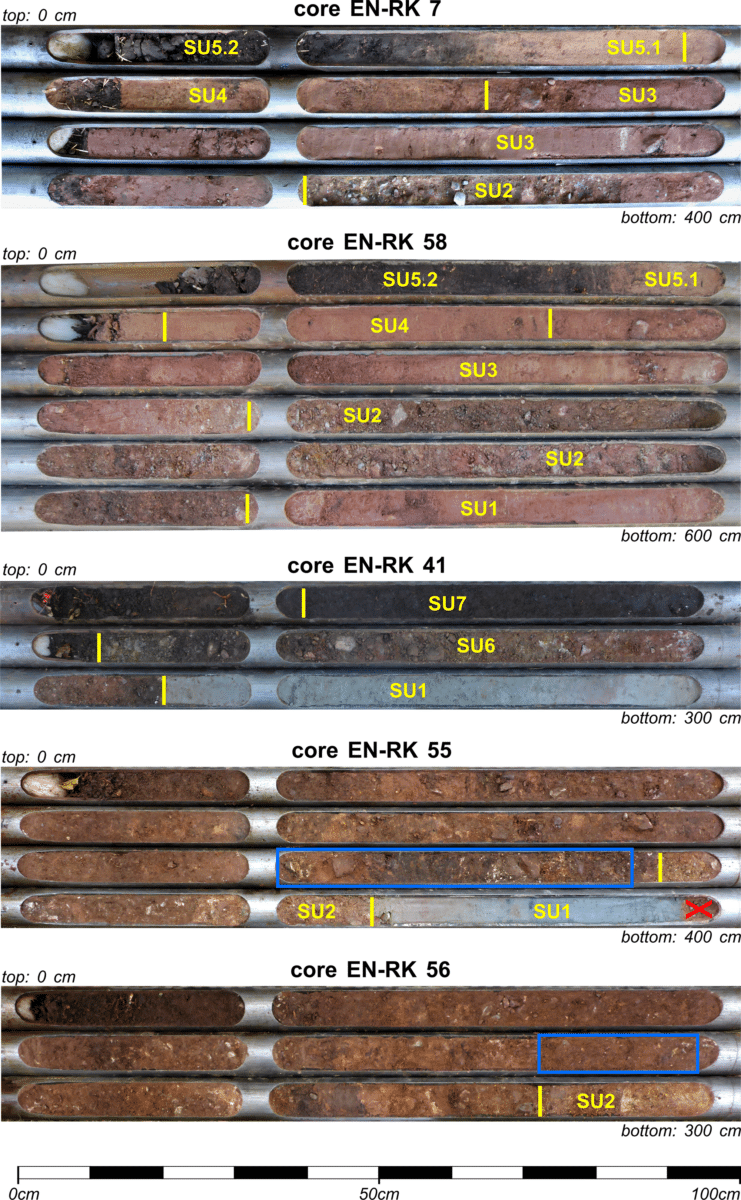
Michael Hein, the study’s principal investigator, described the method as allowing them to "read the landscape as an archive." He further explained:
“This approach may also help to locate and protect other epidemic- or conflict-related mass graves in the future.”
The burial site, lying near the deserted medieval settlement of Neuses, aligns with contemporary mortuary customs and has yielded human skeletal remains within the extensive pit.
Potential Implications of This Landmark Find
Though still pending full archaeological confirmation, this discovery could transform strategies for identifying plague-related mass graves and other communal burials. Traditionally uncovered incidentally during building projects, this systematic method could enable the discovery of additional epidemic or conflict burial sites in the future. As Christoph Zielhofer, head of LeipzigLab’s Historical Anthropospheres research group, observed:
“This discovery is not only of archaeological and historical importance,” he said “It helps us to understand how societies deal with mass mortality and how modern interdisciplinary science can contribute to locating mass graves, topics that remain relevant even in the 21st century.”
Beyond its historic value, the finding may also inform our understanding of the plague’s transmission and its societal effects in the medieval era. As Martin Bauch, co-author of the paper, noted:
“This finding aligns with both modern soil science and the medieval ‘miasma theory,’ which held that diseases spread through ‘bad air’ and ‘vapors’ arising from decaying organic matter.”
- Categories:
- Science










0 comments
Sign in to Comment