
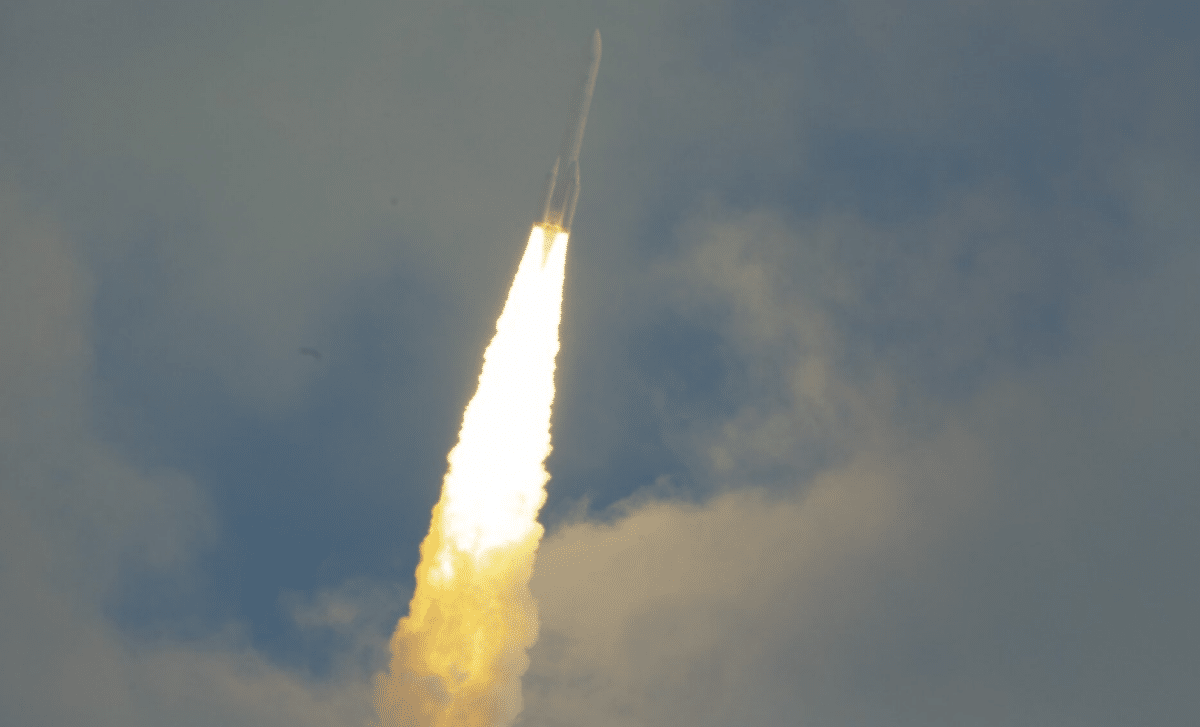
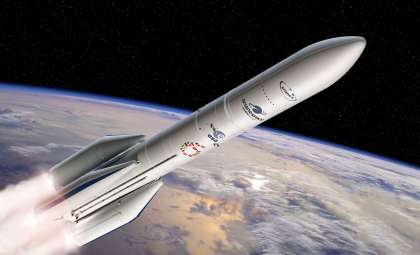
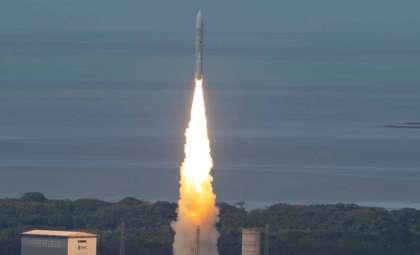
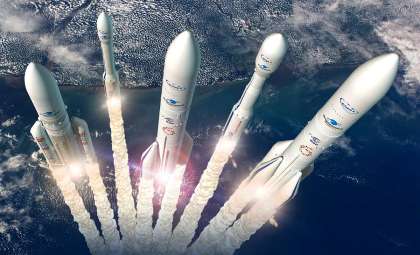
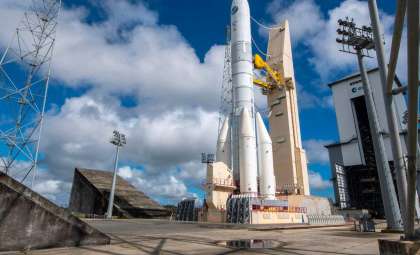
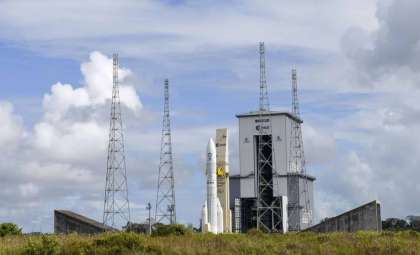
On June 17, Europe marked a milestone in spaceflight with Ariane 6 undertaking its most powerful launch yet. The ESA reported that the launcher took off from Europe’s Spaceport in French Guiana, transporting 36 satellites destined for Amazon’s low-Earth orbit communication system. This mission introduced the enhanced booster system featuring the latest P160C solid rocket motor, showcasing improvements in thrust and payload capacity alongside the rocket’s built-in upgrade strategy.
Ariane 6 Advances With Next-Gen Booster Technology
Breaking through the cloudy skies over French Guiana, the rocket’s flight emphasized the rapid progress of Ariane 6 since its initial flights in 2024. Equipped with four newly upgraded P160C boosters, this version significantly outperforms the earlier models that utilized the P120C motor.
This latest booster iteration adds roughly 14 tonnes more solid propellant per unit, increasing thrust and enabling greater flexibility for payloads. The enhanced power enables more ambitious missions, including lofting heavier payloads or executing more complex orbital insertions, reinforcing Europe’s ability to sustain autonomous access to space amidst rising competition worldwide.

Beyond technological gains, the deployment of Amazon’s 36 satellites underscored Ariane 6’s commercial readiness. Handling such significant constellation launches is a critical marker of reliability and capability in fulfilling the demands of major global customers, cementing the rocket’s role in the commercial launch sector.
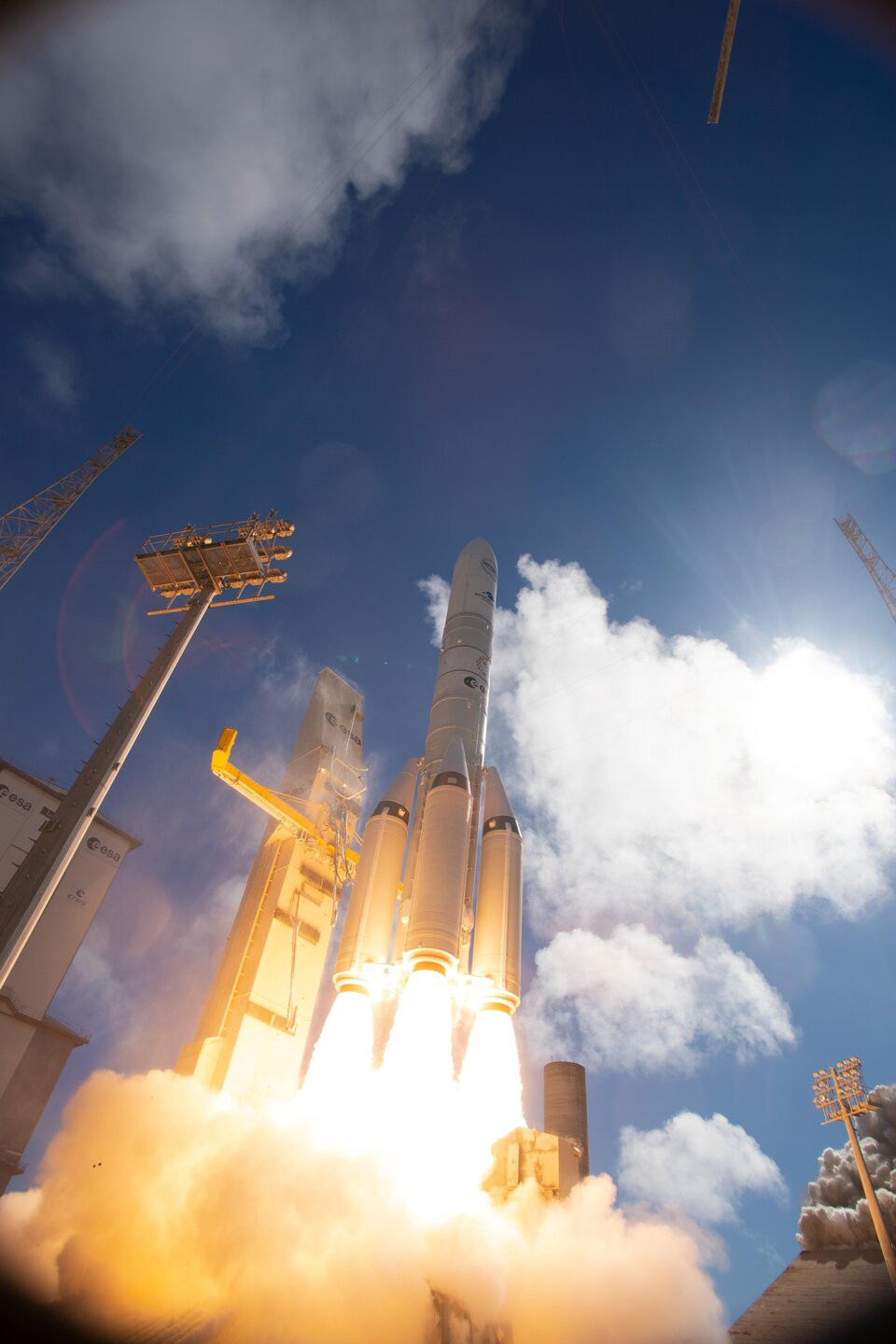
The P160C Motor: Powering Increased Performance
The highlight of the flight was the new P160C booster, measuring about 14.5 meters in height and fueled with 156 tonnes of propellant. This represents the latest generation of Europe’s solid booster technology.
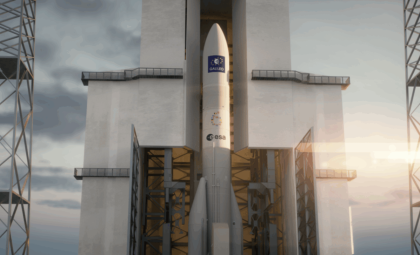
Designed to fit smoothly into the existing Ariane 6 design, the additional height—approximately one meter taller than the P120C—is accommodated within the existing booster fairings, ensuring no changes to attachment points or the rocket’s overall configuration are needed. This approach simplifies integration while delivering a significant performance boost.
This upgrade embodies Ariane 6’s core philosophy: to serve as an adaptable launcher platform that benefits from ongoing refinements. The success of the P160C variant demonstrates how incremental enhancements allow for performance gains without the time and expense of creating a completely new vehicle.
ESA Emphasizes Design for Adaptability and Growth
ESA states that the Ariane 6 was engineered as a versatile launcher capable of serving multiple types of missions—from navigation and scientific research to telecommunications and exploration probes.
Such flexibility is increasingly valuable as both governmental and commercial customers require launchers that can switch between diverse payloads and mission demands quickly. Ariane 6 meets this need with configurable boosters and a roadmap for future technical upgrades to continuously enhance capability.
The June 2026 flight offered a clear demonstration of this adaptability. It enhanced lift performance using advanced boosters while keeping operational procedures consistent. This evolutionary strategy helps Europe remain competitive in a dynamic launch market where customer needs frequently evolve.
Massive Fairing Carries 36 Satellites to Orbit
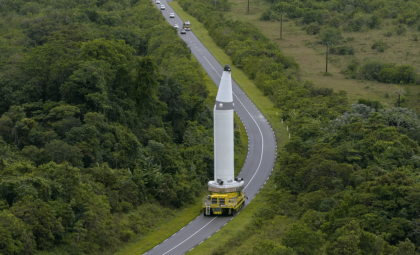
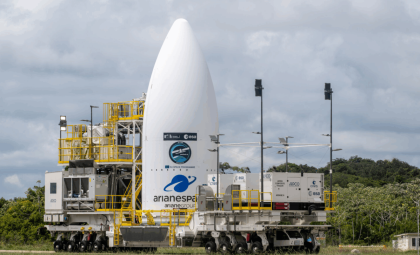
A notable feature of the mission was the deployment of all 36 Amazon satellites beneath the expansive Ariane 6 payload fairing, which shielded the payload during ascent before jettisoning in space.
At around 20 meters tall, the fairing is one of the launcher's most prominent elements and its large internal volume accommodates complex satellite configurations and bulk payloads. This mission required ample space to hold numerous satellites designed for low Earth orbit.
The precise orbital release of multiple spacecraft shows the rocket’s ability to handle intricate deployment demands, enhancing confidence in Ariane 6's role in supporting large-scale satellite constellations shaping modern global communications.
- Categories:
- News


0 comments
Sign in to Comment