
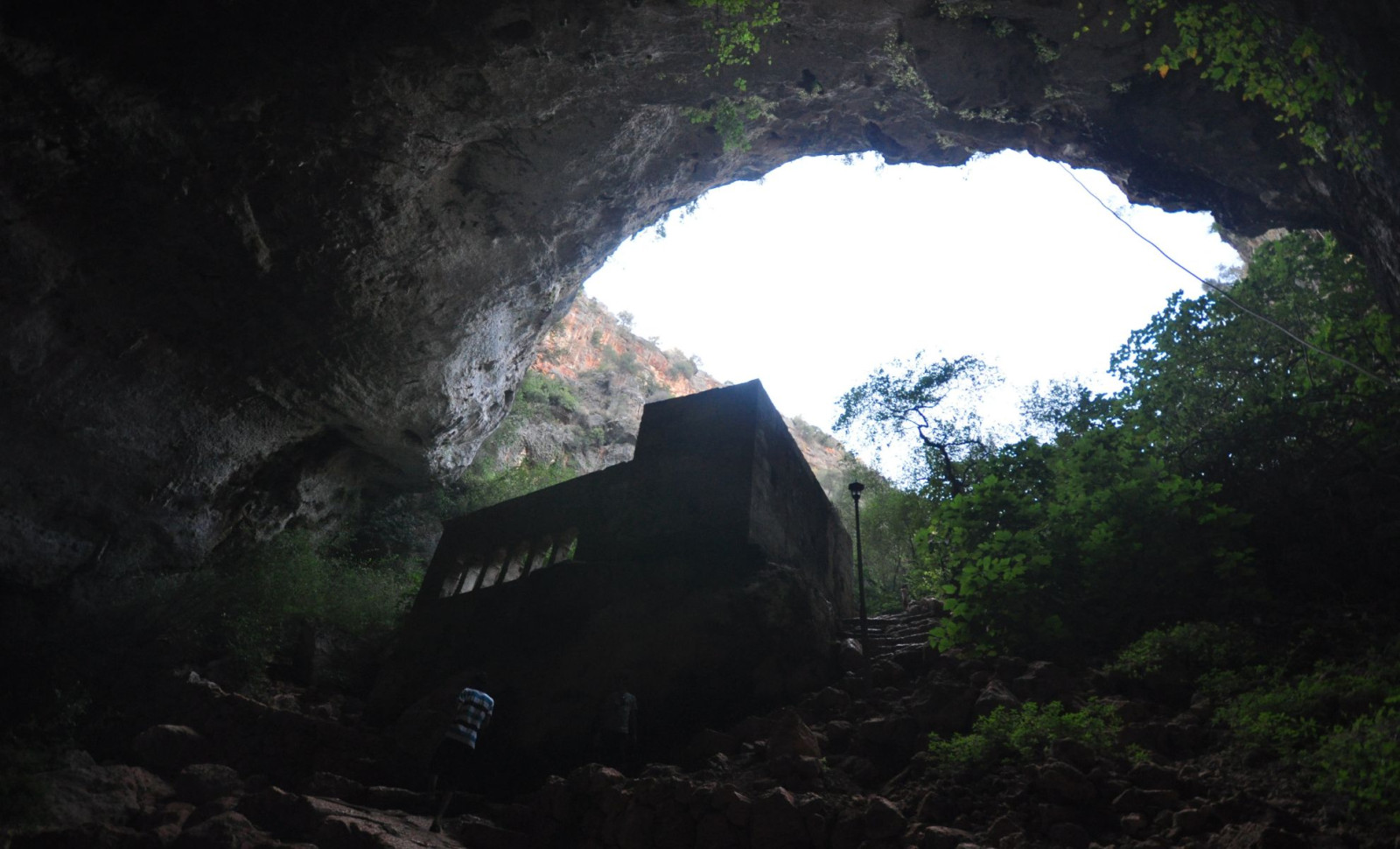
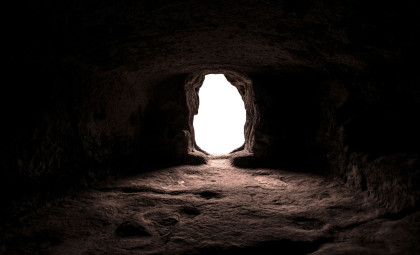
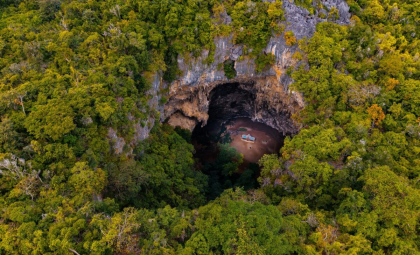
At first sight, El Mirón Cave may appear as a typical limestone shelter nestled in the mountains of northern Spain. However, beneath its surface lies an archaeological treasure trove that took experts thirty years to fully unravel.
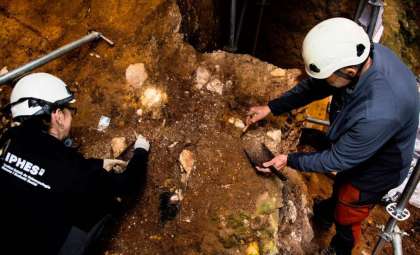
Excavations initiated in 1996 have uncovered artifacts and remains spanning from the twilight of Neanderthal existence to the Bronze Age era. Recently published in the Journal of Anthropological Research, these discoveries shed light on the ways humans inhabited, adapted to, and revisited this location over millennia.
A 40,000-Year Chronicle of Human Habitation
Located above the Asón River Valley in Cantabria, near the Bay of Biscay, El Mirón's broad opening and dry interior provided an ideal refuge for various prehistoric populations. The stratified deposits accumulated over time preserve an extraordinary timeline of continuous human presence.

The research highlighted in the Journal of Anthropological Research identifies remnants from nine distinct cultural phases, including the Middle Paleolithic, Solutrean, Magdalenian, Neolithic, and Bronze Age periods — a rarity for Iberian Peninsula sites.
The archaeological wealth encompasses stone implements, animal remains, engraved artifacts, and fire pits. Evidence points to hunting red deer, ibex, horses, chamois, and roe deer, alongside fish species like salmon and trout, indicative of diverse diets.
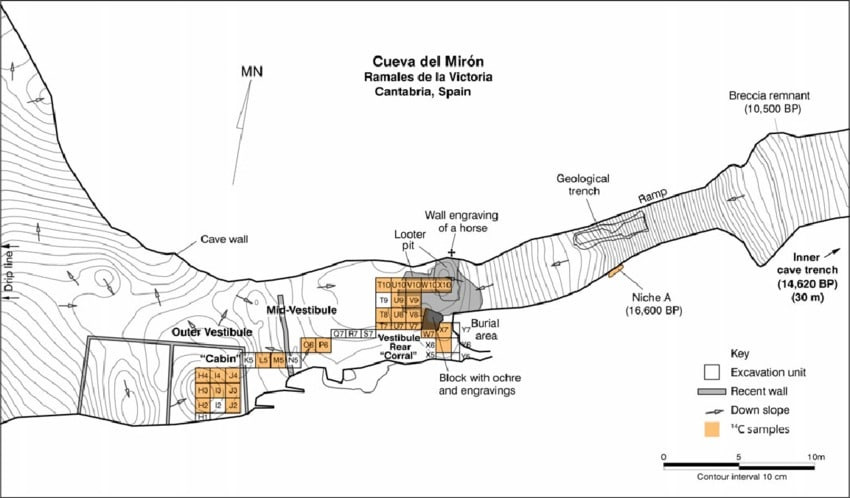
Crucially, the cave captures the significant shift to agriculture. Studies from the University of New Mexico revealed Neolithic strata with the earliest evidence of wheat farming, domesticated animals, and pottery in northern Atlantic Spain, dating back about 6,500 years. Subsequents layers unveiled storage pits and early metalwork artifacts such as a copper awl.
“El Mirón is what we call in archaeology, a persistent place, a site where people have lived and done a wide variety of activities, repeatedly for over 40,000 years,” as Lawrence Straus of the University of New Mexico explained.
The Cave’s Most Iconic Discovery: The Red Lady
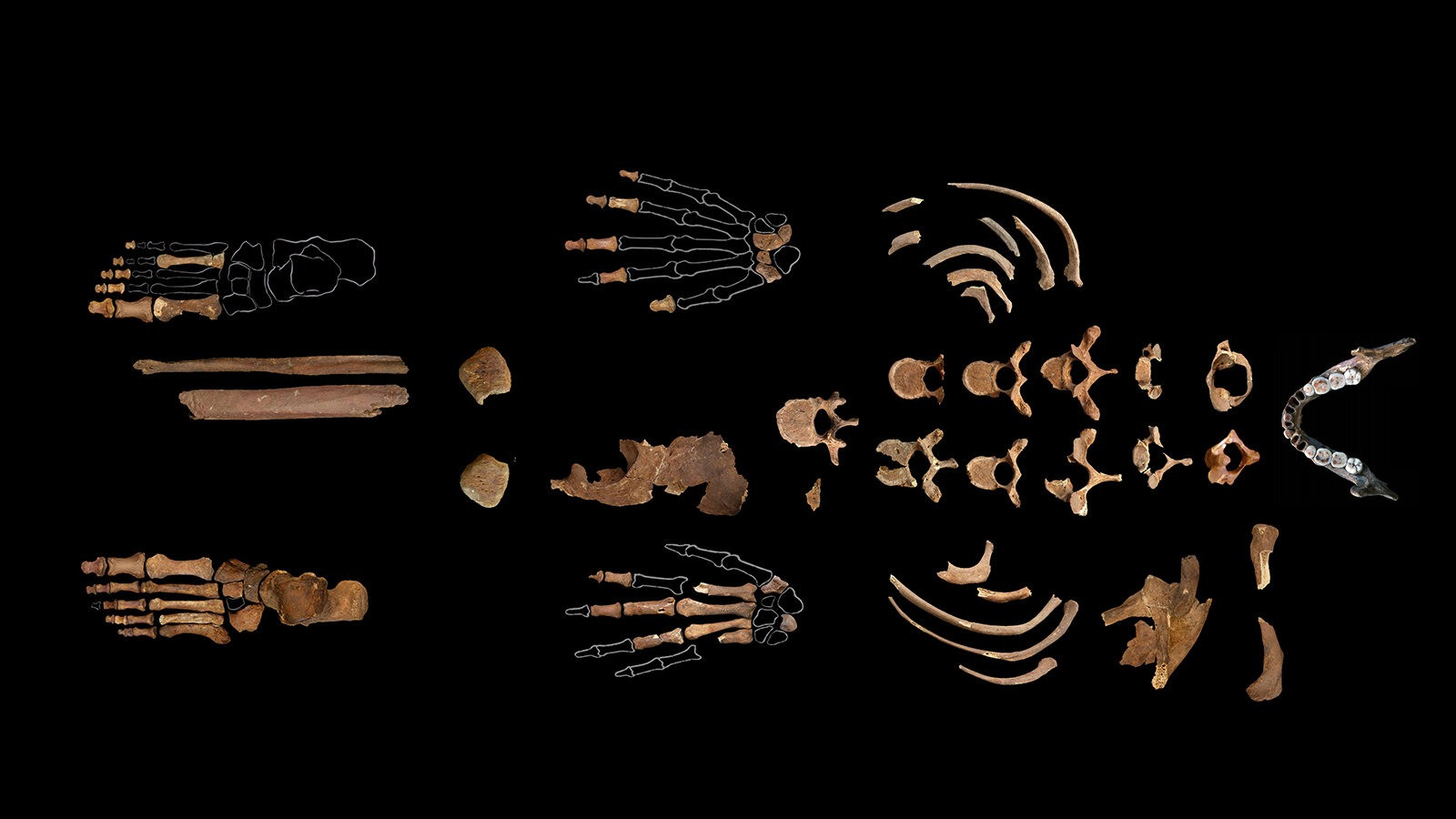
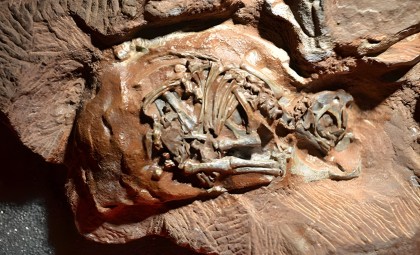
Among the many remarkable finds at El Mirón, one discovery stands out above all. In 2010, archaeologists unearthed the fragmentary skeleton of a woman buried approximately 19,000 years ago during the Magdalenian era. Dubbed the Red Lady of El Mirón, her name refers to the red ochre coating both her bones and the surrounding sediment.
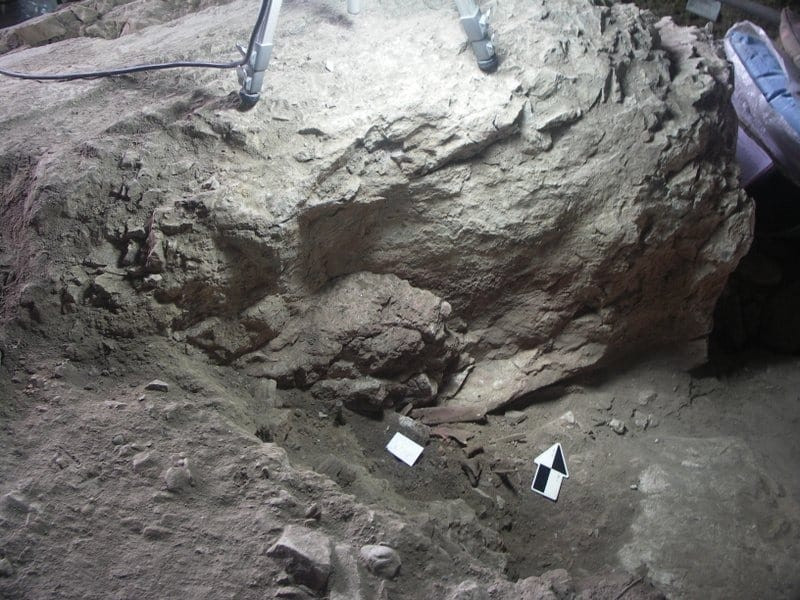
The burial was discovered behind a large stone slab that had fallen from the cave’s ceiling long ago. This engraved block, once fully excavated, revealed a finely etched V-shaped pattern made up of many intricate lines.
“After the discovery of the first human bones, including the mandible and a tibia, as we continued to dig in the SE corner of the vestibule rear, we always knew when we were in the burial layer,” Straus recalled. “It is bright red and sparkles with hematite crystals.”
Further analysis determined the ochre pigment originated from a deposit approximately 25 kilometers away near the Cantabrian coastline. Researchers believe this pigment was intentionally brought to the site prior to the burial ceremony.
Advanced Methods Uncover New Insights
This site’s narrative is also a testament to how contemporary scientific advancements have deepened our knowledge. Genetic material extracted from the Red Lady linked her to hunter-gatherer groups such as Goyet, Fournol, and Villabruna.
“El Mirón has turned out to be a treasure trove of ancient genetic information,” Straus said. “The DNA extracted from the Red Lady by Nobel Prize winner, Svante Pääbo of the Max Planck Institute in Germany, has changed our understanding of Ice Age European populations,” Straus said.
Genetic findings suggested she possessed dark skin, dark hair, and dark eyes. Researchers estimate her age at death was between 35 and 40 years. Additional examinations of her teeth revealed dental plaque harboring traces of varied foods such as terrestrial animals, seafood, seeds, plants, and fungi. This plaque also contained ancient bacteria enduring thousands of years.
Over time, incorporating methods like sediment DNA extraction and stable isotope analysis, alongside traditional archaeology, has transformed El Mirón into one of Europe’s richest repositories of prehistoric human activity.
- Categories:
- Science



0 comments
Sign in to Comment