
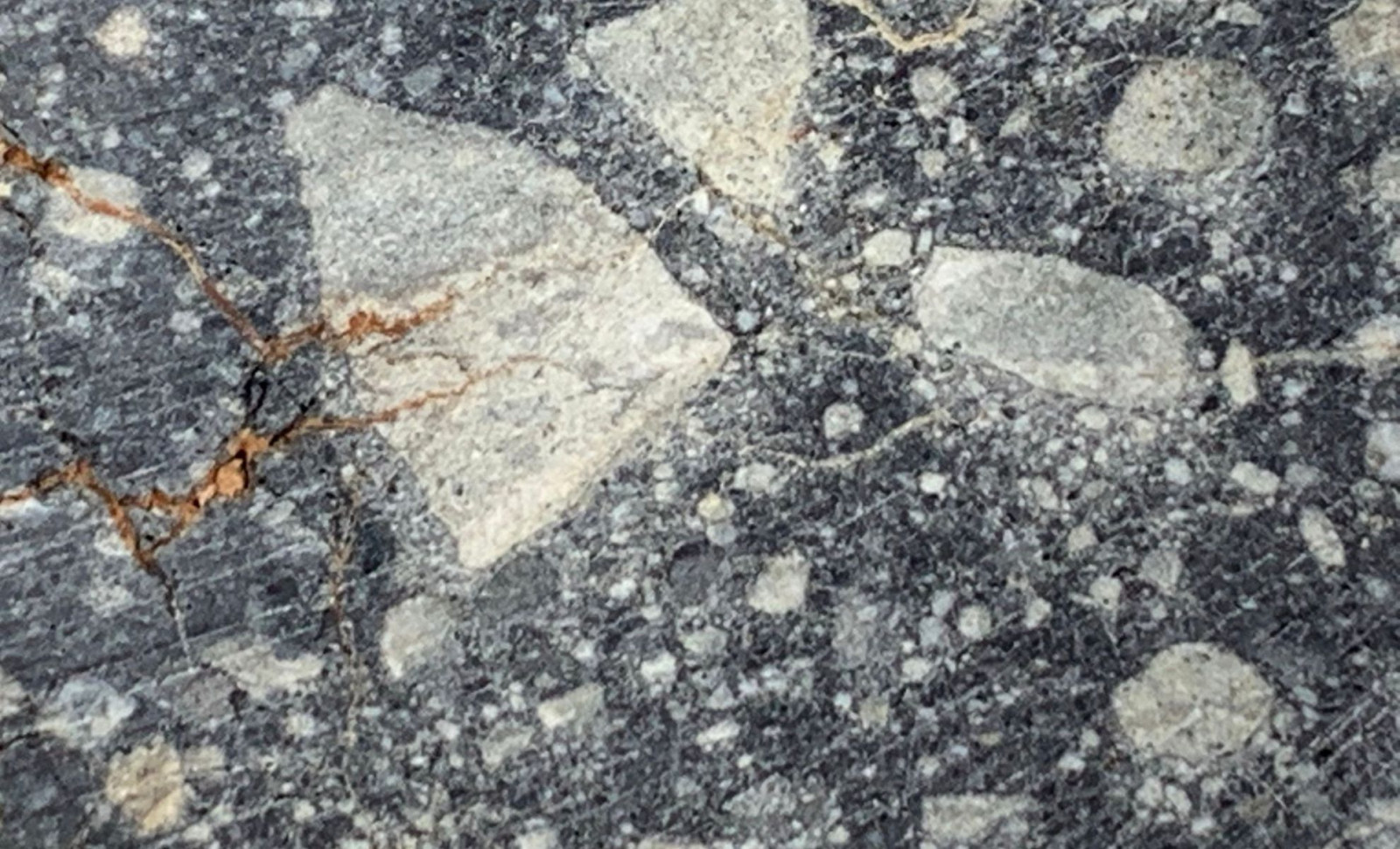
Researchers have analyzed a tiny meteorite discovered in northwest Africa, unlocking a rare window into one of the Moon’s most violent impact events. Named Northwest Africa 12593, this lunar fragment captures evidence of a colossal collision that occurred around 3.5 billion years ago, coinciding with the dawn of life on Earth.
Often viewed as a time capsule, the Moon’s surface withstands weathering, water erosion, and tectonic motions that erase Earth's ancient marks. This allows lunar rocks to retain relics of historic events long lost on our planet.
The significance of Northwest Africa 12593 lies in its preserved impact history. Scientists have pieced together a timeline of collisions embedded within the rock, revealing the intensity of this turbulent era in the early solar system’s evolution. Their work appears in the journal Geology.

Chronicle of Multiple Impact Events Recorded in a Single Meteorite
Analysis shows the meteorite encapsulates records of three distinct impact events spanning billions of years. According to the study published in Geology, the earliest impact occurred about 3.5 billion years ago. Radiometric methods were used to date this event, making it one of the rare surviving imprints from that ancient epoch.
This impact was formidable, powerful enough to melt the lunar surface, resulting in a broad layer of molten material. Subsequently, a later collision fragmented and amalgamated various rock bits, producing a geological formation known as breccia. Carolyn Crow, a planetary scientist from the University of Colorado Boulder, likened the texture to that of concrete.
“You would see all these little rocks, and then it’s fused together by the cement,” she explained. In this case, the fragments were fused together by the impact process itself.
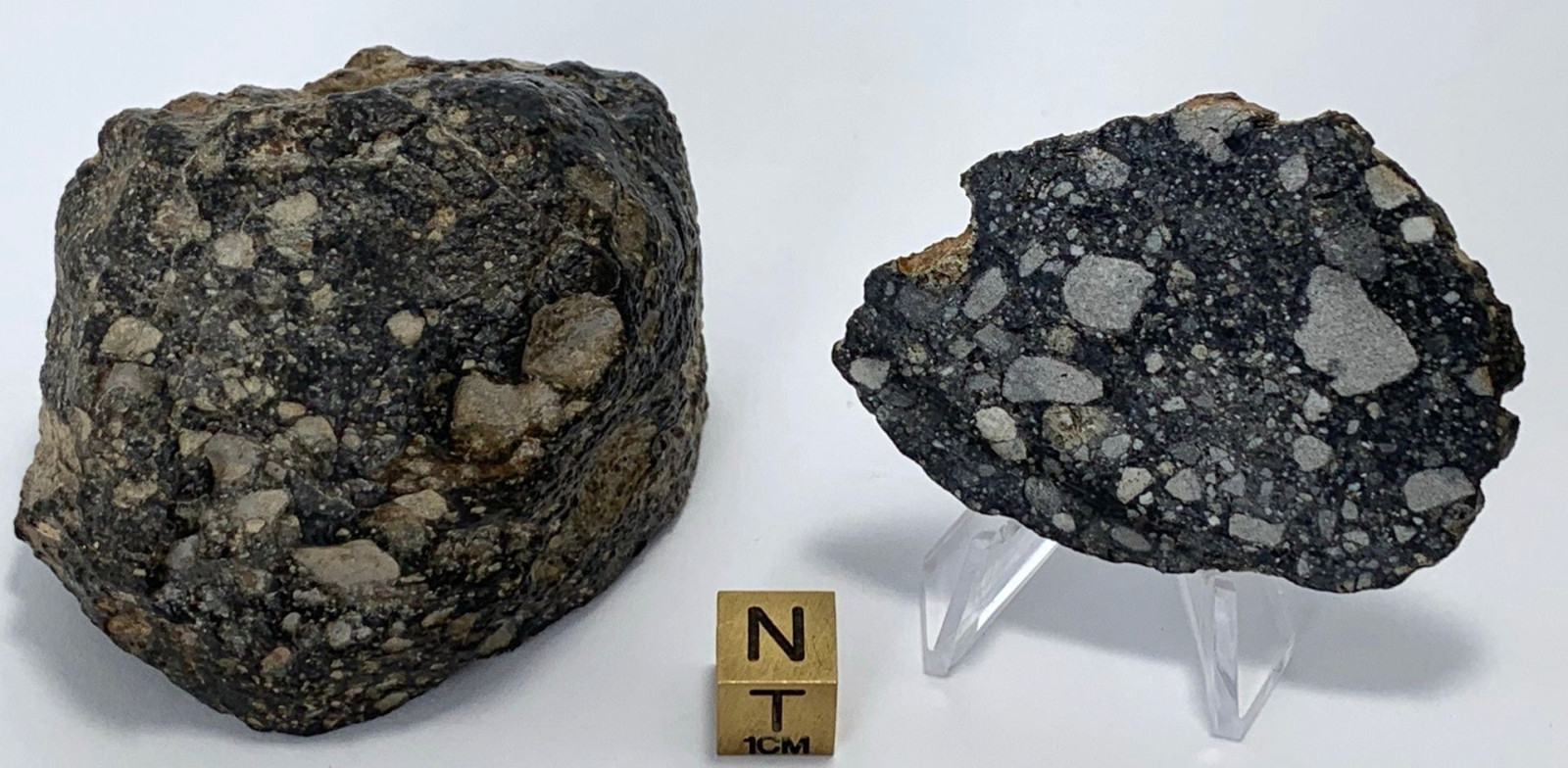
The meteorite’s journey culminated much later, when a subsequent collision ejected it from the Moon, setting it on a trajectory through space before it finally fell to Earth.
Evidence of Intense Heat Embedded in an Ancient Space Rock
Key evidence emerged from characteristic signs of cubic zirconia, a mineral formed only under extraordinarily high temperatures. While popularly known as a diamond alternative in jewelry, here it acts as a geological indicator.
Researchers explained that although the cubic zirconia itself did not endure inside the meteorite, it left behind unique chemical traces after decomposing and restructuring. These remnants testify that the impact generated heat sufficient to melt parts of the Moon’s crust .
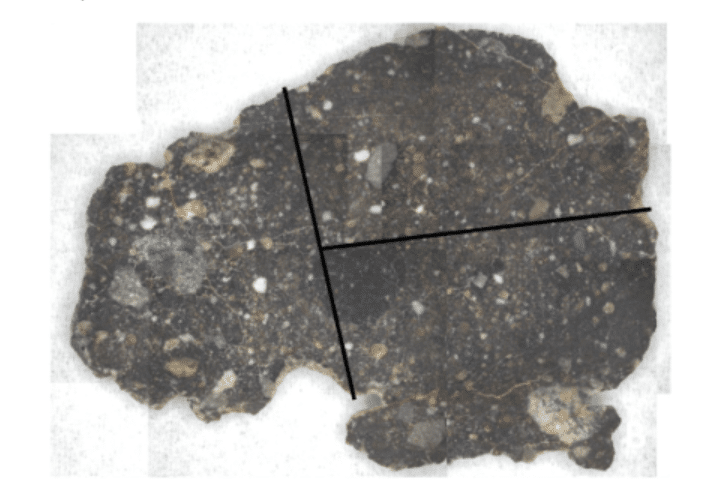
This breakthrough allows scientists to estimate the magnitude of the ancient impact and better understand how such cataclysmic events reshaped the lunar landscape during its formative years.
Connecting Lunar, Terrestrial, and Asteroidal Impact Events
The timing of this discovery is particularly remarkable. The 3.5-billion-year-old impact aligns with evidence of significant collisions recorded on Earth and Vesta, a major asteroid in the belt. Such synchronized records across these three celestial bodies are uncommon.
“It’s not very common, which is why we’re very excited about it,” Crow noted. “It’s pretty rare to have all three records line up like this.”
Uncovering these links is vital for reconstructing conditions across the inner solar system during that era. This period coincides with some of the earliest traces of terrestrial life.
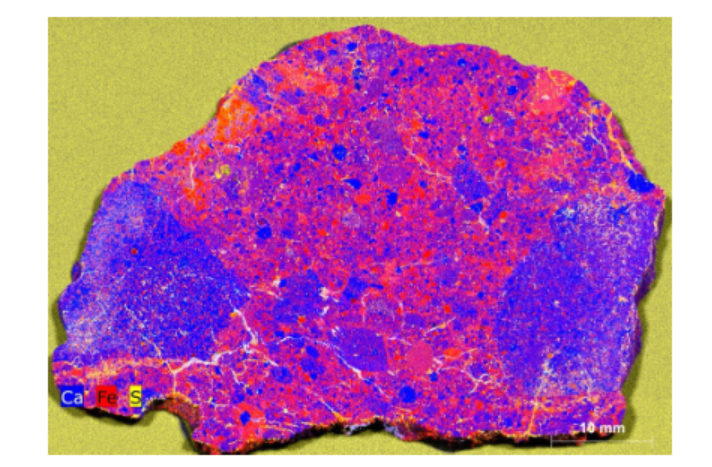
“It is important for understanding how life is taking hold, how life is emerging. The cadence of these catastrophic events is an important part of the equation,” he added.
This research also highlights the growing importance of lunar meteorites. Unlike samples retrieved during missions such as Apollo, Luna, and Chang’e, which came from predetermined lunar sites, these meteorites may hail from unexplored regions of the Moon.
- Categories:
- Science



0 comments
Sign in to Comment