
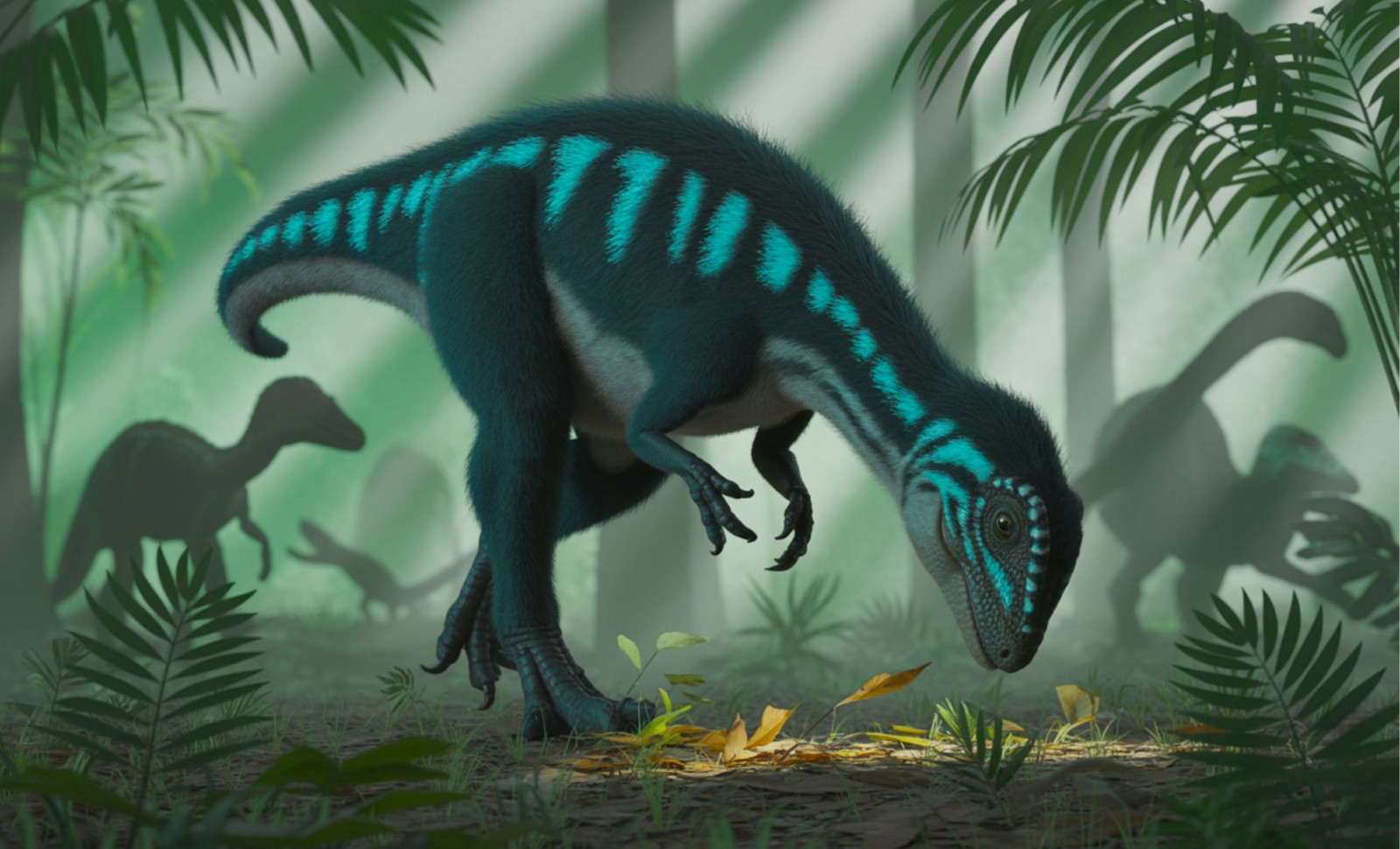
In the secluded regions of northern Spain, a diminutive fossil discovery has ignited widespread interest among paleontologists. Excavated from an area famed for its distinctive Cretaceous-era species, the find’s significance surpasses its modest size.
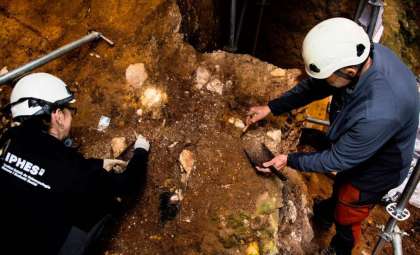
The fossil, retrieved from stratified deposits near Burgos, underwent investigation starting several years ago. However, comprehensive morphological and evolutionary studies by an international research team have only now unveiled its detailed findings.
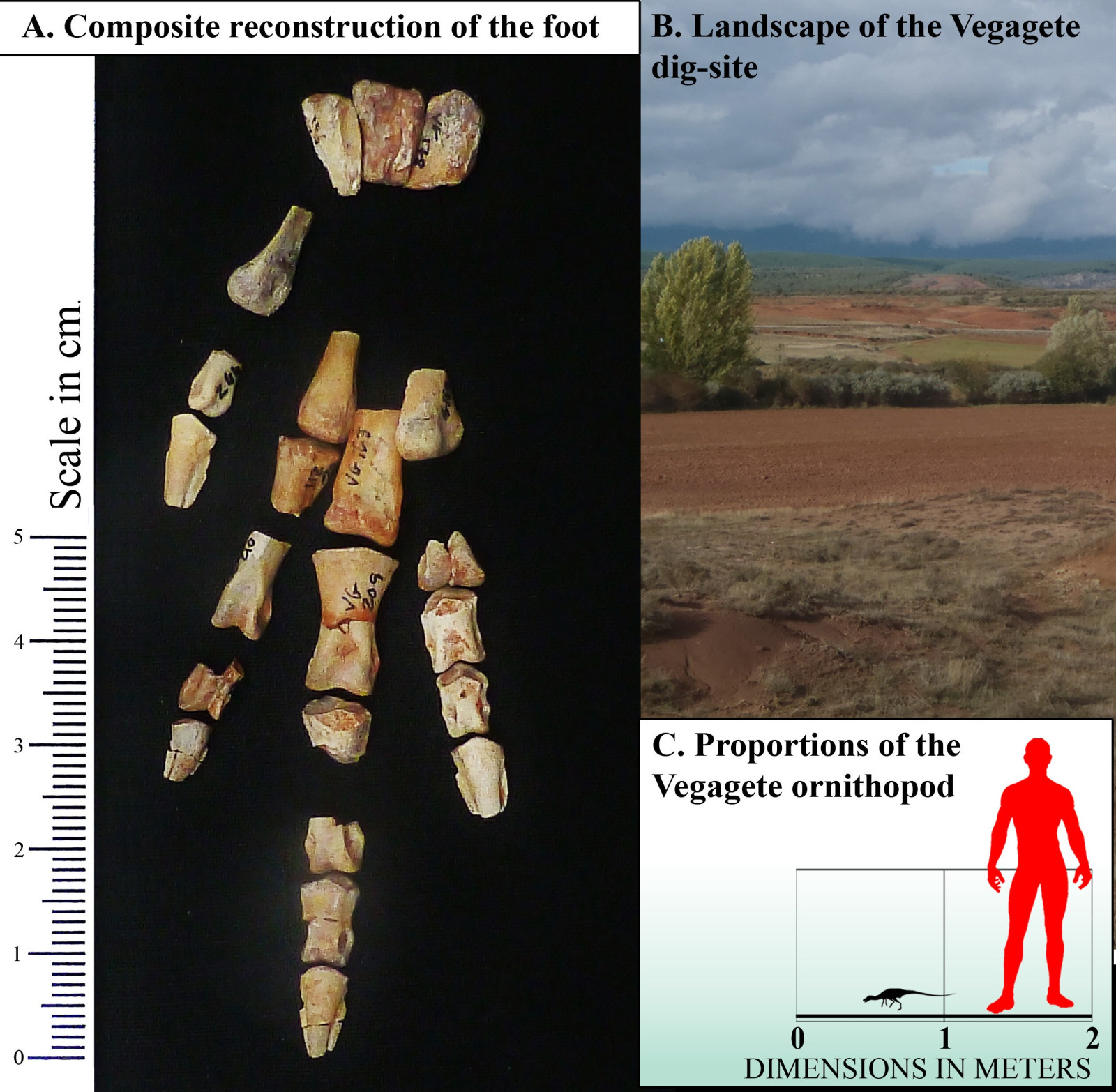
This specimen is not remarkable in stature; it measures roughly the size of a house cat, with partial remains including segments of the skull and backbone. Despite the fragmentary nature, the characteristics embedded in these fragments challenge previously held ideas about the early diversification of plant-eating dinosaurs in the European continent.

Published in a peer-reviewed paper in the Journal of Systematic Palaeontology, the new species has been designated as Foskeia pelendonum. Experts stress the discovery’s importance stems from its temporal placement rather than its physical scale.
Evidence Indicates Earlier Origin of Rhabdodontomorph Dinosaurs
The fossils were uncovered in Barremian-aged geological layers, dating back around 130 million years, which precedes the previously established timeline for the dinosaur family it belongs to—rhabdodontomorpha. This cluster of small to medium-sized herbivorous dinosaurs was conventionally associated with the Late Cretaceous period.
Foskeia pelendonum is now recognized as the earliest documented member of this group, identified through distinctive cranial and mandibular traits, such as fused skull bones and unique dental patterns, setting it apart from close relatives like iguanodontians.
As reported by Phys.org, the research team highlighted how Foskeia challenges existing perspectives on the evolutionary timeline of European ornithopods. Comparative studies link this dinosaur more closely with Late Cretaceous rhabdodontids like Rhabdodon, rather than the earlier, more generalized herbivore fossils typically found in Early Cretaceous strata.
The creature’s small size coupled with its sophisticated skull features opens new avenues of inquiry regarding early ecological roles and regional species differentiation significantly ahead of prior estimates.
Reevaluating Europe's Dinosaur Biodiversity in the Early Cretaceous
Traditionally, scientists believed that Europe’s Early Cretaceous herbivore communities were dominated by generalists, with major evolutionary diversifications arising later alongside significant tectonic and climate changes. The appearance of Foskeia adds nuance to this evolutionary backdrop.
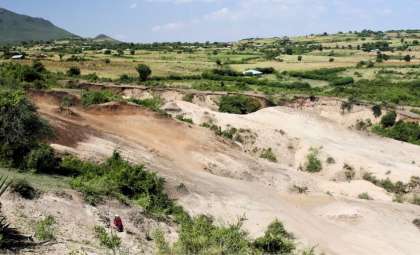
The Vegagete fossil site, where this specimen was uncovered, corresponds to sediment deposits from a warm, humid floodplain environment. Besides Foskeia, fossils of small mammals, turtles, and crocodyliforms have been found, indicating a rich and possibly semi-isolated ecosystem.
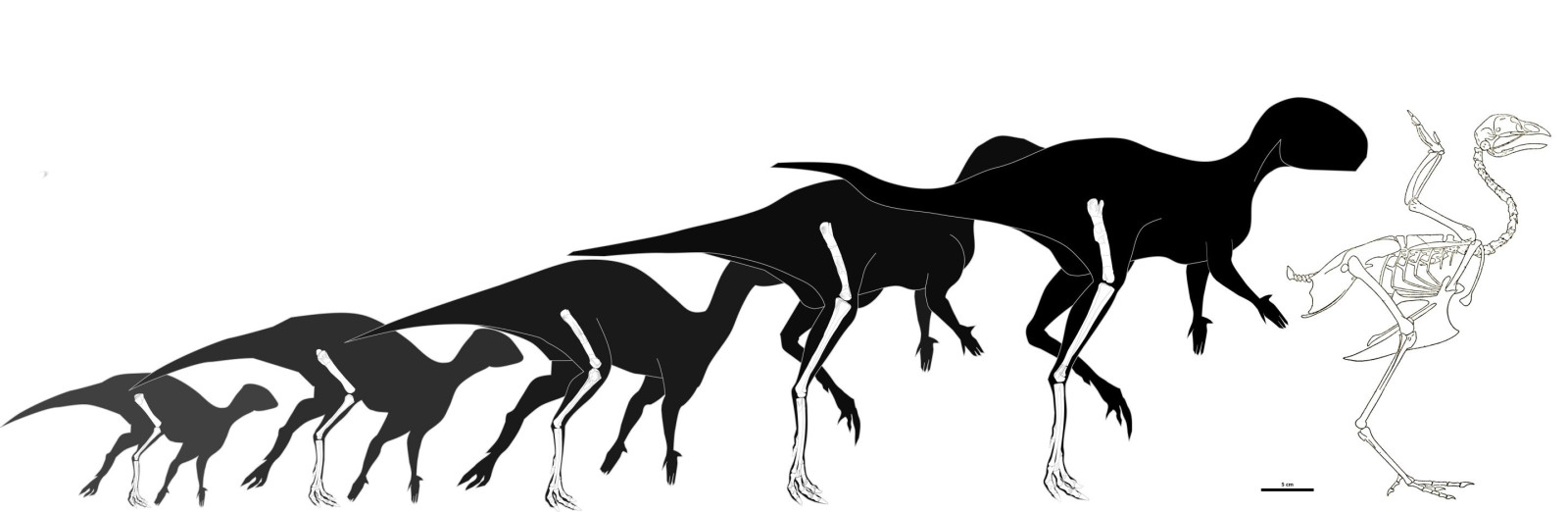
Such an environment may have driven evolutionary pressures favoring smaller body masses and specialized diets. Despite the patchy fossil record from this era, preserved anatomical details in Foskeia —including ridged dentition and a narrowed skull shape—point to advanced feeding techniques. These are features usually linked with dinosaurs from later periods of the Cretaceous, reinforcing the concept that significant evolutionary changes occurred sooner and over a wider area than formerly assumed.
Further insights into the site’s environment and fauna are available in this statement from Vrije Universiteit Brussel, which collaborated on phylogenetic analyses and ongoing research.
Fragmentary Fossil Yet Important Evolutionary Evidence
Although the fossil remains are incomplete and only some postcranial bones were found, the preserved skull fragments provide crucial clues about the species’ adaptations and its place in dinosaur evolution. The research team notes that additional fossils will be vital to determine if Foskeia represents a distinct localized lineage or evidence of an earlier widespread diversification event within its group.
The international scientific team includes experts from Spain and Belgium, who plan continued excavation efforts at Vegagete. Fieldwork slated for 2026 aims to explore adjacent sediment layers sharing the same age and depositional features.
The study’s methodology featured an extensive cladistic matrix comparing Foskeia with known European and Asian ornithopods. While some traits could be attributed to convergent evolutionary paths, the majority of cranial characteristics firmly classify the dinosaur within rhabdodontomorpha, effectively extending the known timeline of this lineage further back into the Mesozoic Era.
- Categories:
- Science


0 comments
Sign in to Comment