
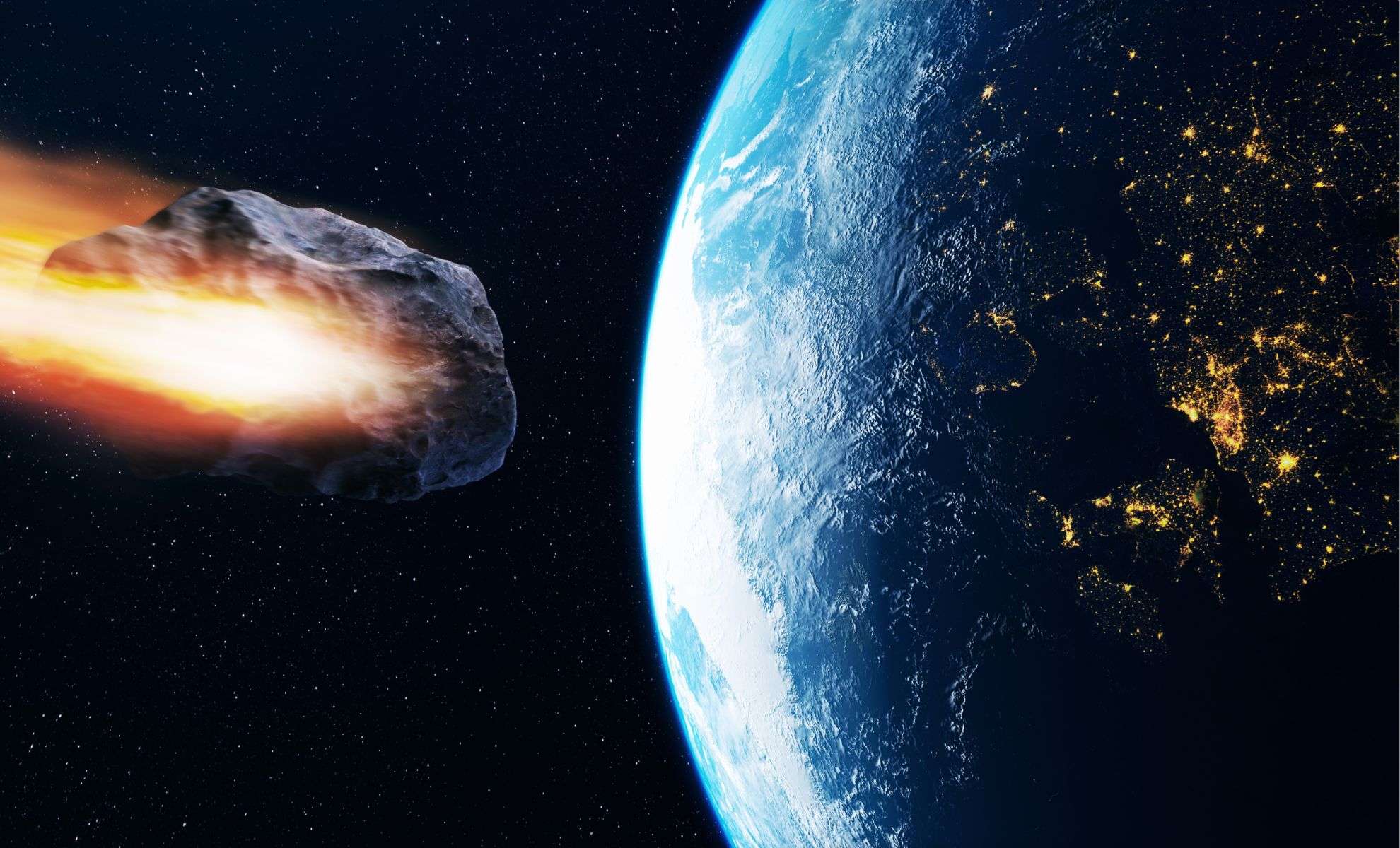
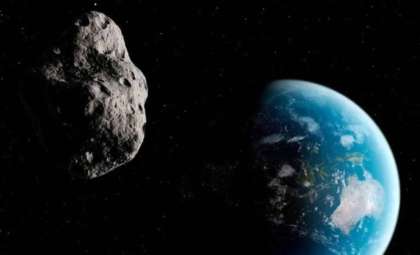
Relief spread through the community of space watchers when it was confirmed that the enormous object detected was not a menacing asteroid.
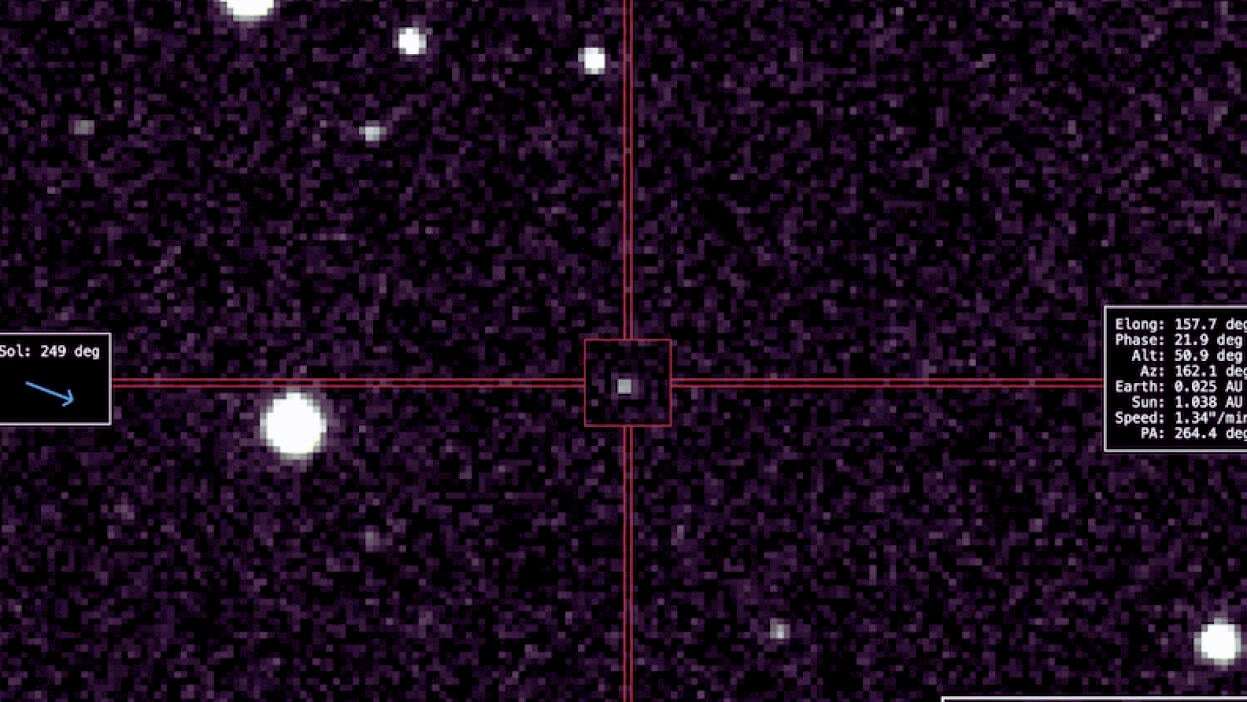
ESA’s Juice Spacecraft Mistaken for a Dangerous Near-Earth Object
On July 6, the European Space Agency (ESA) was alerted by its automated sky monitoring systems about a large object moving rapidly towards Earth.

This object measured about 164 feet (49.99 m) in diameter and appeared to be on a collision course passing close to the Moon and Earth. However, concerns quickly eased as it turned out the object was not an asteroid but ESA’s very own Juice spacecraft.
Initially tagged as a potential hazard by ESA’s automated detection system, the object's brightness and apparent size suggested a substantial asteroid. Yet, further investigations clarified the identity of the object.
The target was actually the Jupiter Icy Moons Explorer (Juice), a spacecraft en route to study the icy moons of Jupiter, using a gravity assist maneuver during its Earth flyby to boost its trajectory deeper into the solar system.
Though smaller than originally estimated, Juice is still a large spacecraft, sporting impressive solar panel spans around 88 feet (26.82 m) that reflected sunlight strongly enough to fool ESA’s alert algorithms into overestimating its size and labeling it as a potentially dangerous asteroid.
Is it an asteroid? Is it a comet? No! It’s @ESA_JUICE! Juice was briefly mistaken for a new potentially hazardous asteroid as it races towards Earth for next week’s double flyby. Fortunately, experts have confirmed that Juice poses no risk to our planet😉https://t.co/lGMBfT4hHA pic.twitter.com/FaDjKTPBmh
— ESA Operations (@esaoperations) August 15, 2024
Advanced Systems for Early Detection of Space Hazards
Cutting-edge monitoring networks such as NASA’s Asteroid Terrestrial-impact Last Alert System (ATLAS) play a crucial role in spotting near-Earth objects (NEOs) that could pose dangers well in advance.
Being able to predict potential impacts provides essential time for preparations or preventative measures, potentially saving lives. Eric Christensen, head of the Catalina Sky Survey, highlights the necessity: “Knowing what object is arriving, its arrival time, and impact energy is vital.” Fortunately, occurrences of threat-worthy asteroids remain rare, with ESA confirming no known asteroids poised to collide with Earth within the next century.
The Genuine Threats from Cosmic Debris
Though ESA’s Juice spacecraft was a false alarm, real dangers from asteroids and debris orbiting in space persist. Earth continuously encounters space particles, primarily harmless, such as the approximate 100 tons of dust and grains that vaporize daily in the atmosphere.
More worrisome are sporadic but impactful events, like the 2013 Chelyabinsk incident over Russia, when an unanticipated asteroid roughly 56 feet (17.07 m) wide detonated midair, causing injuries and damage.
Asteroids around 460 feet (140 meters) across hit Earth every 10,000 to 20,000 years, while extremely destructive planet-wide impacts, including the one responsible for the dinosaurs’ extinction, occur on timescales of about 100 million years.
Though major collisions are rare, consistent surveillance by global space agencies ensures timely awareness, as even smaller impactors can trigger serious consequences.
This Juice misidentification underscores the vital nature of vigilant observation, both to distinguish spacecraft from threats and to detect authentic cosmic hazards.







0 comments
Sign in to Comment