
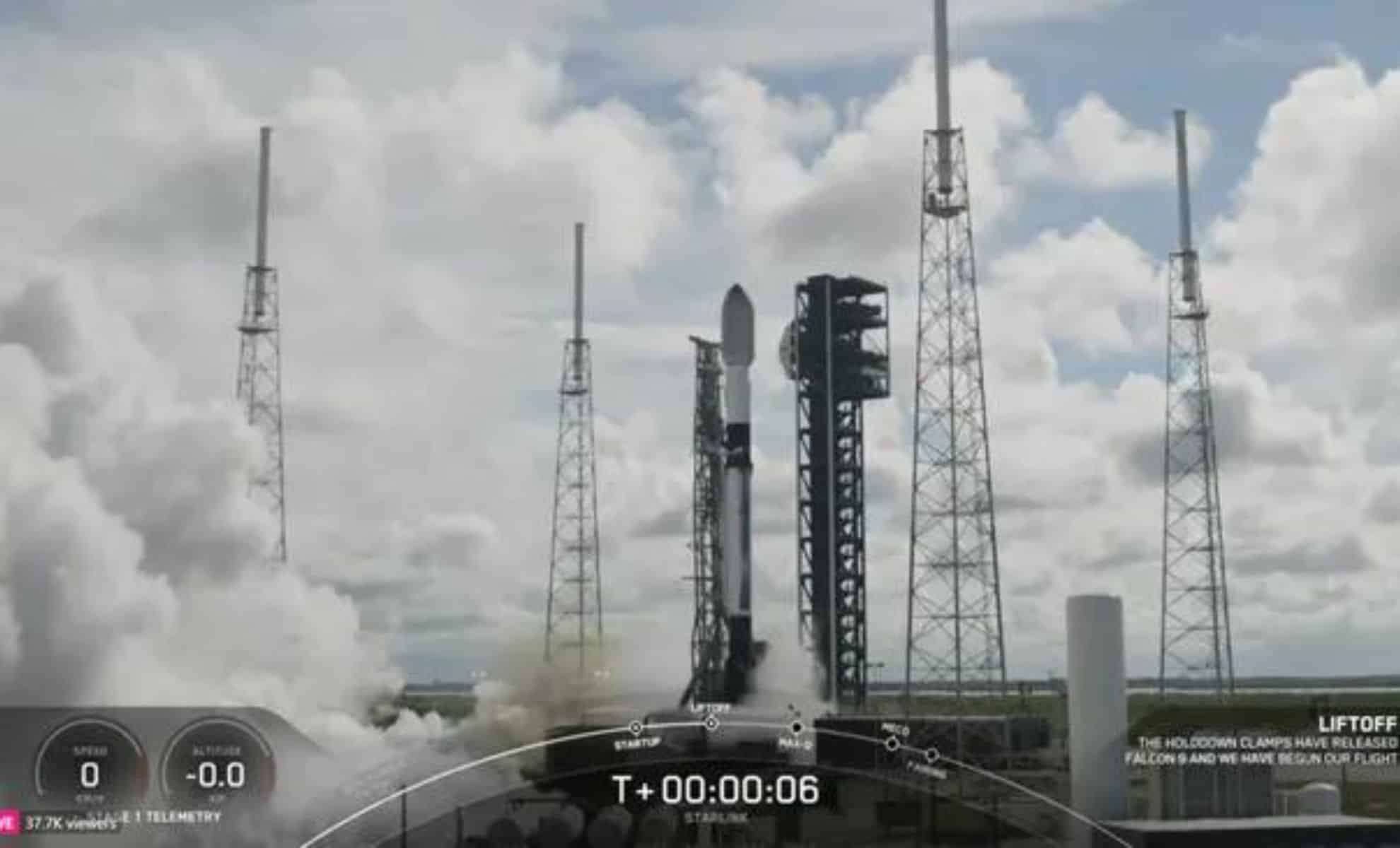
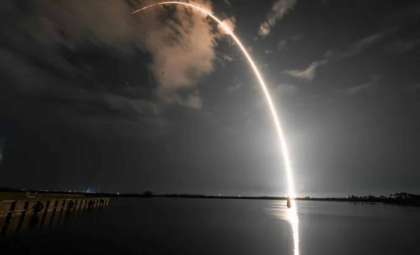
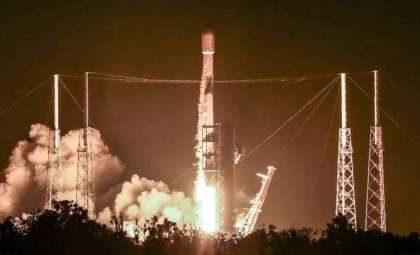
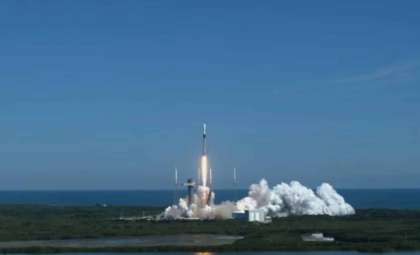
On June 14, 2024, a SpaceX Falcon 9 rocket aborted its ignition sequence during liftoff preparation at Cape Canaveral Space Force Station. The mission was planned to release 22 Starlink internet satellites into orbit.
The launch was stopped at 5:07 p.m. EDT, an uncommon event for SpaceX, known for its dependable and frequent launches. The shutdown occurred as the rocket’s nine first-stage engines were starting, causing the countdown to halt and raising questions about the technical difficulties involved.
Cause Unknown, New Launch Date Pending
The precise reason for the launch abort remains undisclosed, as SpaceX has not provided detailed information. During the live broadcast on X (formerly Twitter), a SpaceX commentator confirmed the hold by announcing, “Abort, we have an abort,” abruptly stopping the sequence.

Watch Falcon 9 launch 22 @Starlink satellites to orbit https://t.co/1tRrN4jDLm
— SpaceX (@SpaceX) June 14, 2024
In a short update, the company stated they were "standing down" and will announce a new launch schedule when available. Another opportunity to launch is slated for June 15, beginning at 4:07 p.m. EDT. The mission had already been delayed twice by weather concerns on June 12 and June 13, increasing tensions around the attempt.
The underlying technical issue driving the abort will dictate how soon engineers can proceed with another launch attempt. A thorough examination will be necessary to prevent any recurrence.
Details on the Mission and Booster
This flight marks SpaceX’s 60th launch of 2024, employing a Falcon 9 first-stage booster with 15 prior flights. This booster boasts a proven history supporting payloads including SES-22, ispace’s HAKUTO-R MISSION 1, Amazonas-6, CRS-27, Bandwagon-1, and 10 past Starlink deployments.
The Falcon 9 vehicle remains integral to SpaceX’s launch strategy, prized for its cost effectiveness and reusability. This booster is expected to return to a SpaceX drone ship at sea for recovery and reuse, exemplifying the company’s focus on sustainable space operations.
Currently, the Starlink network holds nearly 6,100 active satellites, broadening worldwide internet accessibility. This year, 45 of SpaceX’s close to 60 missions have supported Starlink, underscoring its critical role in the company’s portfolio.
Starlink Launch Delayed Again
SpaceX’s attempt to launch the Starlink 10-2 mission was called off moments after engine ignition, marking the mission’s third delay due to technical and weather-related challenges.
The anticipated 5:07 p.m. EDT launch was suddenly scrapped, reflecting the difficulties even seasoned operators confront in spaceflight.
Each delay demands extensive coordination and reset processes in the intricate launch sequence. This Falcon 9 was to deploy a set of 22 Starlink satellites destined to enhance global high-speed internet access, especially in remote regions.
Impact of Weather and Upcoming Attempts
Weather conditions have been a key factor influencing these delays. The Space Force’s 45th Weather Squadron forecast indicated a 30% to 70% chance of good weather during the window, affected by various cloud formations.
Earlier postponements were caused by unfavorable weather, underscoring the delicate coordination needed between ideal launch conditions and unpredictable atmospheric changes.
Forecasts suggest improving conditions as the launch window progresses, boosting hopes for a successful liftoff if technical concerns are resolved in time. SpaceX’s ability to adapt to such setbacks highlights its operational resilience and dedication to mission achievement.
Importance of This Launch
This flight is notable as the 16th mission for this Falcon 9 booster and plays a part in expanding SpaceX’s ambitious Starlink project, designed to deliver global broadband.
Starlink’s objective is to establish a worldwide internet service infrastructure reaching even the most isolated locations. Despite the aborted attempt, SpaceX is progressing impressively, averaging a launch every 2.7 days this year.
This high tempo reflects SpaceX’s advanced capabilities and dedication to space exploration. Each mission not only grows the Starlink network but also offers insights that help refine SpaceX’s technology and operational methods.
- Categories:
- Astronomy ,
- News ,
- Space ,
- Aircraft





0 comments
Sign in to Comment