
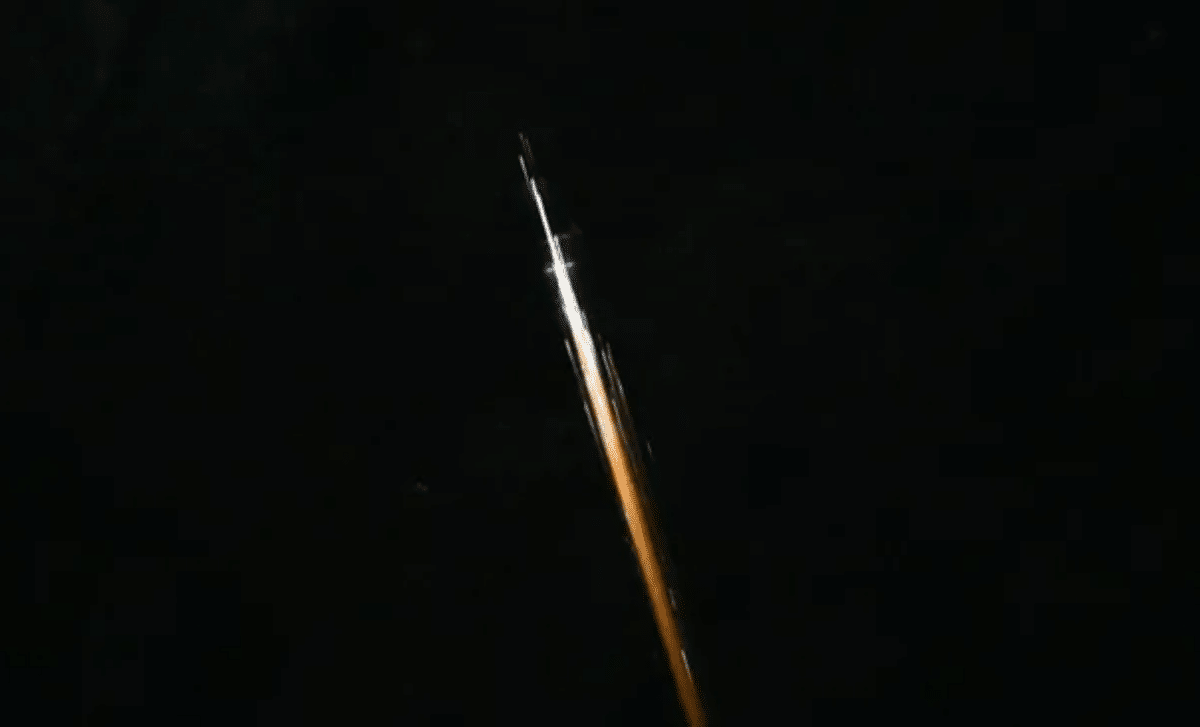
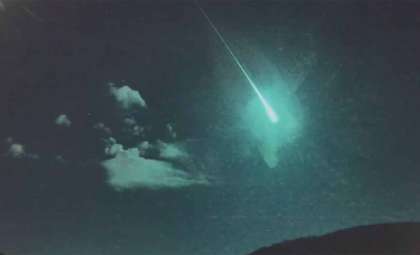
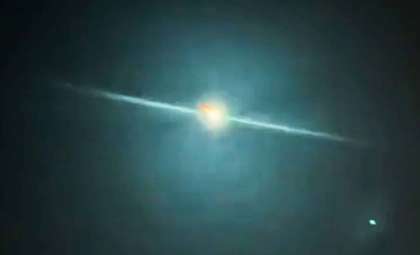
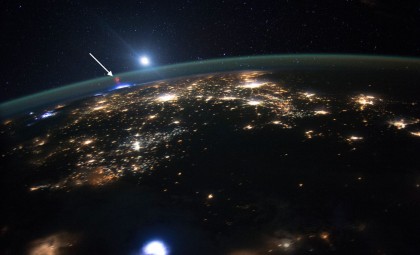
In a captivating display witnessed from space, NASA astronaut Chris Williams captured an extraordinary fireball event from the International Space Station (ISS). This spectacular light show is believed to result from the atmospheric reentry of discarded rocket components following a recent mission.
Observing a Rare Atmospheric Phenomenon from Space
Orbiting approximately 250 miles above Earth, ISS crew members enjoy unparalleled views of our planet. On this occasion, Chris Williams focused his gaze downward, capturing a blazing streak cutting across the upper atmosphere. The high-speed object materialized abruptly, leaving a bright, trailing glow that amplified as it descended. Viewing the event from space allowed for a prolonged observation of its brightness changes, fragmentation, and trajectory—details often missed from terrestrial vantage points.
The Cupola module, featuring expansive panoramic windows, offered an ideal viewpoint to witness this unplanned phenomenon. Beyond being visually striking, the event provided valuable insight into the behavior of objects accelerating through atmospheric resistance. Observed from above, the fireball’s fragmentation and luminous evolution exposed characteristics that are usually hidden when seen from the surface.

Chris Williams Provides a Vivid Eyewitness Report
The astronaut’s detailed recounting sheds light on the event’s significance and the physical dynamics involved. Williams shared his experience, emphasizing both the spectacle and scientific interest it inspired.
“On April 27th at about 10:40 PM GMT, I was in the @Space_Station Cupola and saw something really neat.I was scanning the sky to try to catch a glimpse of the approaching Progress MS-34 vehicle bringing new supplies,” Williams said via X on Thursday (April 30), in a post that featured three photos and a short video.
“Just as we were passing over West Africa, I saw a bright object directly below us, streaking through the upper atmosphere,” he added. “I saw its tail grow and then split apart into a shower of smaller pieces. I think it must have been some piece of orbital debris or a satellite breaking up as it entered the atmosphere. It was quite a light show!”
On April 27th at about 10:40 PM GMT, I was in the @Space_Station Cupola and saw something really neat. I was scanning the sky to try to catch a glimpse of the approaching Progress MS-34 vehicle bringing new supplies. Just as we were passing over West Africa, I saw a bright… pic.twitter.com/5hgtCnC6XB
— Chris Williams (@Astro_ChrisW) April 30, 2026
Link to the Progress MS-34 Cargo Mission
The event’s timing and trajectory strongly align with the reentry of the upper stage from the Progress MS-34 (Progress 95) mission. This cargo spacecraft, launched by a Soyuz rocket, delivered vital supplies to the ISS. Following mission completion, the rocket’s upper stage entered the atmosphere and burned up, producing the brilliant fireball.
Typically, these reentries are targeted over sparsely populated regions to minimize risk. Although such occurrences are routine in spaceflight, observing one so clearly from Earth orbit is uncommon. This event transformed an ordinary mission operation into an impressive aviation spectacle, highlighting the interaction between artificial objects and Earth's atmosphere.
Everyday Life and Scientific Work Aboard the ISS
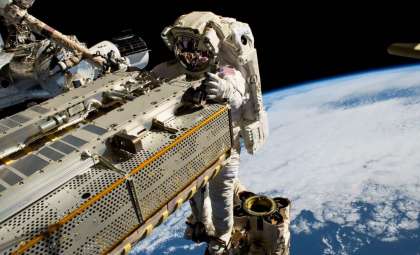
Chris Williams is currently undertaking his inaugural long-duration stay on the ISS, having arrived on November 27 along with cosmonauts Sergey Kud-Sverchkov and Sergei Mikaev. They share the station with members of SpaceX’s Crew-12 mission, including Jessica Meir, Jack Hathaway, Sophie Adenot, and Andrey Fedyaev. Life on the ISS involves a combination of scientific experiments, station upkeep, and constant monitoring of Earth and space phenomena.
Events like the fireball on April 27 exemplify how everyday duties can coincide with extraordinary happenings. The orbital perspective enables astronauts to observe natural and human-made atmospheric phenomena over wide areas, adding valuable data and imagery that complement observations made from the ground. The Cupola window remains essential for these observations and dynamic documentation of fleeting atmospheric events.
- Categories:
- Space





0 comments
Sign in to Comment